
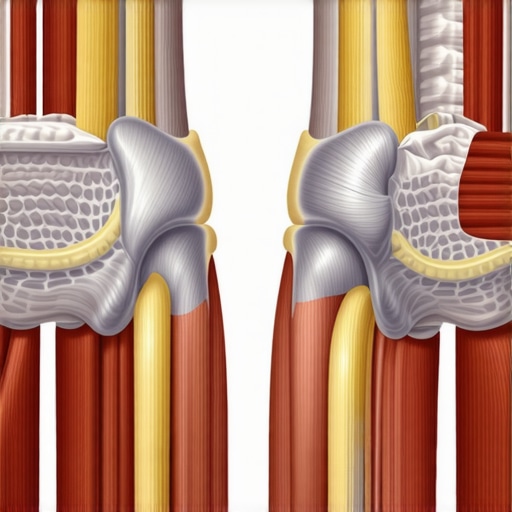
I remember the moment vividly: I was mid-sentence, trying to stand up after sitting for hours, and suddenly, I felt that familiar tightness in my left hip. It was like a stubborn knot that refused to loosen, tugging at my confidence in my posture every time I moved. Frustrating, right? That little discomfort can become a persistent nag, affecting everything from your walking gait to your ability to sit comfortably for long periods.
Deciphering the Mystery: Why the Left Hip Tightness Persists
It’s a common scenario I hear about from clients and friends alike. The odd thing? Many of us notice that our left hip is consistently more stiff or tight than the right, and for good reasons. Our daily habits—like leaning towards one side when we sit, favoring a leg when standing, or even subconscious patterns while walking—can create muscular imbalances over time. These imbalances lead to one side tightening up, while the other remains more flexible.
What’s even more intriguing is how this imbalance can sneak into our body unnoticed. Early on, I made the mistake of ignoring these subtle hints, thinking they’d fade away. Spoiler alert: they didn’t. Instead, they worsened, prompting me to dig deeper into mobility and posture techniques. That’s when I discovered that targeted adjustments and daily mobility drills can make a real difference. Curious about how to target these elusive tight spots? Keep reading.
Is Fixing Hip Imbalance Overhyped or Actually Worth It?
Initially, I doubted if simple mobility exercises could truly ease years of muscular tightness. I had to learn the hard way that quick fixes rarely deliver lasting results. The true value lies in consistent, mindful movements—something I discuss thoroughly in the article on [mobility boosts for posture](https://quackersneck.com/mobility-boosts-for-posture-expert-tips-for-daily-adjustments). By embracing these strategies, I slowly regained my range of motion and reduced discomfort.
If you’ve noticed that your left hip feels tighter than your right for quite some time, you’re not alone. The good news? There’s a practical way to address this imbalance, and I’ll guide you through it. But first, let’s understand what causes this disparity and how calling it out is the first step toward relief. Ready to take control of your posture? Let’s dive in.
Start with Gentle Mobilization
Begin each session by lightly moving your hips through full ranges of motion to loosen tight muscles. A simple hip circle exercise, where you rotate your hip in a controlled circular motion, mimics a lube job for your joints, reducing stiffness and increasing blood flow. I personally tried this after a long workday, and although my initial movements felt clunky, over a week, I noticed my hip was less stiff and more responsive.
Incorporate Hip Flexor Stretches Correctly
Target tight hip flexors with low-impact stretches like the kneeling lunge. Imagine your body as a car engine—if one part is sticky, everything runs less smoothly. When I focused on gentle, sustained stretches, I avoided overstraining and observed gradual improvements. Remember to hold each stretch for at least 30 seconds and breathe deeply to relax your muscles.
Use Specific Strengthening Exercises
Strengthening weak supporting muscles stabilizes your pelvis, making tight areas less prone to imbalance. Clamshells are effective here; lie on your side, bend your knees, and lift your top knee without moving your pelvis. I found that adding resistance bands made the exercises more effective. Strengthening exercises act like tightening the nuts on a loose bolt, restoring alignment over time.
Apply Controlled Chiropractic Adjustments
If you notice persistent tightness despite mobility drills, a targeted chiropractic adjustment may help. Think of your spine and pelvis as a busy traffic intersection—misalignment causes congestion and delays. A chiropractor can realign these areas, removing the blockages that contribute to muscle tension. I once visited a professional for a quick adjustment, and the difference was immediate—I felt lighter and more balanced.
Practice Daily Movement Patterns
Embed small, conscious movements into your routine to prevent stiffness. For example, set a timer to remind yourself to stand and stretch every 30 minutes, mimicking the natural way a car periodically needs checking. This habit keeps the muscles from tightening up and supports long-term flexibility.
Focus on Pelvic Alignment in Sitting and Standing
Your position throughout the day influences hip health. Adjust your sitting posture so that your hips are roughly level; avoid crossing your legs or leaning favoring one side. When standing, engage your core and imagine a string pulling your pelvis upward. Consistent awareness helps maintain proper alignment, reducing muscle strain and correcting imbalances.
Maintain Consistency Through Daily Routines
The key to lasting change lies in consistent practice. Dedicate 10 minutes daily to these mobility and strengthening exercises. I personally scheduled morning sessions, which set a positive tone for the day. Over weeks, this consistency reshaped my hip flexibility and alleviated persistent tightness.
For more detailed exercises tailored to hip mobility, check out revolutionize your posture with targeted mobility exercises. Remember, patience and dedication are vital—muscular imbalances develop over time, and so will their correction.
When it comes to improving posture and mobility, many believe that quick fixes and generic advice will solve their issues. However, I’ve found that most misconceptions stem from oversimplified notions about adjustments and chiropractic care. One prevalent myth is that cracking your back or neck provides permanent relief—that’s not entirely true. Studies show that while adjustments can offer immediate relief, they often don’t address the underlying muscular imbalances or movement habits that cause stiffness in the first place. Relying solely on cracking can lead to a false sense of security, and in some cases, worsen joint stability over time.
Another misconception is that mobility exercises are only for athletes or those with severe issues. In reality, daily mobility drills, like those discussed in mobility tips for posture, are essential for everyone, especially with sedentary lifestyles. But beware of common pitfalls—performing stretches improperly can reinforce bad habits and cause injury. For example, overstretching or bouncing during stretches often leads to overstress on tissues, resulting in setbacks rather than gains.
A sophisticated question I often encounter is: “Can chiropractic adjustments realign my posture permanently?” The answer is nuanced. Adjustments are excellent for temporary realignment and pain relief, but lasting posture correction requires addressing movement patterns and muscle activation. Focusing only on joint manipulation without strengthening supporting muscles can lead to recurring issues. That’s why an integrative approach combining adjustments with targeted mobility and strengthening exercises, like those outlined in targeted mobility exercises, achieves sustainable results.
Beware of the trap of expecting immediate, long-term change from passive treatments alone. According to expert sources, active engagement through movement, awareness, and consistent routines is the real key to lasting improvements. So, next time you visit a chiropractor or perform stretches, ask yourself if you’re addressing the root cause or just temporary relief. Remember, the goal is sustainable progress, not quick fixes.
Have you ever fallen into this trap? Let me know in the comments and share your experiences. For more insights, visit our privacy policy and stay informed about effective posture strategies.Maintaining the gains you’ve made in posture and mobility requires the right tools and consistent routines. Personally, I rely heavily on specialized equipment and apps that keep me accountable and facilitate proper technique. One essential tool I recommend is a high-quality foam roller. I use the LuxFit Foam Roller because it effectively relaxes my muscular knots, especially around the hips and lower back, preventing stiffness from creeping back in. Incorporating targeted rolling sessions into my daily routine helps me sustain flexibility without over-relying on passive treatments.
Another invaluable asset is a set of resistance bands, like the TheraBand LOOP, which I use for mobility drills and strengthening exercises. These bands are versatile, lightweight, and durable, making them perfect for targeting specific muscle groups that promote pelvic and spinal alignment. I find that they help me maintain the muscle balance required for long-term posture health.
For tracking progress and ensuring consistency, I turn to mobility apps such as Smartbody Track. This app logs my daily exercises, reminds me to take breaks, and offers progress reports. Keeping a visual record not only motivates me but also highlights areas that need more attention, preventing regress.
Looking ahead, I believe that integrating smart wearables equipped with biofeedback sensors will become commonplace. Devices like the PostureSense Band can alert you instantly if you start slouching or favoring one side during daily activities, allowing real-time corrections. As technology advances, I predict a future where AI-powered tools will tailor mobility routines dynamically based on your movement patterns, making sustained improvements effortless and personalized.
How do I maintain my posture over time? Consistency is key. I set aside just 10 minutes daily for mobility drills using these tools, ensuring I stay aligned and flexible. Additionally, I regularly revisit expert-guided routines, like those outlined in targeted mobility exercises, to refresh my approach and incorporate new techniques. Remember, long-term results are about embedding these habits into your daily life, making posture care as routine as brushing your teeth. Start with one simple addition, like using a resistance band for hip activations, and then gradually build your toolkit. Ready to elevate your progress? Try integrating a foam roller into your routine today and feel the difference firsthand.
What I Never Expected About The Journey To Fix My Hip
Initially, I believed that a few stretches and occasional adjustments would solve my persistent left hip tightness. It wasn’t until I faced setbacks that I realized true progress demanded understanding the deeper connections between muscle balance, movement habits, and posture. That revelation transformed my approach from superficial fixes to a holistic strategy rooted in consistent, mindful routines.
The One Mistake That Nearly Wasted My Progress
I used to think that pushing through discomfort in stretching was beneficial. But I learned the hard way that improper technique or overdoing certain stretches can reinforce imbalances or cause injury. The key was patience—listening to my body and respecting its signals, which I now see as vital lessons for anyone on this path.
How Personal Experience Changed My Perspective on Chiropractic and Mobility
Experiencing immediate relief from a targeted chiropractic adjustment opened my eyes to the body’s interconnectedness. I realized that adjustments are powerful short-term tools but require support from daily mobility and stability exercises. This combo creates sustainable improvements rather than temporary relief, as discussed extensively in our guides on posture and mobility.
Discovering the Power of Small, Daily Habits
Consistent, bite-sized routines—like my 10-minute morning mobility drills—made the biggest difference over time. These habits are easy to integrate and reinforce muscle memory, leading to lasting change. If you’re curious about integrating such routines, explore our targeted mobility exercises for practical tips.
My Message to You: Start Where You Are
What matters most is taking that first meaningful step toward awareness and action. Whether it’s a gentle hip circle or a full-body stability routine, each move counts. Your body is resilient and capable of remarkable change—trust in the process and be patient. Remember, real progress comes from consistency, curiosity, and caring for your posture every day. Ready to begin? Share your experience or questions below, and let’s support each other’s journey to better mobility and posture.