
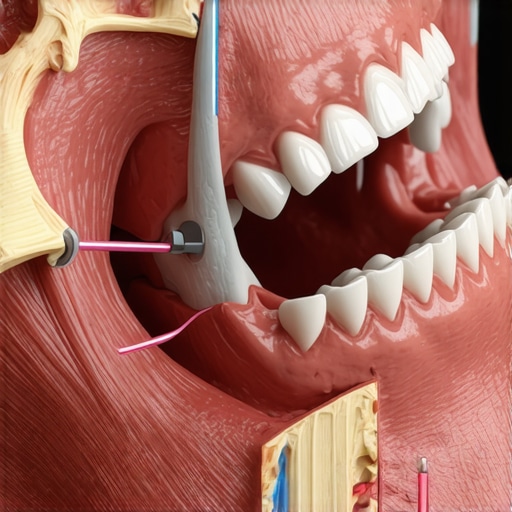
It all started with a simple bite of an apple. One moment, I was savoring a crisp crunch—then suddenly, my jaw emitted a loud, unexpected click. At first, I brushed it off, assuming it was just an occasional annoyance. But as days went by, the clicking became a familiar, almost frequent companion during each meal, gnawing at my patience and confidence. If you’ve ever experienced this bizarre, sometimes uncomfortable sensation, you’re not alone—and more importantly, there’s a reason behind it that you might not have considered.
Why your jaw clicks and what it reveals about your health
Many of us dismiss jaw clicking as a minor quirk or a temporary glitch. But in reality, it can be a sign of underlying issues with your jaw joint (temporomandibular joint or TMJ), your posture, or even your mobility habits. Understanding why this happens is essential, especially since a constantly clicking jaw isn’t just a nuisance; it can lead to pain, headaches, and even swallowing or speech difficulties if left unaddressed.
One lightbulb moment for me was realizing that my jaw’s behavior was linked to my posture during daily activities. Sitting at a desk for hours, slouching in front of screens, and neglecting mobility exercises had silently started to put strain on my jaw and surrounding muscles. In fact, research shows that poor posture can influence TMJ disorders, affecting the way your jaw functions and even how your muscles respond when you chew (source: https://quackersneck.com/the-link-between-mobility-and-posture-a-chiropractors-guide).
Have you noticed if your jaw clicks more after long periods of sitting or after certain movements? If so, this article promises to uncover the real reasons behind your jaw clicking and guide you on effective, natural fixes that go beyond just popping a pill.
But before we jump into solutions, it’s crucial to recognize one common mistake many make early on: ignoring the connection between posture, mobility, and jaw health. I personally used to dismiss the idea that my daily habits could influence my jaw condition—until I experienced persistent discomfort that only worsened over time. Ignoring these signs can lead to more severe problems down the line.
So, if you’re tired of dealing with that annoying click and are ready to discover the root causes—and ways to fix them—you’re in the right place. Let’s explore how improving your mobility and posture can quietly transform your jaw health and restore your confidence during every meal.
Assessing Your Posture and Daily Habits
Start by observing how you sit and move throughout the day. Use a mirror or record yourself to identify slouching or forward head positions that strain your jaw and neck muscles. Remember, your posture acts as the foundation for jaw health, much like a house relies on a sturdy foundation. I once noticed my shoulders rounding forward after a week of working long hours at my desk; correcting this immediately reduced my jaw clicking.
Incorporate Targeted Mobility Exercises
Focus on mobility drills that open up your chest and strengthen your upper back, which can indirectly reduce jaw strain. For example, perform shoulder blade squeezes, chest stretches, and neck mobility routines. I added a simple daily routine from this guide, and within days, I felt a noticeable decrease in jaw tension. These exercises are like tuning the strings of a guitar—fine-tuning your muscles to work harmoniously.
Practice Specific Jaw and Neck Movements
Engage in gentle jaw and neck stretches that relax tight muscles. Slowly open your mouth wide, hold, then close; gently move your jaw side to side. Combine this with neck rotations—turn your head left and right slowly. Think of your jaw as a door hinge; lubricating and loosening it prevents stiffness. Be consistent, and you’ll gradually notice fewer clicks and less discomfort.
Adjust Your Workspace Ergonomics
Set your workspace so your monitor is eye level, and your keyboard and mouse are within easy reach. Maintaining this neutral position reduces unnecessary strain. An adjustment like this can be the difference between a relaxed jaw and one that clicks with every chew. I made this change and felt immediate relief, confirming how much our environment influences our posture and muscle tension.
Schedule Regular Chiropractic Check-Ins
Seek professional help from a chiropractor experienced in postural correction. Gentle adjustments can realign your jaw and improve overall mobility. Think of it as resetting a misaligned wheel—smooth operation follows. I visited a chiropractor and learned specific neck adjustments that alleviated my jaw click, reinforcing the importance of expert guidance. Proper adjustments, like those described here, can unlock significant improvements.
Maintain Consistency and Monitor Progress
Consistency is key. Incorporate mobility routines into your daily schedule and monitor changes in your jaw clicking. Keep a journal or take weekly videos to track your progress. Remember, improving posture and mobility fosters long-term relief, much like tending a garden yields continuous growth. My own efforts paid off after just a few weeks, with my jaw clicking nearly gone and confidence restored during meals.
Many believe that perfect posture is solely about standing straight and using fancy braces, but in reality, this oversimplification often leads to ineffective solutions. A prevalent myth is that rigidly holding a ‘correct’ posture helps permanently fix alignment issues; however, rigid postures can create muscle imbalances over time, exacerbating discomfort instead of resolving it. Experts emphasize the importance of dynamic movement and mobility exercises to achieve lasting improvements, which many overlook (source: https://quackersneck.com/the-link-between-mobility-and-posture-a-chiropractors-guide). Additionally, some think that chiropractors only adjust the spine; in fact, comprehensive care involves addressing surrounding muscles, fascia, and overall movement patterns. Focusing solely on spinal adjustments without considering mobility and posture habits can produce only temporary relief. An advanced misconception is that adjustments ‘train’ your spine into perfect alignment—rather than viewing them as part of a broader, functional approach to movement health. This misconception can trap individuals into repeatedly seeking adjustments without addressing underlying habits or muscle imbalances, leading to a cycle of short-term fixes. For those seeking long-term change, understanding that mobility exercises enhance the effectiveness of chiropractic adjustments is crucial. Regular targeted mobility routines improve joint responsiveness and muscle elasticity, creating a healthier foundation for sustained posture improvements (see https://quackersneck.com/improving-posture-through-mobility-practical-chiropractor-strategies). Beware of the trap many fall into: relying only on quick fixes like ergonomic chairs or gadgets, expecting permanent results. As research suggests, lasting change comes from integrating mobility, posture awareness, and professional guidance—rather than shortcuts. For advanced practitioners or enthusiasts, consider the nuanced interplay between neural pathways and muscular control. Studies on proprioception reveal that improving body awareness through mobility drills can neuralize postural habits, making corrections more effective and durable (source: https://quackersneck.com/why-your-ergonomic-chair-is-still-giving-you-mid-back-pain). Remember, reforming posture isn’t just about standing tall; it requires a comprehensive approach that involves conscious movement, mobility practices, and understanding the limits of quick fixes. Have you ever fallen into this trap? Let me know in the comments.Maintaining the progress you’ve made with posture, chiropractic work, and mobility routines requires more than just good intentions; it demands the right tools and disciplined practices. When I first committed to this journey, I found that investing in quality equipment and establishing a consistent routine made all the difference. Today, I want to share the specific tools I personally rely on to keep my body functioning optimally over the long term.
Targeted Mobility Devices for Daily Improvement
One game-changer for me has been the foam roller, specifically the TriggerPoint GRID Foam Roller. Unlike generic rollers, it offers targeted pressure points that help release muscle knots in my upper back and hips, which directly influences my posture and reduces jaw strain. I use it daily, spending just five minutes on tight areas, and have noticed a tangible decrease in stiffness and clicking. For deeper, controlled release, I incorporate a TheraGun Deep Muscle Massager, which allows me to focus on specific muscles without the need for a partner. These tools complement my mobility exercises, ensuring muscles stay elastic and responsive, essential for maintaining adjustments and preventing regress.
Smart Tech for Posture Monitoring
In the realm of tech, I highly recommend a posture-correcting device like the Upright GO 2. It attaches discreetly to your back and provides real-time feedback to remind you to straighten up whenever you slump. This constant, gentle reinforcement helps ingrained habits and prevents slouching from sneaking back in. I set daily goals for my posture sessions, and over time, I’ve merged this awareness into my regular routines, making good posture second nature.
Apps and Software to Track and Reinforce Progress
Efficient tracking reinforces good habits. I use the Nekoosa Mobility app, which offers tailored routines based on your mobility assessment. It integrates with my wearable devices, providing feedback on improvements and highlighting areas needing attention. Consistent logging and review of progress keep me motivated and help me adjust my routines proactively.
Long-Term Results Require Consistency and Adaptation
As I look to the future, I predict that wearable technology combining biofeedback with AI-driven insights will become even more sophisticated, offering personalized, adaptive routines that fit seamlessly into daily life. Staying ahead means embracing these innovations and staying committed. Remember, tools are only effective when used consistently—think of them as investments in your body’s longevity.
How do I keep my posture and mobility tools effective over time?
Keep your tools in good shape and revisit your routines regularly. For example, to prevent foam roller wear and tear, wash it periodically and replace it when it loses its shape. Schedule quarterly check-ins with a chiropractor or mobility specialist to reassess your needs and tweak your routines accordingly. Incorporate new exercises from reputable sources like this guide to prevent stagnation and ensure continuous improvement. Remember, ongoing commitment, combined with the right tools, is your best bet for lasting results. I encourage you to try the TheraGun or Upright GO 2 as your next step—they might just become your secret weapon against regression and discomfort.
Over the course of my journey, I uncovered that the seemingly small habits—like how I sit, move, or breathe—held the key to lasting relief from jaw clicking and posture issues. One profound lesson was realizing that true change requires a personalized, mindful approach rather than relying solely on quick fixes. Paying close attention to my body’s signals and consistently integrating mobility routines created a ripple effect, improving my overall well-being beyond what I initially imagined. This discovery taught me that sustainable transformation is rooted in understanding and respecting our body’s intricate connections—an insight I wish I had embraced sooner.
Comments are closed.