
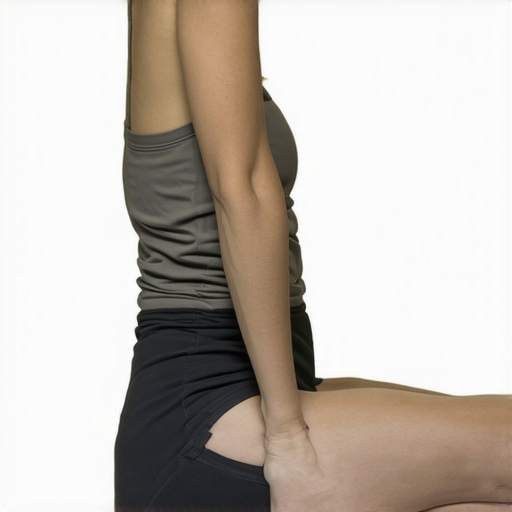
It was a quiet afternoon when I finally noticed the discomfort creeping into my hips. I’d been sitting cross-legged on my couch, reaching for my phone, when suddenly a dull ache settled into my pelvis. At first, I shrugged it off as normal stiffness, but days turned into weeks, and the pain never quite went away. That lightbulb moment hit me hard: I realized my favorite resting position was actually sabotaging my pelvic health.
Breaking the Myth: Sitting Cross-Legged Isn’t Just a Quirky Habit
Many of us have a habit of sitting cross-legged, thinking it’s comfortable or even harmless. I used to believe that sitting this way was natural, a sign of relaxed flexibility. But as I dug deeper, I discovered that this position isn’t just a harmless comfort—it’s actively twisting your pelvis out of alignment. Over time, this misalignment can lead to poor posture, pain, and even longer-term back issues.
My early mistake was assuming that stretching or strengthening alone could fix these problems. I overlooked the impact of my sitting habits. That oversight, I admit, was a common mistake among beginners. For a long time, I didn’t realize that habitual positions like sitting cross-legged—especially with poor posture—could be the root cause of my pelvic tilt problems. Want to know the truth? Even experts agree—these seemingly innocent habits can have serious consequences. According to a study published in the Journal of Musculoskeletal Research, sustained asymmetric postures like this can significantly affect spinal and pelvic alignment (more on how chiropractic care helps).
So, if you’ve been feeling that nagging discomfort or noticing your posture isn’t what it used to be, don’t worry—you’re not alone. Today, I’ll show you how I unraveled this knot in my own body and what practical steps I took to regain better pelvic health. Ready to change the way you sit and move? Let’s dive into the core reasons why this habit is costing you and how to start turning things around.
Identify the Root of Your Posture Problems
Start by observing your daily sitting positions. Keep a journal or set reminders to record how often you sit cross-legged during the day. Recognize that habitual positions like this can gradually misalign your pelvis, leading to discomfort and compromised posture.
Practice Micro-Movements to Reprogram Your Body
Incorporate Pelvic Tilts Throughout the Day
Set a timer every 30 minutes to perform pelvic tilts. Lie on your back with knees bent, gently flatten your lower back against the floor by tilting your pelvis backward, then tilt forward. This move helps re-engage your core muscles and realign your pelvis. My first attempt was messy; I wobbled and felt awkward, but consistency gradually improved my posture.
Use Targeted Mobility Exercises
Engage in mobility drills that open up tight hips and release pelvic tension. Practice hip circles or the simple hip flexor stretch, which can be found here. These exercises loosen the muscles pulling your pelvis out of alignment, enabling natural correction.
Adjust Your Sitting Environment
Ensure your workspace promotes better posture. Elevate your monitor to eye level, use an ergonomic chair with lumbar support, and avoid crossing your legs. Remember, a well-aligned pelvis is supported by the way you sit. I replaced my old chair and immediately noticed less pelvic tilt and lower back strain.
Implement Active Breaks and Movements
Set alarms to remind you to stand, stretch, or walk every 20–30 minutes. Practice the 2-minute hip opener or the pelvic reset exercise during breaks. These movements keep your body active, reducing stiffness that encourages poor posture habits. During one session, I performed a quick mobility move and felt immediate relief from tension.
Seek Professional Guidance When Needed
If persistent discomfort remains, consider consulting a chiropractor who specializes in postural corrections. Adjustments can realign your pelvis effectively, complementing your daily efforts. To learn more about how chiropractic care enhances posture, visit this resource. Remember, self-care is vital, but expert help can accelerate your progress.
Commit to Consistency and Track Progress
Consistency is key. Keep a log of your mobility exercises, sitting habits, and physical changes. Over time, you’ll notice improved comfort, better pelvic alignment, and enhanced overall posture. My own journey involved a messy start, but persistence turned my posture around and reduced chronic discomfort.
Many people assume that chiropractic care is solely about quick fixes, like cracking a neck or back. The truth is, this misconception can lead to incomplete treatment and persistent issues.
Why Do People Overlook Movement Quality Over Adjustments?
While chiropractic adjustments can provide immediate relief, focusing only on these fast interventions ignores the importance of sustained mobility and neuromuscular control. Experts advocate integrating targeted mobility exercises, such as those described here, to build resilience and long-term correction. Relying solely on adjustments without addressing movement patterns is a common mistake that hampers progress (see this research).
The Oops You Should Avoid: Falling for the Quick Fix
A prevalent trap is believing that frequent cracking or popping sounds indicate successful treatment. In reality, these sounds are often just cavitation within the joint and do not imply that the underlying problem has been resolved. True correction involves identifying structural imbalances and muscle weaknesses, not just cracking open the joint repeatedly. This misconception can cause people to neglect essential components such as strengthening weak stabilizers, which are crucial for lasting improvement.
Advanced Question: Is Chiropractic Adjustment Enough to Fix Postural Imbalances?
For those with persistent postural issues, it’s clear that adjustments alone often aren’t enough. The integration of mobile and stable tissues through proper mobility drills is essential, as emphasized in this guide. Without addressing the root neuromuscular patterns, the body tends to revert to maladaptive postures. Moreover, recent studies suggest that combining adjustments with functional movement training results in faster and more sustainable improvements (see here).
Another hidden nuance is understanding that posture is dynamic and context-dependent. A posture that looks ‘correct’ in a static picture might actually be dysfunctional when tested during movement or under load. That’s why advanced practices include assessments of how tissues respond during functional activities rather than static alignment alone.
Remember, true mastery over posture correction involves challenging common myths and embracing a holistic approach that combines alignments, mobility, stability, and mindful movement. If you’ve fallen into the trap of over-relying on adjustments, consider exploring integrative strategies to accelerate your progress. Want to learn more? Check out this resource for advanced mobility and stabilization techniques. Have you ever fallen into this trap? Let me know in the comments.
Maintaining the improvements you’ve achieved in your posture and mobility requires more than just occasional stretches or adjustments; it demands consistent effort supported by the right tools and systems. Over the years, I’ve refined my approach by integrating specific equipment and methods that help sustain progress and facilitate scaling these benefits. Let me share the precise tools I recommend that can make your journey to better posture both effective and manageable.
Invest in a Quality Posture Corrector
While some might dismiss posture braces as crutches, I view them as training aids when used correctly. I personally choose a breathable, ergonomically designed posture support that gently reminds me to keep my shoulders back. Unlike cheap models, quality supports apply subtle tension without restricting movement, reinforcing your neural pathways toward proper alignment. Use it during work sessions or long drives to maintain awareness and prevent regress. Experts suggest that periodic use of such devices combined with mobility exercises leads to lasting change (more here).
Leverage Wearable Biofeedback Devices
Advancements in wearable technology have made biofeedback more accessible. I rely on a small, discreet device attached to my upper back that vibrates when I slouch or tilt unhelpfully. This real-time feedback trains your neuromuscular system, making proper posture habitual. Over time, I noticed a significant reduction in conscious monitoring, as my muscles adapted to holding the correct position naturally. Incorporating biofeedback accelerates progress by making you aware of postural habits you often ignore (details here).
Utilize mobility apps and virtual coaching
Digital platforms now offer tailored mobility routines focused on maintaining alignment. I’ve used apps that guide me through targeted exercises, like hip openers or core stabilization drills, with reminders to perform quick routines throughout the day. These tools are especially helpful when scaling effort across busy schedules. Pairing app-based routines with periodic virtual coaching sessions guarantees proper form and progression, ensuring long-term results. As the field evolves, I predict AI-powered mobility coaching will customize programs even further (see how this is happening).
Set Up an Ergonomic Workspace
Your environment plays a crucial role. I invested in an adjustable sit-stand desk with programmable height settings. Proper monitor positioning, keyboard placement, and chair support are equally vital. Instead of static setups, I now switch between sitting and standing every 30 minutes, promoting circulation and reducing strain. This proactive setup ensures sustained alignment and makes the practice scalable as your needs evolve. I foresee future improvements including AI-optimized ergonomic systems that adapt in real-time (more on this trend).
Addressing Long-Term Success
Consistency with these tools creates a reinforcing network that maintains your posture improvements over the long haul. I recommend tracking your progress through journals or digital logs, noting changes in comfort, mobility, and posture cues. As your body adapts, revisit your tools—upgrading braces, calibrating biofeedback devices, or updating app routines—to match your evolving needs. Remember, the goal isn’t just correction but integration into your lifestyle, making good posture second nature.
How do I keep my posture improvements sustainable over time?
The secret lies in combining targeted mobility exercises with smart tools and environment tweaks. Regularly integrating elements like biofeedback or ergonomic adjustments fortifies your neuromuscular patterns. For example, trying the simple yet effective hip mobility drills outlined here helps lock in gains. Moreover, staying informed about technological innovations—such as AI-driven posture analytics—will keep your approach current, scalable, and sustainable. Embracing these practices ensures that your posture health doesn’t just revert but continues to improve over time. Want to unlock even better results? Start with one advanced tip: incorporate a wearable biofeedback device into your daily routine and observe how quickly your habits shift. For more comprehensive strategies, visit this resource.
Throughout my journey into chiropractic care and mobility improvement, one lesson stands out profoundly: true change requires more than quick adjustments; it demands an understanding of deeper habits and inner awareness. I’ve realized that persistent postural issues often hide in plain sight—like unconscious sitting habits or neglected muscle patterns—causing setbacks despite frequent visits to practitioners.
One insight I wish I had embraced earlier is that integrating mobility exercises consistently, rather than relying solely on periodic adjustments, creates sustainable results. This means actively engaging in targeted movements daily and understanding how daily choices—like sitting postures or workstation ergonomics—shape long-term health.
Another crucial lesson is that technology, when used wisely—such as biofeedback devices or posture monitoring apps—can accelerate our progress. They serve as gentle reminders, helping rewire neural pathways toward better habits, which is especially valuable when self-discipline alone wanes.
Lastly, I discovered that patience and persistence are essential. The body often resists quick fixes, but perseverance in practicing mindful movements and environment tweaks gradually rewires your posture, turning improvements into lasting habits. Remember, real transformation unfolds over time—commit to the process, and your future self will thank you.
Tools That Transformed My Approach
For anyone serious about fixing postural imbalances, I recommend exploring a few key resources. First, investing in a quality posture corrector can serve as a physical cue to maintain alignment during daily activities. Pair it with biofeedback wearables, which offer real-time insights into your posture, helping you become more aware of habits to correct.
Next, incorporating mobility routines found in this guide has been a game-changer for me. They provide clear, actionable steps to loosen tight hips and strengthen stabilizers, essential for holistic improvement. Lastly, consulting detailed resources like this article helps clarify how adjustments complement mobility work, ensuring a balanced approach.
Your Next Step Starts Today
Remember, achieving lasting pelvic health isn’t about quick fixes; it’s a lifestyle shift rooted in consistent effort and mindful choices. Embrace the tools that resonate with your needs, stay patient through setbacks, and celebrate gradual progress. Your body has the incredible capacity to heal and realign—trust the process, and make 2026 the year you reclaim your posture. What small change will you commit to today to support your pelvic health? Share your intentions below—I’d love to hear your story.
Comments are closed.