
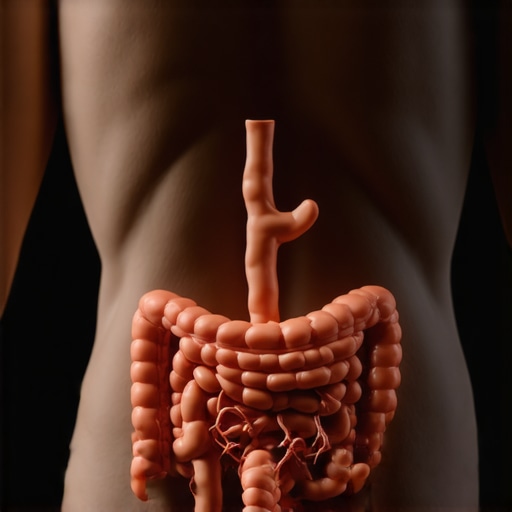
It hit me like a ton of bricks one morning, after months of stubborn backache that just wouldn’t go away. I remember sitting on my couch, stretching, twisting—trying every trick in the book—yet nothing seemed to relieve that nagging discomfort. That’s when I had a lightbulb moment: could my gut health actually be playing a part in my back pain? Turns out, I wasn’t alone in my confusion. Many people overlook the profound connection between their digestive system and spinal health.
Why Your Gut Might Be Sabotaging Your Spine
Evidence is growing that your gut and back pain are more intertwined than many realize. An imbalance in gut bacteria, for example, can trigger systemic inflammation, which might lead to muscle tightness and nerve irritation—especially around your spine. A study published in the Journal of Clinical Gastroenterology highlights how gut health issues can contribute to chronic pain, including back discomfort. That persistent ache might not just be solved with better posture or chiropractic adjustments alone. Understanding mobility and posture is essential, but addressing gut health could be the missing piece.
Early on, I made the mistake of thinking it was all about my posture. I spent hundreds on chiropractors, trying stretches, and ergonomic chairs. But the pain persisted. It wasn’t until I started exploring my digestion that I discovered the real culprit—an imbalance in my gut microbiome. From there, adopting dietary changes and focusing on gut health transformation made a noticeable difference in my back’s condition.
Is It Really Worth the Hype?
Some skeptics might dismiss this idea as another trend. I get it. I was cautious too—until I experienced the shift myself. It’s common to overlook the symbiotic relationship between our digestive health and musculoskeletal pain. One key mistake I made early on was ignoring my diet and relying solely on adjustments—only to realize that true relief required a holistic approach. Combining mobility work with gut-boosting strategies created profound outcomes. Curious about how to balance this? You might want to explore strategies outlined in the chiropractor’s guide to mobility.
If you’re tired of short-term fixes and want to understand the root of your back pain, keep reading. We’ll delve into practical steps to restore both gut health and spinal mobility, so you can get back to feeling your best.
,
Start with Correct Posture Awareness
First, regularly evaluate your sitting and standing positions. Use a mirror or record yourself to identify poor habits like slouching or forward head posture. Adjust your workspace so your monitor is eye level, and your feet rest flat on the ground. I once spent a day consciously correcting my posture, which initially felt awkward but gradually became second nature, reducing tension after a few days.
Implement Daily Mobility Routines
Incorporate targeted mobility exercises to unlock tight joints and muscle groups. For example, perform hip circles and shoulder rolls in the morning. I started doing these during my coffee breaks, and within a week, my back stiffness decreased significantly. Check out this guide for a comprehensive list and video demos.
Focus on Hip and Thoracic Spine Mobility
These areas are crucial for a spine that moves well. Use foam rollers or lacrosse balls to release tension in your hips and upper back. A simple drill I adopted was the hip flexor stretch combined with thoracic twists, which I did daily before bed. This profoundly improved my ability to maintain upright posture during the day.
Enhance Spinal Flexibility with Dynamic Stretches
Dynamic stretches like cat-cow or inchworms prepare your spine for movement, preventing stiffness. My approach was to perform 10 minutes of these movements before workouts or long periods of sitting. Initially, it felt clumsy, but the increased flexibility made a noticeable difference in pain levels.
Adopt Gut-Friendly Dietary Habits
Your gut health directly impacts systemic inflammation, which can exacerbate back pain. Start by reducing processed foods and increasing your intake of fiber-rich vegetables, fermented foods, and omega-3 fatty acids. I kept a food journal and noticed that cutting out sugar and adding probiotics improved my digestion and reduced back discomfort over time.
Incorporate Gut-Healing Supplements Carefully
Consider adding supplements like glutamine or digestive enzymes after consulting with a healthcare provider. I personally tried a probiotic blend for two months, which resulted in less bloating and improved nutrient absorption, contributing to better musculoskeletal health.
Combine Mobility and Nutrition Consistently
Make these routines a daily habit. Use timers or apps to remind yourself to stretch and eat gut-friendly meals. Progress may be messy at first, but persistence pays off. I experienced initial soreness and setbacks, but sticking to the plan gradually restored my back health and energy. For more advanced mobility strategies, explore this resource.
Why Everything You’ve Heard About Posture Might Be Wrong
Many people believe that maintaining perfect alignment is the key to resolving chronic pain. Common advice suggests rigidly following ergonomic standards or regular chiropractic adjustments, but this oversimplifies a complex system. In my experience, the real nuance is understanding how mobility and neural functions influence posture, not just static positioning. For example, focusing solely on spinal alignment without addressing joint mobility can lead to short-term relief but long-term setbacks. A study in the Journal of Neuroscience emphasizes that neural pathways regulating movement are just as vital as the bones themselves, highlighting the importance of dynamic control over static fixes. Beware of the trap of adopting
Maintaining optimal posture and mobility over the long term requires more than just occasional stretches or adjustments; it demands reliable tools and consistent routines that fit seamlessly into your daily life. Personal experience has shown that investing in the right equipment and adopting proven methods can significantly prolong the benefits of your corrective efforts. For example, I swear by a high-density foam roller combined with a set of lacrosse balls—these allow me to target deep tissue restrictions with precision, as highlighted in this resource. The versatility and durability of a quality foam roller make it a non-negotiable component of my routine.
Additionally, I utilize mobility apps that guide me through tailored drills designed for specific tightness or pain points. An app like MobilityWOD offers customizable routines, which I’ve found invaluable for tracking my progress and adjusting my exercises over time. The key is consistency; I set daily reminders to perform these drills, ensuring I reinforce new movement patterns before old habits re-emerge.
How do I keep my improvements sustainable long-term?
To sustain progress, I permanently incorporate mobility routines into my morning and evening rituals. Regular check-ins—like recording a short video of my posture—help me catch deviations early. I also keep an adjustable lumbar support cushion at my desk, which encourages good ergonomics during long work sessions. For a more advanced approach, some have experimented with neural retraining devices, which stimulate neural pathways responsible for movement control, as discussed in recent breakthroughs documented by experts in neuro-mobility research.
Looking ahead, the trend leans toward smart wearable technology that provides real-time feedback on posture and movement. These innovations promise to make maintaining mobility easier and more interactive. For example, smart belts with embedded sensors can alert you when your pelvic alignment shifts outside optimal zones, prompting immediate correction—effectively preventing long-term misalignments.
Implementing these practical tools today can set a foundation for future-proof posture health. If you’re ready to elevate your maintenance game, I highly recommend trying out a mobility app combined with targeted trigger point therapy tools. Visit this page to explore personalized guidance from professionals who can support your journey. Remember, consistency is your best ally on the path to a pain-free, mobile life.
Throughout my journey to alleviate chronic back pain, I uncovered some lessons that transformed my approach and deepened my understanding of spinal health. These insights are not just tips—they’re revelations that challenged common beliefs about posture and mobility. Here are the hardest lessons I learned about posture, adjustments, chiropractic techniques, and mobility strategies.
- Balance Over Rigidity: I realized that striving for perfect alignment often led me to rigidity, which paradoxically worsened discomfort. True spinal health thrives on fluidity and functional movement, not static perfection.
- Holistic Care Trumps Quick Fixes: Relying solely on adjustments or stretches without addressing underlying lifestyle factors, like diet and stress, proved futile. Integrating gut health and mobility routines created sustainable relief.
- The Mind-Body Connection Is Real: I discovered that neural pathways and muscle memory play significant roles in posture. Neural retraining and consistent movement habits outperformed occasional corrections.
- Consistency Is Key: One-off sessions don’t yield lasting change. Daily habits—like mindful movement and gut-friendly eating—shape long-term spinal health.
- Empowerment Through Education: Understanding the science behind mobility and systemic inflammation empowered me to make informed choices, avoiding gimmicks and trusting proven techniques.
My Go-To Arsenal for Sustained Posture Success
Over the years, I’ve curated a set of tools and resources that genuinely support my mobility and spinal health. These are the pillars I trust:
- Targeted Mobility Exercises: I swear by mobility drills recommended by experts—they’ve revolutionized my flexibility and posture control.
- Educational Content: Books like Becoming a Supple Leopard broadened my perspective on movement mastery, highlighting that mobility is a lifelong journey.
- Professional Guidance: Regular check-ins with a chiropractor who emphasizes neural mobility and systemic health help me stay on track and adapt strategies as I age.
- Smart Tools & Apps: Using mobility apps and trigger point tools ensures consistency and tracks my progress effectively.
Your Next Move Toward a More Mobile, Pain-Free Life
Remember, taking control of your posture and spinal health isn’t about perfection; it’s about progress and persistence. Incorporate mobility routines, prioritize gut health, and stay curious about your body’s signals. Every small step adds up to significant transformation, leading to a life where pain no longer dictates your days.
Are you ready to challenge the myths and embrace a holistic approach to spinal wellness? Share your experiences or questions below—your journey might just inspire someone else to take that first empowering step.
,