
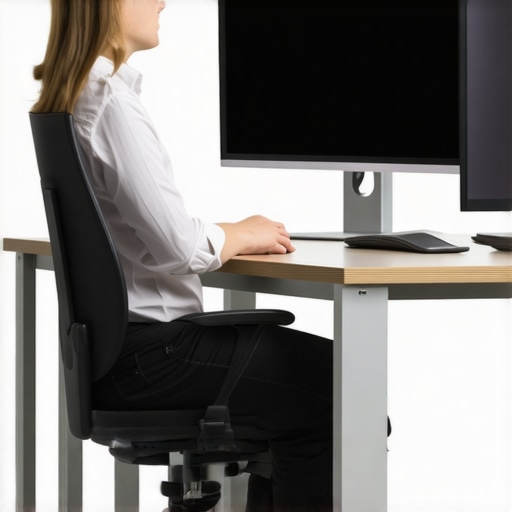
Have you ever sat in your ergonomic chair after a long day, feeling a strange mix of comfort and fatigue? I remember the moment I finally connected the dots—how that sleek, supportive seat was silently doing more harm than good. It hit me during a particularly stiff morning when I noticed my core felt weaker, less stable than it used to be. That lightbulb moment revealed something unsettling: my beloved ergonomic setup might be contributing to my declining core strength instead of supporting it.
Peeling Back the Layers of Comfort and Support
Many of us invest in high-end ergonomic chairs, believing they will correct our posture and support our long hours at the desk. However, what I didn’t realize early on is that these chairs can sometimes foster dependence on external support, causing our muscles, especially in the core, to take a backseat. Over time, this reliance diminishes our natural strength and stability, which are crucial for overall health and mobility.
When I first started noticing my core weakening, I assumed it was just aging or stress. But a quick dive into research uncovered a startling fact: prolonged sitting in supportive chairs can lead to muscle atrophy if we’re not actively engaging those muscles. According to a study published in the Journal of Physical Therapy Science, excessive static sitting can impair the ability of core muscles to activate properly, leading to a cycle of weakness and discomfort. You can read more about how mobility impacts posture in this comprehensive chiropractor’s guide.
From my experience, early mistakes I made included ignoring the importance of movement and falsely relying solely on my chair’s support. I believed that if I just had the right seat, I wouldn’t need to think about how I moved. That mindset backfired because it decreased my awareness of my body’s natural needs and cues.
Today, I want to share how I started to recover my core strength and what you can do to avoid falling into the same trap. But first, let’s address a common skepticism many people have—
Is investing in mobility exercises really worth the hype?
This was the very question I had in mind when I first thought about ditching my passive approach. Trust me, rebuilding your core isn’t about fancy gadgets or magic pills; it’s about understanding your body’s needs and activating muscles that often get left behind in our sedentary routines. Want to learn how to turn your desk time into a mobility enhancer? Stay tuned!
If this resonates with you, have you ever felt your core weakening even when working in what seems like the perfect ergonomic environment? You’re not alone. Many people overlook the silent effects of prolonged support without movement, and I used to be one of them. Fortunately, with a few simple adjustments, you can reclaim your strength and stability.
Next, we’ll dive into practical strategies that will restore your core’s vitality, starting right now. Ready to make some changes?
Activate Your Core Before Sitting
Start with a simple, intentional activation of your core muscles every morning, like gently pulling your belly button towards your spine for five seconds, then releasing. During my own attempt, I reminded myself to do this before work—I felt a little awkward at first, but over a week, I noticed less back fatigue. Think of this as warming up a car engine; it prepares your muscles to support your day.
Incorporate Dynamic Movements During Breaks
Set a timer every 30 minutes to stand, stretch, or do a quick mobility drill. For example, I practiced hip circles and torso twists for 60 seconds. This breaks dependence on your chair’s support and revitalizes your muscles. Imagine your body as a flexible garden hose; moving it prevents stiffness and restores flow.
Practice Controlled Breathing for Spinal Relief
Deep, diaphragmatic breathing contracts your core muscles and relaxes tense areas. I paused during work to take five deep breaths, inhaling through my nose, and exhaling slowly through my mouth. This technique enhances blood flow and resets your nervous system, similar to how a chiropractor adjusts your spine to restore proper alignment.
Engage in Targeted Mobility Exercises
Dedicate 10 minutes daily to mobility routines that target tight areas—such as shoulder rotations or ankle dorsiflexion drills. I followed specific routines from this resource and was surprised by my increased range of motion. Think of mobility exercises as oiling a rusty hinge—they reduce friction and allow smooth movement.
Adjust Your Work Environment Thoughtfully
Modify your workspace to encourage movement—swap sitting for standing, or switch chairs periodically. I tried an adjustable desk and learned to alternate positions every 20 minutes. This approach disrupts static support reliance and stimulates muscle engagement, akin to a chiropractor’s manual adjustments that restore joint flexibility.
Incorporate Self-Adjustments for Daily Maintenance
Learn simple techniques like gentle neck or lower back presses to reset tension. I practiced a quick upper back stretch, which reduced stiffness. Regular self-mobilization enhances your body’s intrinsic ability to maintain proper alignment, much like regular chiropractic check-ins.
Monitor and Refine Your Technique
Keep track of what movements or habits improve your core stability and adjust accordingly. I used a journal to note my progress, which motivated me to stay consistent. Remember, like fine-tuning a complex machine, small adjustments ensure ongoing performance and health.
Contrary to popular belief, many individuals assume that chiropractic adjustments alone can permanently fix posture issues or enhance mobility without addressing underlying movement patterns. In reality, reliance solely on spinal manipulations often overlooks crucial nuances, such as neuromuscular re-education and mobility-driven exercises, which are essential for sustainable improvement.
One common myth is that adjustments are a quick fix, like pressing a reset button for your spine. While chiropractic care can provide immediate relief and realignment, it doesn’t inherently correct ingrained movement habits or muscular imbalances. Studies, such as those referenced in this article, emphasize the importance of integrating adjustments with targeted mobility work to achieve lasting results.
A hidden trap many fall into is thinking that posture correction is merely about standing tall in front of a mirror. True posture is dynamic; it involves complex interactions between your neuromuscular systems. Neglecting this complexity leads to short-lived improvements and can even worsen issues if corrective exercises aren’t tailored appropriately. For instance, overemphasizing passive stretching without strengthening the supporting muscles can cause further instability, as explained in this resource.
Why Do Mobility Exercises Outperform Static Stretching in Posture Correction?
Many believe stretching alone is enough to fix tight muscles and improve posture. However, static stretches may temporarily loosen muscles but often fail to address the root cause—restricted joint mobility and neuromuscular control. Dynamic mobility routines, which incorporate movement and strengthening, facilitate better long-term adaptability. Evidence from clinical studies highlights that mobility-focused interventions produce more sustainable results than passive stretching alone, making them a cornerstone of effective posture improvement. Dive into how mobility works in this guide.
Another advanced mistake is neglecting the interconnectedness of ankle, hip, and thoracic mobility. For example, limited ankle dorsiflexion can cascade upward, causing compensations that strain the lower back and shoulders. Incorporating targeted mobility drills not only improves flexibility but also restores proper movement patterns, essential for both posture and pain-free function. This is detailed comprehensively in this article.
Be cautious of the trap where clients focus solely on isolated muscles, like the upper trapezius or pectorals, without addressing overall movement patterns. Holistic assessments that include joint mobility, muscular balance, and functional movement are critical. Failing to see the bigger picture can lead to repetitive adjustments and exercises that provide only temporary relief or even exacerbate other issues. Remember, sustainable change demands an integrated approach—combining adjustments, mobility, strengthening, and neuromuscular retraining.
Have you ever fallen into this trap? Let me know in the comments. Improving your posture and mobility is a journey that benefits from understanding these deeper nuances. For personalized guidance, consider exploring more about how specific adjustments can enhance your overall movement with this detailed resource.
Maintaining optimal posture and mobility over the long term requires more than just awareness; it demands the right tools and consistent routines. One of my go-to investments has been a quality foam roller, specifically the TriggerPoint GRID Foam Roller. I personally find it crucial for its durable surface and targeted pressure points, which help release my tight back and hip muscles after hours of sedentary work. Regular self-myofascial release with this roller has significantly improved my mobility, reducing stiffness and preventing recurring tension issues. Additionally, I incorporate a reliable mobility software like MobilityWOD, which offers tailored routines to target specific restrictions. I appreciate its detailed video tutorials and progress tracking features, aiding me in staying disciplined and attuned to my body’s needs. As this field advances, I predict a rise in smart, wearable devices that monitor real-time movement patterns and provide immediate feedback—think of them as personal mobility coaches embedded in our daily lives. These innovations could revolutionize how we sustain healthy movement habits seamlessly and proactively.
How do I maintain long-term mobility and posture improvements?
The key lies in integrating these tools into a disciplined routine. For example, dedicating 10 minutes daily to targeted foam rolling and moving through dynamic mobility drills can preserve gains, much like regular chiropractic check-ins support spinal health. Remember, consistency is vital: a habit built over time makes these efforts second nature, ultimately safeguarding your mobility and posture resilience. If you’re eager to maximize your routine, I highly recommend trying the targeted mobility exercises. They are designed to unlock hidden restrictions and promote lasting flexibility, which is essential for preventing long-term issues.
The Hidden Trap of Comfort: How I Learned to Break Free
One of the most profound lessons I uncovered was that true posture strength isn’t about constant support but about active engagement. Relying solely on ergonomic chairs taught me complacency, leading to muscle atrophy over time. Real progress came when I started questioning the very comfort I sought, realizing that mobility and movement were key to lasting health.
My Go-To Tools for Lasting Change
Investing in a quality foam roller like the TriggerPoint GRID transformed my recovery routines. It helped me release tension and maintain flexibility, acting as a DIY chiropractor at home. Complementing this, I turned to resources like targeted mobility routines that provided clear, practical guidance. These tools created a structured path to sustainable mobility, offering peace of mind and tangible results.
Empowering Yourself to Lead the Change
Your journey toward better posture and mobility is uniquely yours, but you don’t have to do it alone. Embrace small, daily habits, integrate effective tools, and stay curious about your body’s needs. Remember, the future of mobility is in your hands—every choice you make rewires your movement pattern for the better.