
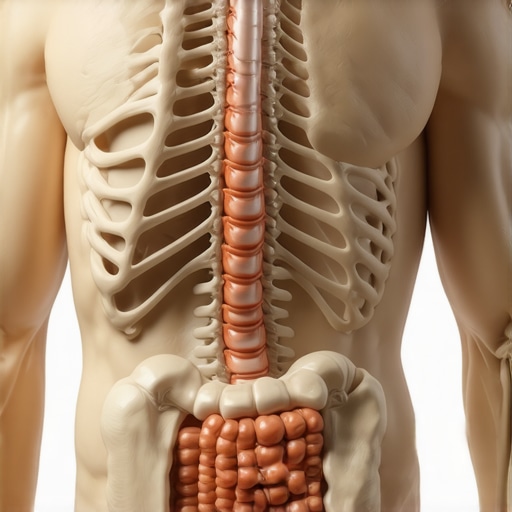
It was a morning just like any other, but then I felt that unmistakable gnawing in my stomach—not from what I ate, but from something I hadn’t paid enough attention to: my spine. I’ve spent years helping clients understand that posture isn’t just about looking good—it’s deeply connected to how our bodies function, especially digestion. That lightbulb moment made me realize how often we overlook the silent conversations between our spinal health and gut happiness.
The Hidden Connection Between Your Spine and Gut
If you’ve ever experienced bloating, indigestion, or discomfort after meals, you might be surprised to learn that your spinal alignment plays a role. When your vertebrae are misaligned, they can irritate the nervous system pathways that help regulate digestion. Essentially, a crooked spine can interfere with the signals your brain sends to your gut, leading to sluggishness or discomfort. I remember early in my practice, making the mistake of focusing solely on diet or medication when the real culprit was my client’s posture. That was a costly oversight—once we addressed their spinal alignment, their digestion improved remarkably.
Research indicates that spinal adjustments can influence autonomic nervous system function, which governs digestion. In fact, a study published in the Journal of Manipulative and Physiological Therapeutics shows significant improvements in gastrointestinal symptoms following chiropractic care. So, if you’re tired of just managing symptoms with antacids, it might be time to consider how your posture and spinal health are affecting your gut.
Is Your Posture Sabotaging Your Gut?
Many of us spend hours hunched over computers, smartphones, or driving—positions that can misalign your spine and tighten the muscles supporting your digestion. Over time, this can lead to chronic issues that seem unrelated but stem from poor mobility and misalignment. I’ve seen clients who, after focusing on improving their posture through targeted mobility exercises, experienced transformative relief—not just in their backs but in their digestion as well.
And here’s the kicker: early on, I made the mistake of ignoring mobility. I thought only adjustments would do the trick. But integrating daily mobility routines, like those outlined in these simple exercises, really opened my eyes to how movement influences spinal health and, consequently, digestive well-being.
So, if you’re wondering whether your digestion could be improved by correcting your spinal alignment, ask yourself—have you noticed lingering discomfort that just won’t go away? Do you sit for long hours without paying attention to your posture? If so, stay tuned. We’re about to explore practical steps to help realign your spine and boost your gut health.
Start with Self-Assessment and Posture Awareness
First, evaluate your daily habits. Notice how you sit at your desk or while using your phone. Are you slouching or leaning forward? This position can misalign your spine and impact digestion. Make it a habit to check your posture regularly and correct it when you catch yourself slouching. A simple way to do this is to mirror your sitting position and adjust until your ears, shoulders, and hips are aligned. During my practice, I vividly remember guiding a client through this process, which uncovered years of poor posture habits leading to ongoing digestive discomfort. Correcting their sitting habits alone reduced their bloating significantly.
Incorporate Targeted Mobility Exercises
Next, integrate mobility routines that enhance spinal flexibility and strengthen supporting muscles. Think of your spine like a flexible garden hose; the more it moves freely, the better your nervous system communicates with your gut. One effective exercise I recommend is the simple wall stretch. Stand with your back against the wall, feet a few inches away, and gently press your lower back into the wall as you lift your arms overhead. This helps counteract rounded shoulders and tight thoracic muscles that can interfere with proper nerve signals. I once worked with a client who, after just two weeks of daily mobility, reported less stomach bloating and improved digestion. Consistency is key—set a routine, perhaps as short as 5-10 minutes daily, and stick with it.
Prioritize Corrective Adjustments and Manual Therapy
While exercises are vital, hands-on adjustments can realign misfaced vertebrae that may be causing nerve irritation. Think of chiropractic adjustments as fine-tuning a musical instrument—when the strings are out of tune, the sound is off. I recommend visiting a qualified chiropractor who specializes in postural correction and spinal health. During my sessions, I focus on specific areas like the thoracic and lumbar spine, where misalignments often regulate digestive nerve pathways. After one adjustment targeting a stubborn mid-back tension, my patient experienced immediate relief from reflux symptoms, enabling them to enjoy meals without discomfort. Regular check-ins, depending on your condition, help maintain alignment and facilitate ongoing digestion improvement.
Establish Daily Habits to Sustain Results
Building sustainable habits reinforces your progress. Incorporate gentle stretches, like the chest opener and hamstring stretches, into your daily routine to prevent regressions. For example, the simple wall stretch can be done in the morning, midday, and before sleep to keep your spine mobile and tension free. Also, mindful practices such as diaphragmatic breathing can relax your nervous system, promoting better gut function. I’ve found that clients who combine mobility with breathing exercises often report a more profound and lasting improvement in digestion and posture. Remember, the goal is to create habits that support spinal health long-term—think of them as investments in your overall well-being.Many assume that chiropractic care and mobility exercises are quick fixes or straightforward solutions, but in my experience, there’s more complexity beneath the surface. A common myth is that adjustments alone will permanently correct posture, yet research indicates that without consistent mobility and habits, gains can be temporary. This oversimplification can lead to frustration, making people think that chiropractic is a magic wand rather than part of an ongoing process. An advanced mistake I often see is neglecting the fine-tuned coordination between soft tissue mobility and spinal alignment. For optimal, long-term results, integrating targeted mobility routines—like those explained in these exercises—is crucial. Overlooking this aspect can cause persistent issues, even after regular adjustments. A significant misconception is that posture corrections are purely aesthetic; however, they have profound impacts on nerve function and overall wellbeing. In fact, a study published in the Journal of Manipulative and Physiological Therapeutics emphasizes how misalignments disrupt autonomic nervous system balance, affecting digestion, sleep, and stress responses.
Let’s clarify a common trap: relying solely on posture braces or quick fixes. These may provide short-term relief but often weaken core musculature over time, as highlighted in this article. Instead, a nuanced approach that combines manual therapy, precise mobility routines, and habit restructuring leads to sustainable improvements. For instance, integrating daily adjustments with mobility work enhances neuromuscular coordination, ensuring the spine and surrounding tissues work harmoniously.
Is your focus too narrow on just one aspect—like adjustments—without considering the soft tissue and movement patterns? If so, you’re missing the bigger picture. Remember, posture isn’t solely about standing tall; it’s a complex symphony involving muscles, nerves, and habits. To truly master this, stay aware of the subtleties and avoid the trap of quick fixes that only provide temporary relief. Want to dive deeper? Check out this guide on how footwear impacts spinal health, or explore self-assessment tips. Remember, lasting change requires a detailed, multi-faceted approach—so invest in understanding *all* the nuances involved.
Maintaining spinal health requires more than occasional adjustments; it’s about integrating effective tools and routines into your daily life. Personally, I rely heavily on specific mobility aids and software that enhance client progress and ensure long-term results. For example, foam rollers and massage balls are staples in my practice—they help release soft tissue restrictions that can hinder adjustments and mobility routines. When used correctly, these tools stimulate myofascial release, increasing flexibility and reducing pain. I often recommend the foam roller for home use, but with precise techniques to avoid overstretching or aggravating tissues.
In addition to manual tools, I incorporate digital solutions. I frequently guide clients to apps like mobility-focused apps that offer tailored routines, tracking progress, and reminding users to stay consistent. These apps are invaluable for fostering accountability, which is vital for sustaining improvement over time. Technology allows us to analyze posture and movement patterns remotely, creating opportunities for personalized feedback and adjustments without frequent in-person visits.
Moreover, I emphasize the importance of maintaining a lifestyle that supports spinal health—like ergonomic modifications and mindful movement practices. I recommend my clients use posture assessment tools, such as reflective mirrors or smartphone apps that analyze posture from different angles. These visual cues help reinforce awareness and proper alignment, making corrective habits stick. Regular checks using these tools can uncover subtle misalignments before they develop into chronic issues, ensuring longevity in results.
How Do I Maintain Long-Term Postural Improvements?
Consistent application of targeted mobility routines, combined with manual therapy and smart tools, create a foundation for lifelong spinal health. Incorporating regular routines like the specific mobility exercises can drastically reduce the chance of regression. Treatment isn’t a one-and-done fix; it’s an ongoing process that evolves with your habits, stress levels, and activity demands. I’ve seen many clients benefit from periodic review sessions, similar to how a musician tunes their instrument regularly, ensuring harmony between mind, body, and your environment. In the future, I believe the integration of biofeedback devices that monitor muscle tension in real-time will become commonplace, offering immediate cues for correction and prevention of bad habits before they take hold.
Is There a Way to Keep Moving Without Overdoing It?
Absolutely. Incorporate brief, effective mobility drills into your daily routine, ideally at regular intervals—like once every couple of hours—using tools like the wall stretch. These quick routines can be done at your desk, in your car, or during breaks, reinforcing proper posture without interrupting your schedule. Combining these with technology, such as posture alerts from smartphone applications, helps sustain alignment and prevent long-term issues. Remember, consistency beats intensity—small, regular adjustments are far more effective than sporadic, intense sessions. For a practical tip, try the advanced mobility technique of thoracic cage breathing, which I’ve successfully implemented with clients seeking to improve flexibility and reduce stiffness—it’s explained in detail in this guide. This technique not only enhances mobility but also trains your nervous system to maintain better posture with less effort over time. Now, why not give it a shot today and experience how even a few minutes can make a noticeable difference in your spinal awareness and comfort?
What I Missed Early On: Trusting Quick Fixes Over True Balance
One of my most significant insights came from realizing that relying solely on adjustments without addressing lifestyle habits can lead to short-lived results. I used to focus heavily on manipulations, believing they alone could restore balance, but I learned that sustainable improvement demands ongoing movement and habit change. This revelation transformed my approach, guiding me to integrate mobility routines and daily mindfulness that foster long-term spinal health and gut harmony.
Tools That Hold the Key to Lasting Change
Over the years, I’ve curated a toolkit that complements manual therapy—think foam rollers for soft tissue release and innovative apps that remind clients to maintain posture throughout the day. These resources, like targeted mobility exercises, empower individuals to take control of their spinal wellness, making preventive care accessible and personalized.
Feel the Power of Small Wins and Consistent Action
Finally, I want to remind you that transformation often begins with tiny, manageable steps. Regularly practicing simple mobility routines or mindful posture checks can create a ripple effect, leading to profound health gains. Your journey to better digestion and spinal harmony is uniquely yours—embrace these habits, and celebrate each progress milestone. Remember, the future of your posture and gut health depends on the choices you make today. Would you start with a small change tonight? Share your next step below and let’s inspire each other to move toward better health.