
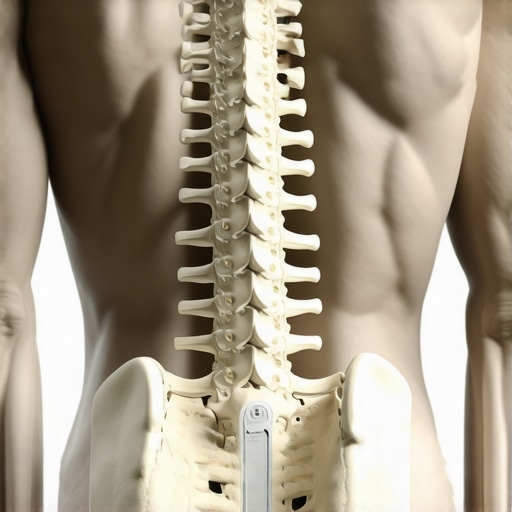
Ever had that moment when you’re standing in front of the mirror, feeling a lingering ache in your neck or a stubborn tightness in your lower back, and thought, “Maybe I just need a better pair of shoes”? I remember mine vividly. Years ago, I chalked up my discomfort to long hours at my desk or bad sleeping habits, but then I discovered something that truly shifted my understanding—and it was as simple as looking beyond the shoes.
Why We Often Miss the Real Cause of Posture Problems
For a long time, I believed that the right orthotics could fix everything. If my shoes were supportive enough, my posture would naturally correct itself, right? Turns out, that’s not the whole story. Early on, I made the mistake of relying solely on external supports without addressing the root mobility issues that quietly undermine spinal alignment. I learned that orthotics might provide temporary relief, but they often mask deeper problems, leading to dependency rather than sustainable correction.
Are Orthotics Really the Magic Fix or Just a Band-Aid?
This question haunted me for years, especially as I saw countless clients convinced that a new pair of insoles would resolve their chronic pain. The truth is, many of us are jumping to orthotic solutions without fixing the underlying mobility restrictions that cause misalignment. According to recent research, improper spinal mobility affects posture more than rigid shoe support alone (source: The link between mobility and posture). Recognizing this was a lightbulb moment for me—and for my clients—because it opened a new pathway to real, lasting change.
If you’ve ever felt the frustration of temporary relief followed by persistent discomfort, you’re not alone. And I promise, there’s a better way—one that doesn’t rely solely on external props but instead addresses the core issues affecting your spinal health. That’s exactly what we’re going to dig into today, so you can finally get to the heart of your mobility struggles and reclaim your posture with practical, sustainable strategies.
Start With Targeted Mobility Exercises
Begin your journey by integrating specific mobility drills that loosen up tight joints and muscles. I recall a morning when I committed to 10 minutes of targeted exercises from this routine. Initially, it was a messy process—trying to balance, breathe, and focus—but over a week, I noticed my shoulders were less rounded, and my neck felt more relaxed. Consistency is key; dedicate time daily, even if it’s just a few minutes, to perform these exercises deliberately and mindfully.
Incorporate Daily Movement Patterns
Don’t wait for your weekly workout to move more. Break prolonged sitting by integrating short movement breaks every 30 minutes. Think of your body as a car engine: if you leave it idling too long without running it through its paces, it gets gummed up. I started setting a timer and doing simple movements like arm circles, hip tilts, and neck rotations. These are simple but powerful. For detailed guidance, check these mobility boosting tips. These micro-adjustments keep your joints fluid and prevent stiffness from creeping in.
Perform Static Stretches Correctly
Stretching is often misunderstood. Instead of holding stretches passively, focus on controlled, intentional movements that increase joint space and release muscle tension. My favorite is the simple wall stretch for rounded shoulders; it’s effective and easy to do anytime. I recommend doing this stretch after periods of desk work, holding each position for 20-30 seconds. It’s like jazzing up a rusty hinge—regular movement prevents squeaks and rust from settling in. For an effective routine, see this guide.
Practice Proper Breathing Techniques
Breathing deeply can surprisingly influence your spinal health. Shallow chest breathing leads to tightness in mid-back and shoulders, compounding poor posture. I found that consciously practicing diaphragmatic breathing, especially during stress or long periods of sitting, helped reset my posture automatically. A simple way is to place a hand on your stomach and breathe slowly enough for it to rise visibly. Want to learn more? Check this breathing exercise. Regular practice releases tension and promotes better spinal alignment over time.
Adjust Your Workspace for Optimal Alignment
Your environment plays a crucial role. Ensure your monitor is at eye level, your chair supports your lower back, and your feet are flat on the floor. When I first adjusted my workstation based on these principles, it was a bit awkward at first. I struggled to keep proper posture at the beginning, but with persistent tweaks, my neck pain significantly reduced. Small changes like elevating your laptop stand (more tips here) create a big difference. Think of your workspace as the steering wheel—small adjustments make the ride smoother and safer.
Maintain Consistency and Observe Your Body
The real progress comes from ongoing commitment. Track your daily mobility and posture habits, noting improvements or setbacks. When I started these routines, I kept a simple journal, which helped me understand what worked best. Adjust your routine based on how your body responds; some days require more focus on hip mobility, others on neck tension release. Remember, your body communicates through discomfort—listen to it and adapt your techniques accordingly.
Ultimately, improving posture through mobility isn’t about quick fixes. It’s a continuous process of nurturing your body’s natural movement patterns, just like maintaining a finely tuned machine. For more personalized strategies, connect with a professional who can guide you through these techniques, possibly offering adjustments tailored specifically to your needs. Learn how chiropractic adjustments can complement your mobility work here.
Many people believe that posture corrections are simply about holding your shoulders back or getting a quick adjustment at the chiropractor. However, this oversimplification often leads to frustration and misguided efforts. The reality is, most common advice overlooks critical nuances that determine long-term success. For instance, a prevalent myth is that spinal adjustments alone can fix poor posture permanently. While adjustments can provide immediate relief, relying on them without addressing underlying mobility restrictions can lead to dependency and repeated visits. Recent studies, such as those highlighted in this guide, demonstrate that without improving joint mobility and muscle function, postural issues are likely to recur.
Another subtle mistake many make is neglecting the importance of daily movement patterns. Static stretching or incorrect exercise routines can sometimes do more harm than good if they push already compromised tissues beyond their safe range. For example, aggressive stretching without proper activation of stabilizing muscles might worsen joint instability, leading to pain and misalignment. That’s why incorporating controlled, mobility-focused exercises—like those in targeted routines—is essential for sustainable change. These help restore normal joint function rather than temporarily masking symptoms.
Now, a more advanced question for those eager to go deeper: *How do neural plasticity and proprioception influence the effectiveness of mobility and adjustment strategies?* The answer is, our nervous system constantly adapts based on habitual movement and sensory input. If postural habits are ingrained, simply manipulating the joints won’t rewire the brain’s perception of alignment. Instead, re-educating the nervous system through deliberate movement, sensory feedback, and proprioceptive training becomes crucial. Dr. Peter G. Wayne, a pioneer in integrative medicine, emphasizes that combining manual therapy with neuromuscular re-education yields better, more lasting results than adjustments alone (see here for detailed strategies).
Be cautious not to fall into the trap of thinking that quick fixes or reliance on external props can substitute for active, mindful engagement with your body’s natural movements. Consistent practice of mobility exercises, combined with understanding your own neural responses, forms the foundation of lasting postural improvements. Remember, the goal isn’t just to stand upright temporarily but to retrain your entire system for better, pain-free function over time. If you’re serious about making meaningful progress, consider consulting a professional who can tailor these principles specifically to your needs. Whether it’s a chiropractor or a mobility coach, personalized guidance accelerates your journey. Want to learn how chiropractic adjustments can be integrated effectively? Visit this resource for insights.
Maintaining the gains you achieve in posture, mobility, and spinal health requires more than just temporary fixes or sporadic routines. Equipping yourself with the right tools and strategies ensures that your progress is sustainable and adaptable over time. One of my personal favorites is the use of resistance bands specifically designed for mobility work. I incorporate a set of lightweight, looped resistance bands during my daily routines because they allow for controlled, multi-directional stretches that improve joint stability and muscular control. These bands help me reinforce my postural muscles without the need for bulky gym equipment, making consistency easier whether at home or on the go.
How do I keep my posture work effective over long periods?
Long-term success hinges on regular maintenance and the right techniques. I recommend integrating tools like foam rollers and massage balls into your routine to address myofascial restrictions that often undermine posture. Foam rolling particular areas, such as the thoracic spine or hips, releases tension and promotes better mobility and alignment. I personally use a high-density foam roller for targeted work and a smaller massage ball for pinpoint tight spots—these are essential parts of my daily self-care plan. Additionally, investing in a posture-crompting device, like a smart posture monitor, provides real-time feedback and encourages better habits during daily activities. As technology advances, I believe these tools will become even smarter, offering personalized adjustments and reminders to keep your posture on point.
Consistency with these tools, combined with periodic professional assessments, ensures that your efforts remain effective and that you catch any regressions early. For example, a consultation with a licensed chiropractor or mobility expert can identify subtle mobility restrictions before they manifest as pain or misalignment. These professionals can recommend specific exercises and adjustments tailored to your ongoing needs. I encourage you to periodically revisit your routines and tool choices, fine-tuning them as your body adapts. To streamline your maintenance, I suggest scheduling regular check-ins—either virtually or in person—to keep yourself accountable and ensure your technique remains correct.
Where is this heading in the future?
Looking ahead, I see a significant shift towards integrated biofeedback systems that combine wearable sensors, AI-powered apps, and real-time coaching. Imagine a system that continuously monitors your posture and mobility, providing instant corrections and adaptive programs personalized to your daily patterns. As research like this guide suggests, understanding the neuromuscular connection is key to long-term retention of proper posture. These advancements will likely make maintenance more intuitive, natural, and less dependent on conscious effort, empowering you to sustain healthy habits effortlessly.
If you’re serious about preserving your posture improvements, try setting up a mini routine using resistance bands or foam rollers after your daily activities. Small, consistent interventions like these have compounded effects over time, leading to lasting results. Feel free to reach out for personalized advice on integrating these tools into your custom plan—just visit my contact page. Remember, the key to keeping what works is ongoing care and adapting your tools to your evolving needs. Start today with one simple increase in your mobility routine, and watch your long-term results flourish.
Throughout my journey into posture correction and mobility work, I uncovered insights that often remain unspoken in mainstream advice. These lessons only come with time, personal experience, and a willingness to look beyond surface fixes.
The Hardest Lesson I Learned About posture, adjustments, mobility, chiropractic
I used to believe that quick spinal adjustments or new shoes would resolve my issues overnight. It wasn’t until I faced recurring discomfort that I realized real change required consistent engagement with my body’s movement patterns. There’s a depth to mobility work—understanding how neural pathways adapt—that’s often overlooked in quick-fix solutions.
3 Myths About posture, adjustments, mobility, chiropractic That Held Me Back
- Myth one: Adjustments alone are enough.
In reality, they provide relief but don’t address underlying mobility restrictions. - Myth two: You need perfect alignment to be healthy.
True progress comes from functional mobility, not just static alignment. - Myth three: Supportive shoes can fix bad posture.
External supports mask issues, which only worsen if ignored.
What Experts Won’t Tell You About posture, adjustments, mobility, chiropractic
Many professionals focus on external fixes, but the real game-changer is empowering your nervous system through targeted mobility and proprioception training. Recognizing that your brain’s perception of postural habits guides your movement—beyond what adjustments can achieve—was a pivotal insight for me.
My Essential Toolkit for Posture and Mobility
- Resistance bands: Versatile tools that help reinforce stability and control, trusted because they add active resistance to mobility routines.
- Foam rollers and massage balls: My go-to for releasing fascial restrictions, maintaining soft tissue health, and preventing stiffness.
- Smart posture monitors: Devices that provide real-time feedback, keeping me accountable and aware of my habits.
- Curated reading and expert programs: Resources like the guides on Quackers Neck have been instrumental in expanding my understanding and implementation of effective strategies.
Your next step starts now—embrace the change
Deep down, I know that transforming your posture is more than a routine—it’s a commitment to understanding your body and nurturing its natural movement. The future of posture care is leaning toward intelligent, integrated solutions, but the foundation still lies in mindful movement and consistent practice. Take one small step today—whether it’s a mobility drill, a workspace adjustment, or mindful breathing—and build upon it daily. Your spine and overall well-being will thank you for the effort. Are you ready to start rewiring your habits for lasting change? Let me know below!