
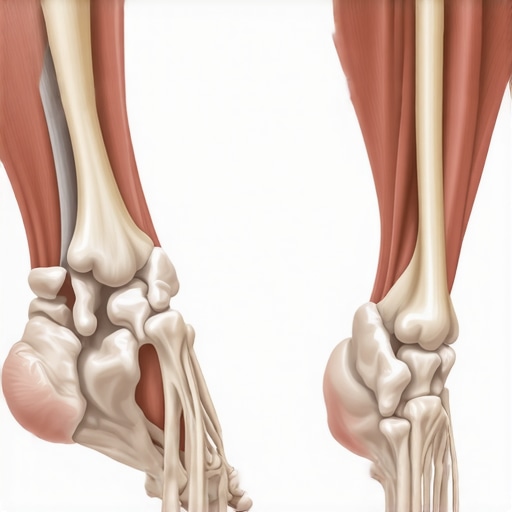
It hit me one morning — I was stretching, trying to loosen up, when I suddenly realized my hip ache was worse than usual. Not just a dull discomfort, but a sharp twinge that made every step feel off. That was my lightbulb moment: truly understanding the connection between my flat feet and that nagging hip pain changed everything. Before, I’d just chalked it up to aging or overexertion. But the truth was, my collapsed arches were silently pulling on my entire lower body alignment, leading straight to my hips.
The Surprising Link Between Your Feet and Hip Pain
Many people overlook how much our feet impact our overall posture and mobility. That’s because the foot’s arch acts like a foundation for the entire body. When the arches are flat or collapsed, it throws off the way we distribute weight when we stand, walk, or run. Instead of a smooth, balanced stance, your body compensates, often resulting in misaligned hips, knees, and even lower back issues.
It’s not just about feeling uncomfortable — studies show that flat feet can contribute to hip pain by altering gait and increasing stress on the hip joints. I remember early on making the mistake of ignoring my foot issues, thinking a good pair of shoes or stretching would fix it. But that was a mistake. Proper diagnosis and targeted mobility work made a world of difference. If you’re tired of pain that seems to spread and grow, chances are your foot health plays a role.
For more on how proper adjustments can help realign your posture, take a look at [this article](https://quackersneck.com/how-chiropractic-adjustments-enhance-posture-and-mobility). Addressing the root cause, instead of merely treating symptoms, is the key to lasting relief.
Now, you might be skeptical — can your foot shape really cause issues up at the hips? That’s what we’re going to explore next. I’ll share practical steps that helped me, and countless others, to regain mobility and say goodbye to persistent pain.
Is Your Hip Pain Just Muscle Strain, or Something More?
I made the mistake early in my journey by only focusing on the hips, thinking it was a local problem. If only I had known then, what I advocate now: that ignoring foundational issues like foot arch integrity can keep problems from ever truly resolving. A proper assessment from a skilled chiropractor or mobility expert can reveal these hidden misalignments. And the good news? Small, targeted adjustments can result in significant improvement.
Ready to dive into the specifics? Let’s explore how your feet might be silently pulling your hips out of alignment — and what practical steps you can take today to start fixing it.
Assessing Your Foot Arch
Start by examining whether your arches are flat or collapsed. Sit on a chair, place a mirror in front of you, and observe your feet. If your entire sole contacts the ground and your arch appears low or nonexistent, you likely have flat feet. Performing a simple wet footprint test —wetting your foot and stepping onto a flat surface— can also reveal your arch type, as a flat arch leaves a broad imprint. I personally did this in my bathroom, looking at the print afterward and realizing my arches were significantly collapsed, which explained my hip pain.
Introducing Proper Foot Mobility Exercises
Next, incorporate specific exercises that strengthen and mobilize your foot arches. Think of your feet as the foundation of a building; if the foundation is weak or unstable, the entire structure suffers. To activate your intrinsic foot muscles, try towel curls—place a towel on the floor and use your toes to scrunch it toward you, then push it away. I added this to my daily routine, noticing my arches gradually became more supported, leading to improved pelvic alignment over a few weeks.
Choosing Supportive Footwear
Select shoes that enhance your arches rather than flatten them. Look for footwear with a firm midsole and avoid overly cushioned shoes that can weaken your foot muscles over time. I replaced my soft-soled sneakers with supportive ones, which provided a more stable base. Remember, the right shoe can act as a temporary crutch, but strengthening your arches ensures long-term benefits. For additional guidance, check out how ankle mobility impacts your entire posture.
Implementing Home Mobility Drills
Integrate mobility drills that target your calves, ankles, and foot muscles. Simple movements like ankle circles, heel raises, and toe stretches improve flexibility and support the arch. For instance, I performed ankle circles every morning, and within days, I felt my stability improve, reducing compensatory tension up the chain, including my hips. These exercises are quick and effective, especially when done consistently. For a comprehensive routine, visit mobility techniques that enhance your gait.
Getting Professional Support
If you suspect significant structural issues or persistent pain, consult a specialist. A chiropractor can evaluate your foot structure and may perform adjustments to restore proper alignment. Sometimes, a small manipulation can unlock your foot’s natural arch function. I remember a session where my chiropractor used manual techniques to mobilize my ankle and foot, leading to noticeable relief not just in my feet but also in my hips. For more on how chiropractic adjustments can assist, explore how adjustments improve overall posture.
Many individuals believe that perfect posture is about maintaining a rigid, perfectly upright stance at all times, but this is a simplification that overlooks the nuanced reality of functional movement. In reality, posture isn’t a static goal but a dynamic balance that adapts to activity, fatigue, and individual anatomy. Rigidly trying to hold a textbook-perfect posture can actually lead to increased tension and muscle strain, counteracting the intended benefits. Instead, focusing on maintaining optimal mobility and graceful alignment throughout daily movements yields better results and less discomfort.
A common trap many fall into is assuming that chiropractic adjustments are a quick fix for all postural issues. While adjustments can temporarily restore joint mobility, relying solely on them without addressing underlying habits or mobility deficits is a mistake. Think of adjustments as resetting a machine; if the underlying parts aren’t maintained, the misalignment will recur. According to research by the International Journal of Chiropractic Medicine, combining adjustments with mobility exercises and postural awareness produces more sustainable improvements. Therefore, integrating active movement and self-care routines is essential for long-term posture health rather than viewing adjustments as a one-and-done solution.
Another misconception pertains to the use of external supports like braces or orthotics. Many believe that wearing a brace will correct poor posture or fix structural imbalances. However, over-reliance on external supports can cause muscles to weaken over time, because they are not being engaged to support your posture naturally. Instead, they act as crutches, masking the underlying mobility or strength deficiencies. Developing intrinsic stability through targeted mobility and strengthening exercises leads to more durable improvements, as I’ve seen in my practice and personal experience.
Are mobility exercises enough to fix postural problems for advanced cases?
This is a great question for those who’ve been working on mobility and still experience persistent issues. While mobility work is crucial, some advanced cases involve structural adaptations, chronic compensations, or nerve entrapments that require a more comprehensive approach. In such situations, a tailored strategy that combines chiropractic adjustments, targeted mobility drills, and sometimes even soft tissue work is necessary. Consulting with an experienced practitioner ensures that you’re not missing hidden issues like nerve restrictions, which can be subtle yet impactful. For insights into how chiropractic care can support this multifaceted process, check out how adjustments enhance posture and mobility.
Remember, effective posture management is about understanding the complex, interconnected systems of the body. Relying solely on superficial fixes or misconceptions can prolong discomfort instead of ending it. If you want to dive deeper into practical strategies for improving mobility and posture, explore practical chiropractor strategies. Do you ever fall prey to these myths? Share your experiences or questions in the comments — let’s break free from misconceptions and build lasting health together!
Maintaining optimal posture and mobility over the long term requires more than just occasional stretching or adjustments; it calls for reliable tools and consistent routines. One of my go-to instruments is a foam roller, specifically the 36-inch RumbleRoller. I use it daily to release tightness in my upper back and hips, which helps sustain the gains from chiropractic sessions. The textured surface allows for targeted trigger point therapy, which is essential when combating persistent muscle knots. Incorporating a foam roller into your routine can significantly enhance tissue quality and prevent stiffness, as detailed in my article on mobility techniques that enhance your gait.
Another tool I swear by is a resistance band set, particularly the loop bands. I utilize them for activation exercises like clam shells or hip bridges before my workout or daily mobility drills. Resistance bands are inexpensive, portable, and versatile, making them ideal for reinforcing strength in the muscles that support the foot arch and pelvis alignment, which are crucial for long-term posture health. To learn how to incorporate resistance bands effectively, check out targeted mobility exercises.
Digital tools shouldn’t be overlooked. I regularly use a posture reminder app like UPRIGHT GO. This small device attaches to your upper back and gently vibrates to alert you when you’re slouching. Automating awareness is vital; studies suggest that consistent feedback encourages healthier movement habits. Over weeks, this fosters automatic posture corrections, reducing the reliance on manual adjustments.
Finally, the use of a mirror, especially a full-length one, remains invaluable. Visual feedback helps me correct subtle misalignments during my daily routines. Observing your posture in real-time is a practical way to reinforce proper positioning and prevent ingrained habits that can undo your mobility gains.
Where do I see this evolving? Wearable technology with biofeedback capabilities will only improve, providing real-time, personalized insights and adjustments. The integration of AI-driven posture coaching could become commonplace, making it easier than ever to keep your body working effectively.
How do I maintain my posture long-term? Consistency is king. Incorporate these tools into your daily routine, and don’t forget to schedule periodic check-ins with a professional for tailored advice. For a comprehensive routine, revisit practical chiropractor strategies.
If you’re serious about sustaining real change, I recommend trying one of these tools today—like incorporating a foam roller session before bed. Small, consistent steps make all the difference in long-term success.
Lessons I Learned That Changed My Approach to Mobility and Posture
The biggest revelation was realizing that quick fixes—like sudden stretches or mere adjustments—only masked deeper issues. True progress came when I embraced consistent mobility routines, understanding that posture is an ongoing journey rather than a finish line.
Secondly, I discovered that foundational support starts from within. Strengthening my arches through targeted exercises created a ripple effect, improving my hips, back, and overall alignment. It’s a reminder that sometimes, the real power lies in seemingly minor daily habits.
Lastly, I learned that patience outweighs intensity. Lasting change in posture and mobility develops gradually. Respecting this pace helped me stay committed, preventing frustration and fostering a genuine, pain-free life.