
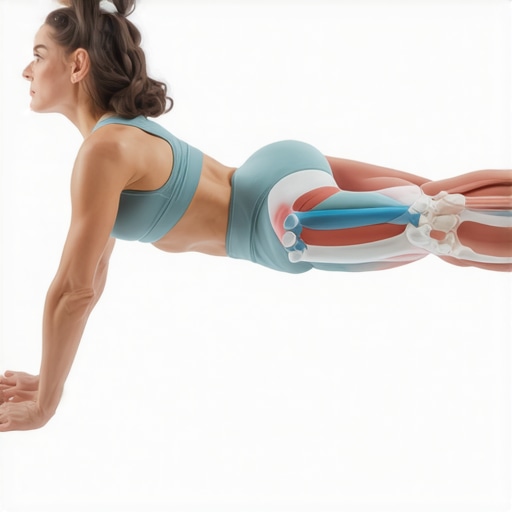
I remember the exact moment I realized my side planks weren’t as beneficial as I thought—they were actually causing me more discomfort than gains. It was a frustrating experience, especially since I was eager to boost my core strength and improve my posture. But instead of feeling empowered, I found myself limping out of my workout, my hip aching like I’d been kicked. That lightbulb moment made me dig deeper into the root cause of this issue.
If you’ve ever experienced that uncomfortable pinch in your hip when trying to master a side plank, you’re not alone. Many people, even those who are fitness-savvy, stumble upon this problem. The good news? It’s fixable. Today, I want to share the insights I’ve gathered from personal trials and expert advice—the common mistakes, the overlooked mobility issues, and simple adjustments that can make a significant difference. We’re diving into why your hip might be acting up and what you can do to enjoy your side planks without the pain or pinch.
The Hidden Reason Your Hip Reacts During Side Planks
When I first started practicing side planks regularly, I thought my core was doing all the work. But the reality was different. My hip’s reaction wasn’t about strength alone; it was about mobility—specifically, how flexible and prepared my hips and surrounding muscles really were. Early on, I made the mistake of ignoring the importance of proper mobility and posture alignment, focusing only on holding the position longer. That oversight caused the irritation I felt every time I crunched into a plank.
What I didn’t realize was that tightness or stiffness in certain areas—like my hips, pelvis, or your lumbar spine—can cause uneven load distribution, leading to pinching sensations. Actually, pelvic and hip mobility are crucial for sustainable side plank practice. The good news is, simple mobility hacks and targeted movements can unlock a smoother, pain-free experience. Want to explore some effective ways that helped me? Check this out for expert tips on daily mobility adjustments that can make a difference.
Before we jump into the practical steps, let’s address a common fear: “Is this mobility stuff actually worth it?” Many skeptics worry that mobility exercises are just trendy fluff. From my own journey, I can tell you — neglecting mobility is like trying to build a house on shaky ground. It’s only a matter of time before things start cracking. In fact, improper mobility is often linked to persistent pain and injury, including those uncomfortable pinches during core exercises. Understanding and addressing your mobility gaps can be a game changer.
Is Fixing Hip Pinches a Fashion or Necessity?
Early in my quest, I made the mistake of dismissing the importance of mobility, thinking strength alone would do the trick. That was a costly oversight — fixing mobility issues is no gimmick; it’s backed by solid research. A study published in the Journal of Bodywork and Movement Therapies highlights how improved hip mobility dramatically reduces joint pain and improves functional movement. So yes, it’s time to get serious about the mobility habits that can deliver lasting results. Are you ready to unlock the pain-free side plank? Let’s explore the practical steps to get you there.
If this resonates with you, keep reading. We’ll walk through simple, proven adjustments that will help you move better and perform safer. Remember, a small change in your routine can make all the difference. And if you’re curious about where to start, don’t forget to visit this guide for targeted exercises you can do today.
Spot the Movement Traps That Keep Your Hips Tight
During a recent session, I noticed my hips locking up during a side plank, causing discomfort. To fix this, I first **assessed my hip mobility**. Stand in front of a mirror, lift one knee toward your chest, then slide it outward to the side, like opening a gate. If this feels stiff or resistant, it signals restricted mobility. Regularly doing this move is like oiling a squeaky hinge — it ensures smoother motion and less strain during exercises.
Activate the Bones and Muscles with Proper Alignment
Imagine your pelvis as a house’s foundation. If it’s tilted or misaligned, every movement feels off. To correct this, start with a simple drill: lie on your back, bend your knees, and gently rock your pelvis back and forth. This unlocks stuck joints. Once you’ve identified tight spots, focus on **imagining your bones connected by strings**—keeping them aligned during exercises prevents pinches and ensures even load distribution.
Layer Mobility Exercises Into Your Daily Routine
Once I committed to daily mobility hacks, my side plank pain diminished. Incorporate movements like hip circles or pigeon stretches, which act as the release valves for tight areas. For example, perform 10 gentle hip circles each morning — this acts like flushing out a clogged pipe, restoring smooth flow and reducing pinching sensations. Regular movement keeps tissues flexible, much like a rubber band that stretches without snapping.
Use Targeted Drills to Loosen Up
One effective tactic is the 90-90 stretch, which resembles opening a door. Sit on the ground with one leg forward, knee bent at 90°, and the other to the side, also at 90°. Lean gently into the stretch, aiming to keep the pelvis square. This stretch targets internal and external hip rotators, just like oiling all moving parts to prevent squeaks. Remember to breathe deeply — this encourages relaxation, making the stretch more effective.
Leverage Correct Posture to Reinforce Mobility Gains
My breakthrough came when I adjusted my sitting posture. Think of your spine as a stack of blocks—each needs to be aligned properly. Use the “3-point check”: ensure your ears, shoulders, and hips are in a straight line while sitting. Then, engage your core gently to support this alignment. Doing this consistently acts like tightening the wires in a suspension bridge — stabilizing the structure and preventing collapse or uneven load on your hips during plank exercises.
Practice Alignment Before Every Workout
Before hitting the mat, take two minutes to reset your posture. Stand tall, with feet shoulder-width apart, and imagine a string pulling the top of your head upward. As I did this before each session, I noticed my hips no longer pinched during planks — it’s like giving your body a fresh reset each time. This simple act primes your nervous system, cueing muscles to work together, much like an orchestra tuning before a performance.
Integrate Functional Movements for Long-Term Relief
Functional movements mimic daily activities, reinforcing mobility that lasts. One I love is the “hip hinge,” which involves bending at the hips while keeping your back straight — similar to a supermarket checkout clerk reaching for a basket. Practice this daily to build strength and flexibility simultaneously. When I added this to my routine, I felt less strain during side planks, as my hips moved freely, much like a well-oiled door.
Remember, consistent, targeted mobility work is the cornerstone of pain-free planks. Exploring mobility adjustments and integrating these drills into your routine can prevent injuries and enhance your core stability over time. Keep moving, stay aware of your alignment, and watch your discomfort fade away.
Many people assume that the key to better posture and pain relief lies solely in immediate fixes like quick chiropractic tweaks or stretching routines. While these can offer temporary relief, the deeper truth is that most misunderstandings about posture adjustments and mobility often lead to setbacks rather than progress. Contrary to popular belief, not all adjustments are beneficial if done without proper context, and over-reliance on mobility drills without understanding underlying causes can create more harm than good.
One widespread myth is that if you experience relief right after an adjustment, your problem is solved. However, this “quick fix” mentality can trap you into constant dependency on professional interventions, overlooking the importance of building foundational mobility and strength. Research in the Journal of Manipulative and Physiological Therapeutics emphasizes that adjustments should be part of a comprehensive mobility and posture strategy, not the sole focus.
Another misconception is that static stretches alone are sufficient to correct mobility issues. In truth, dynamic movements and layered mobility exercises address tissue quality, joint health, and neural patterns more effectively when performed correctly. For instance, performing passive stretching may sometimes reinforce habits of overstretching, compromising joint stability. To optimize mobility, it’s crucial to integrate functional, movement-based drills that mimic daily activities.
Beware of the trap known as “mobility masquerading as flexibility.” Many confuse flexibility with mobility. Flexibility refers to the length of muscles, while mobility involves the capacity of joints and tissues to move freely through their full range. True mobility requires strength, coordination, and neuromuscular control, not just lengthening muscles. Focusing solely on flexibility can lead to joint instability and injury, especially if the muscles are lengthened without corresponding stability training. An insightful review in the Chiropractic & Manual Therapy Journal notes that balanced mobility and stability are fundamental to sustainable posture improvement.
Furthermore, many assume that mobility and adjustments are only necessary for those with chronic pain. In reality, proactive mobility routines and posture assessments can prevent pain before it starts. Streamlining daily habits—like ergonomic workspace setup, mindful movement, and targeted exercises—creates a resilient musculoskeletal foundation.
Now, for the advanced practitioners and experienced readers, consider this: How do neural pathways adapt during mobility training, and what role does proprioception play in maintaining postural correction? Deepening your understanding of sensorimotor integration is crucial for lasting improvements. Experts suggest that retraining the nervous system to recognize optimal movement patterns is as essential as mechanical adjustments. Studies exploring neuroplasticity, such as those in the Neuroscience Today, reveal promising strategies for integrating sensory feedback into long-term posture correction.
Always approach adjustments and mobility with a comprehensive, educated mindset. Avoid the trap of superficial fixes and invest in layered, scientifically-backed practices that target your unique needs. Want more tailored advice? Reach out through this contact page to connect with experts who can help you optimize your mobility and posture journey. Have you ever fallen into this trap? Let me know in the comments.
Keeping It Working: My Go-To Tools for Long-Term Success
Maintaining optimal mobility and posture over time demands more than just occasional stretches; it requires reliable tools that support consistent progress. Personally, I’ve found that integrating specific equipment and routines into my daily habits has made a tangible difference in my ability to stay pain-free and mobile. One of my essential tools is a high-density foam roller. I use it regularly to target my fascia and release tension in my hips, back, and legs, which are critical areas for maintaining proper alignment. The foam roller helps me prevent stiffness from setting in, especially after long periods of sitting or intense workouts.
Another indispensable item is a pair of resistance bands tailored for mobility work. I utilize them for targeted stretches and strengthening exercises that improve joint stability—vital for long-term posture correction. Unlike static stretching alone, these bands add gentle resistance, reinforcing neuromuscular pathways and ensuring that mobility gains translate into functional strength. For instance, incorporating banded hip mobilizations can significantly reduce pinching sensations during side planks.
For my daily routine, I rely on a simple yet effective set of mobility drills recommended in mobility hacks. These include hip circles, pigeon stretches, and wall slides. I’ve optimized my environment by setting up a dedicated space with a yoga mat and minimal distractions—making it easier to stick with consistency. Consistent use of these tools and exercises creates a reinforcing feedback loop, gradually retraining my body to move freely and confidently.
Looking ahead, I predict that wearable tech, like smart posture sensors, will become a staple in long-term mobility maintenance. These devices can provide real-time feedback, alerting you to poor habits before they turn into painful patterns. Already, some apps track your movement quality and suggest tailored adjustments, helping you stay on track even when expert guidance isn’t immediately available.
How do I maintain mobility and posture over time? The key is integrating these tools into a sustainable routine. I recommend scheduling daily mini sessions with your foam roller and resistance bands, focusing on areas where you feel tightness or discomfort. Pair this with mindful posture checks throughout the day, like the four-point posture check. By combining equipment, habits, and awareness, you create a resilient foundation for lasting health and mobility. For more advanced strategies, try incorporating targeted drills from this guide, which has helped many transition from pain to free movement. Remember, consistency is your best ally in this journey—small daily actions compound into significant long-term results.
Unlocking Hidden Truths About Mobility That Changed My Approach
One of the most profound lessons I learned was that mobility isn’t just about stretching; it’s about understanding my body’s unique needs and honoring its natural movement patterns. Realizing that tight hips could be a sign of deeper neural or muscular imbalances shifted my focus from superficial fixes to integrated movement strategies.
Another insight was the importance of patience. Instant relief is appealing, but genuine, lasting improvements require consistent effort and understanding that your body needs time to adapt and heal. This perspective helped me avoid frustration and stay committed to my mobility routine.
My Personal Selection of Tools That Truly Make a Difference
I rely heavily on a high-density foam roller for fascia release, which I find essential for preventing stiffness and supporting mobility recovery. Resistance bands have become my go-to for strengthening and maintaining joint stability; their versatility allows me to target specific areas with controlled resistance.
Additionally, I incorporate targeted mobility drills from trusted sources like this comprehensive guide to ensure I follow evidence-based routines designed to promote long-term health.
Your Next Step Towards Lasting Posture & Mobility Gains
Embrace the journey with confidence, knowing that small, deliberate actions—like integrating daily mobility drills, maintaining proper alignment, and using dependable tools—are building blocks for a pain-free, stronger body. Remember, your progress is unique, and being proactive now can prevent future setbacks. If you’re ready to deepen your understanding, check out this in-depth resource that can guide you step-by-step.
What’s one mobility habit you’re excited to try or improve? Share your plans below—I’d love to hear about your journey!