

Have you ever felt that inevitable pull forward every time you carry a heavy backpack? I remember the first time I truly noticed it. I was trekking up a hill with what I thought was a perfectly balanced pack, only to find myself leaning dangerously forward, struggling to keep my balance. It was a lightbulb moment for me—this leaning not only made the hike harder but also left me with a sore back and neck the next day. Realizing this was a red flag, I started digging into ways to carry weight without sacrificing posture.
Why Carrying a Heavy Backpack Shouldn’t Make You Lean Forward
Carrying heavy loads is a necessary part of life, whether you’re a student, a hiker, or someone commuting with work gear. But the way you carry your backpack can dramatically impact your body’s health. When the weight pulls you forward, your muscles, ligaments, and spine compensate, often leading to poor posture and long-term issues. This isn’t just about discomfort; it’s about avoiding chronic pain, joint strain, and even nerve issues down the line.
Surprisingly, studies have shown that poor backpack ergonomics can increase spinal stress, similar to the effects of slouching for hours every day. That’s why I want to share some effective tips I’ve personally tested and refined, which help distribute the load more evenly and keep you upright. Once you understand the root cause, you can avoid common mistakes and start carrying smarter straight away.
If you’ve ever found yourself hobbling home after a long day with that familiar ache in your shoulders or back, you’re not alone. My goal is to equip you with practical strategies that have made a real difference for me—and thousands of others—so you can stay active and pain-free. And yes, it’s easier than you think!
Will these tips really make a difference? Doubters might ask…
In my early days, I made the mistake of just tightening the straps without adjusting how I loaded the pack. That only intensified my leaning and discomfort. It took some trial and error, but I discovered that small adjustments and proper load distribution can vastly improve your posture. Trust me, the difference is night and day. Want to learn how to do this effectively? Stay tuned, because we’re about to dive into the practical steps that will help you maintain your upright posture, no matter how heavy your pack gets. For more insights on improving your mobility and posture, you might find this posture guide very helpful. Ready to transform how you carry your load? Let’s get started!
Distribute Weight Evenly
Begin by organizing your load so that heavier items sit close to your back and towards the center. When I carried my backpack with groceries, I made sure the heaviest bags were pressed against my spine, which instantly reduced forward lean during my walk. Use luggage straps or internal compartments to keep items snug, preventing shifting that can cause imbalance.
Adjust Straps for a Perfect Fit
Secure Shoulder Straps
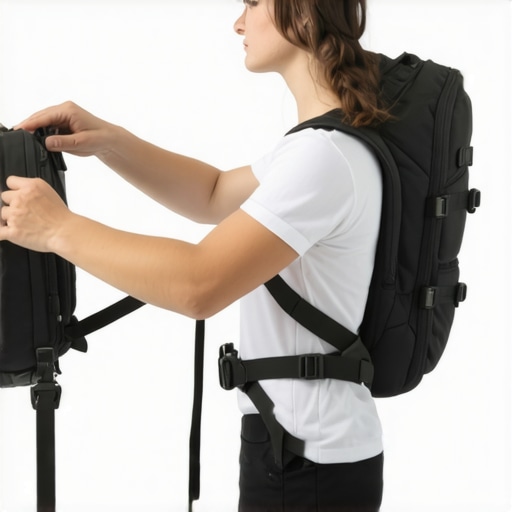
Ensure straps are snug but not tight. They should hold the pack close to your body without digging into your shoulders. I once wore loose straps that caused my backpack to sag and pull me forward. Tightening straps so that the pack sits high on your back minimizes leverage that pulls you forward, promoting upright posture.
Sternum and Waist Straps
Engage these additional straps to stabilize the pack. The sternum strap prevents side-to-side sway, while the waist strap distributes weight over your hips, alleviating shoulder strain. I found that without these, I leaned forward more, but after buckling them properly, my posture improved noticeably.
Maintain a Neutral Spine During Loading
When putting on your backpack, hinge at your hips and keep your back straight. Think of your spine as a tree trunk—stable and upright. I personally learned this when I bent my knees and kept my back flat, which made the process easier and kept my posture intact. Avoid twisting or bending your neck downward while pulling straps, as this can reinforce bad habits.
Practice Proper Weight Limits
Never overload your backpack. A good rule of thumb is keeping the weight below 10-15% of your body weight. In my experience, exceeding this threshold increased my tendency to lean forward. Regularly declutter your pack to avoid unnecessary weight, aiding in maintaining balance and reducing strain.
Incorporate Mobility Exercises
Enhancing your spinal and shoulder mobility supports better load management. Simple drills like shoulder rolls and thoracic rotations loosen tight muscles and improve posture. I implemented a daily mobility routine from this guide, which made carrying even heavy packs feel easier and less taxing on my back.
Seek Professional Guidance if Needed
Persistent discomfort or poor posture despite these adjustments may indicate underlying issues. Consult a chiropractor or posture specialist to assess your alignment and develop individualized strategies. I once visited a chiropractor who showed me specific exercises and adjustments that drastically improved my posture, especially during load-bearing activities.
Consistent Practice and Awareness
Making these habits part of your routine ensures long-term benefits. Regularly check your load distribution, adjust straps before wearing, and stay mindful of your posture throughout the day. Like with my experience, persistent attention turned a painful habit into an effortless practice, keeping me upright and pain-free during daily tasks.
Many of us assume that regular chiropractic adjustments or simple stretching routines are the ultimate solutions for bad posture and limited mobility. However, this belief can be misleading, and in some cases, even counterproductive. \n\nLet’s dig deeper into what most people get wrong about these topics by examining nuanced truths that go beyond the surface. For example, a prevalent myth is that frequent cracking or popping sounds during chiropractic adjustments indicate immediate improvement. Yet, according to a study published in The Journal of Manual & Physiological therapeutics, these sounds are often a byproduct of joint cavitation and don’t necessarily correlate with enhanced function or pain relief.\n\nAnother common misconception is that static stretching holds the key to increasing flexibility for better posture. In reality, research shows that dynamic mobility exercises, which involve active movements, are significantly more effective in improving joint function and reducing stiffness over time. For instance, incorporating targeted mobility routines can unlock hidden potential that passive stretching simply can’t match.\n\nBeware of the trap of believing that chiropractors are the sole experts responsible for your posture correction. While professional adjustments can be beneficial, the real progress often hinges on consistent self-care practices, including proper load distribution, mindful movement, and lifestyle modifications. Many patients overlook that long-term benefits come from integrating these habits into daily routines, as discussed in this detailed guide.\n\nSo, what about the advanced nuances? One intricate aspect involves understanding how breathing patterns influence spinal stability and muscle activation. For example, deep diaphragmatic breathing can optimize core engagement, thereby supporting better posture and reducing undue stress on spinal joints. A study in The Journal of Bodywork and Movement Therapies highlights this connection, emphasizing that posture isn’t just a physical alignment but also involves neural and respiratory coordination.\n\nHave you ever fallen into this trap? Let me know in the comments. Maintaining awareness of these subtleties can elevate your approach from basic to expert, enabling lasting improvements in mobility and posture. Remember, true mastery involves continuous learning and mindful application of these insights to your daily habits.Maintaining your improved posture and mobility over time requires more than just knowledge; it demands the right tools and consistent practice. Personally, I rely heavily on specific equipment and routines that keep my body aligned and mobile. One device I swear by is the **foam roller**, especially the high-density variety. It helps me release tension in my thoracic spine and open up my chest, which are crucial for combating the common slouch caused by prolonged sitting. I use it daily after my mobility routine, targeting areas that tend to tighten up, like the upper back and hips. Incorporating a foam roller into your daily routine can prevent postural regressions and prepare your body for more advanced mobility exercises.
The Hidden Lessons from My Struggles with Posture
One of the most eye-opening experiences was realizing that no matter how much I adjusted my straps or reorganized my pack, the real breakthrough came when I understood the significance of core strength and habitual awareness. I learned that persistent small tweaks, like mindful breathing and regular mobility checks, can prevent back pain and promote effortless uprightness. This personal journey taught me that sustainable posture correction isn’t about quick fixes but about integrating mindful movement habits that last a lifetime.
The Toolbox That Keeps Me Moving Forward
For anyone serious about long-term mobility and posture, I highly recommend exploring some key resources. First, targeted mobility routines are game-changers—they unlock tension and boost spinal resilience. The book Becoming a Supple Leopard by Dr. Kelly Starrett offers practical techniques rooted in mobility science, making it a cornerstone reference. Additionally, consulting with a knowledgeable chiropractor who understands your lifestyle can personalize these strategies—trust me, personalized advice makes all the difference. Lastly, incorporating simple tools like foam rollers enriches your routine and prevents regressions, turning mobility into a daily self-care ritual that sustains your gains.
Your Next Step Toward a Pain-Free Future
Remember, improved posture and mobility are not just habits you develop overnight—they’re a lifelong journey. Embrace these insights, keep experimenting with the strategies that resonate with your body, and don’t hesitate to reach out for professional guidance through connective support. Your collective effort today sets the foundation for a healthier, more active tomorrow. So, what is the first small change you’ll make to carry your load smarter and stand taller? Share your plan below—I’d love to hear your story!