
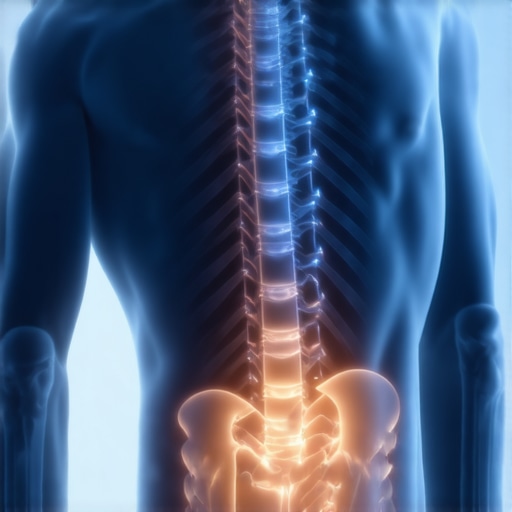
I remember the moment clearly—standing in my bathroom at 6 a.m., groggy and stiff, when I realized that my persistent back pain wasn’t just about posture or muscle tightness. It was like my gut was whispering, “Hey, I might be part of this too.” For years, I’d battled lower back aches that seemed to have no rhyme or reason, spending countless hours stretching and visiting chiropractors, yet nothing truly stuck. Then, a lightbulb went off: Could my digestive health be influencing my back? That realization changed everything.
Discovering the Gut-Back Connection
Another day, after an especially uncomfortable night, I dug into some research and found studies indicating a surprising link between gut health and back pain. According to a report published in the Journal of Pain Research, an imbalance in gut microflora can lead to increased systemic inflammation, which, in turn, is associated with chronic pain conditions—including back discomfort. It’s not just coincidence; our gut and spine seem to be more connected than we once thought.
Have you ever wondered why some people seem to suffer from back pain despite not engaging in any obvious injury or overexertion? Or why certain foods can trigger flare-ups? Well, I’ve been there, too. And I want to share my journey from frustration to understanding, so you don’t have to go through the same loop.
Is It Really Worth the Hype? A Common Skeptic’s View
Early on, I dismissed these ideas as another health fad—until I made a crucial mistake. I focused solely on mechanical causes, neglecting my diet and digestive habits. That oversight kept my issues lingering far longer than they needed to. It was only when I started paying attention to my gut and integrating simple mobility and posture strategies—like the ones I found in this [chiropractic adjustments guide](https://quackersneck.com/how-chiropractic-adjustments-enhance-posture-and-mobility)—that I saw real progress.
So, if you’ve been grappling with stubborn back pain, perhaps it’s time to consider your gut as part of the puzzle. In the sections ahead, I’ll walk you through practical steps and expert tips that helped me connect the dots—empowering you to take charge of your mobility and overall well-being.
Start with Daily Mobility Exercises
In my messy attempt to reduce back pain, I began with simple mobility drills that took just five minutes each morning. One effective move was the pelvic tilt—lying on my back, gently rocking my pelvis to gently mobilize the lower spine. This helped loosen tight muscles and set the tone for better posture throughout the day. Consistency was key, and over a week, I noticed reduced stiffness. You can explore targeted routines like simple mobility adjustments that fit into your daily schedule.
Incorporate Dynamic Warm-Ups
Before any physical activity, perform dynamic stretches such as leg swings or arm circles. I once skipped this, thinking static stretching was enough, but I ended up pulling a muscle. Dynamic warm-ups increase blood flow and prepare your joints for movement, reducing injury risk. Think of it like priming a machine—it runs smoother afterward. Use these simple routines to prepare your body for movement.
Implement Posture-Enhancing Techniques
While working at my desk, I realized my hunched shoulders were making my back worse. I adjusted my workstation using advice from ergonomic setups, raising my monitor to eye level and using a supportive chair. I also practiced conscious postural checks every hour, reinforcing proper alignment. This constant self-awareness shifted my natural posture from a slouch to a more upright position, easing strain. Regular posture checks can prevent bad habits from setting in.
Practice Targeted Mobility for Specific Areas
I had recurring tightness in my hips, which aggravated my lower back. I started doing hip mobility drills—like the 90-90 stretch—that loosened tight hip flexors and relaxed lumbar compensations. These targeted movements address the root causes rather than just symptoms. I dedicate a few minutes daily to these exercises, noticing improved movement and pain reduction.
Learn to Self-Adjust Safely
One breakthrough for me was understanding how to perform gentle self-adjustments. I watched tutorials from trusted sources and practiced controlled movements, like the thoracic spine rotations. I felt immediate relief from tension and improved backbone awareness. However, I was cautious and avoided aggressive manipulations. Proper technique, like in chiropractic adjustments, can often be done at home with controlled movements, but consulting a specialist is recommended before attempting any advanced techniques.
Maintain Consistency and Listen to Your Body
In my journey, I learned that progress demands consistency. Some days I felt sore or tired, but I pushed through with gentle movements instead of forcing my body. Tracking your progress helps—notice which exercises alleviate pain or stiffness and adapt accordingly. The path to better mobility and posture isn’t linear, but persistent effort yields results.
Many people assume that maintaining good posture is solely about stiffening their muscles or following strict ergonomic rules. However, this oversimplifies the dynamic nature of mobility and ignores the crucial role of neuromuscular control. For instance, myths such as “Only tight muscles need stretching” can lead to neglecting weaknesses or joint restrictions that actually impair movement. In my experience, a common mistake is viewing chiropractic adjustments as quick fixes—while they can provide immediate relief, their true benefit lies in restoring proper joint function, which then supports effective mobility exercises. Overlooking the importance of neural connectivity can also hinder progress; as Dr. Peter J. D’Adamo emphasizes, enhancing nervous system communication often yields better posture and mobility outcomes than passive treatments alone.
A significant ‘oops’ to watch for is assuming that static stretching alone improves flexibility and reduces pain. Recent studies suggest that incorporating controlled, active mobility drills produces more sustainable improvements and prevents re-injury. Relying solely on passive stretching can sometimes exacerbate issues if joint restrictions or neuromuscular patterns aren’t addressed concurrently.
What advanced strategies can optimize your mobility routines beyond basic stretching and adjustments?
Integrating proprioceptive training and functional movement patterns is key. For example, targeted stability exercises, like the ones discussed in mobility hacks for daily adjustments, reinforce motor control and help engrain proper movement habits. These techniques challenge the nervous system and promote adaptive plasticity, leading to lasting improvements in posture and movement efficiency. Moreover, understanding the intricate connection between joint mechanics and the nervous system can make your routine more effective—aiming for a holistic approach rather than isolated remedies.
Aside from technical execution, being wary of the temptation to push through discomfort during mobility work is essential. Pain serves as a signal; ignoring it can lead to microtrauma or chronic conditions. The goal is to inform your practice with awareness, not override natural feedback.
Have you ever fallen into this trap? Let me know in the comments. Remember, mastery in mobility and posture isn’t just about performing exercises—it’s about understanding the nuanced interplay between tissues, nerves, and movement habits. For a deeper dive into these insights, I recommend exploring this comprehensive guide.Maintaining optimal mobility and posture over the long term requires the right tools and consistent routines. One of my favorite investments is a high-density foam roller. I personally use a **72-inch Foam Roll** because it provides ample surface area to target large muscle groups like the quadriceps, hamstrings, and back, helping to release fascia restrictions that can impede movement. Regular use of a foam roller not only alleviates muscle tightness but also enhances blood flow, promoting quicker recovery and sustained flexibility.
Alongside physical tools, I rely heavily on digital resources. Apps like **MobilityWOD** (now part of GOWEEK) have been game-changers for me. They offer guided routines tailored to different needs—be it posture correction, injury prevention, or daily maintenance. I specifically appreciate how these apps break down movements into manageable steps, making consistency easier to sustain.
As for software, tracking your progress with a simple spreadsheet or a dedicated app like **MyFitnessPal** helps you stay accountable. Logging daily mobility exercises, noting improvements, and adjusting intensities prevent plateaus and keep motivation high. I’ve found that visual progress charts can be especially motivating—seeing how far you’ve come encourages ongoing commitment.
Looking ahead, the trend is leaning towards more integrated solutions—wearable sensors providing real-time feedback on posture and movement patterns. Companies like *Nuralogix* are developing AI-powered devices that can monitor your spinal alignment during daily activities, making maintenance more proactive rather than reactive.
## How do I keep my posture and mobility routines effective over time?
The key is consistency paired with strategic variation. Incorporating tools like foam rollers two to three times a week helps maintain fascia flexibility, while daily mobility drills focus on neuromuscular retraining. Remember, no tool is a magic bullet—it’s about how you use them regularly. For a comprehensive guide on integrating these tools effectively, check out this resource on chiropractic and mobility synergy.
One advanced tip I recommend trying is the **band-assisted shoulder mobilization**. Using a resistance band to gently pull your arm across your chest, you can improve shoulder range of motion while maintaining control. This simple addition can make a noticeable difference in your daily movement quality. Give it a shot today and see how small, consistent actions lead to significant long-term results.
Through my journey, I uncovered that the most overlooked aspect of back pain might be lurking deep inside your gut. Embracing this insight transformed my approach, revealing that improving digestion and gut health can profoundly influence your spinal wellness. This discovery encouraged me to look beyond the usual stretches and adjustments, understanding that a balanced gut reduces systemic inflammation, paving the way for sustained back comfort.
Lessons the Spine Never Tells You
- Don’t underestimate your digestion: Chronic bloating or irregular bowel movements could be subtly contributing to your back pain. When I prioritized gut health—through mindful eating and probiotics—I noticed a significant decrease in inflammation and discomfort.
- Clean eating is more than just a trend: Incorporating anti-inflammatory foods like turmeric, berries, and leafy greens helped my body heal from within, improving posture stability and reducing muscle tension.
- Holistic care accelerates recovery: Combining digestive health with targeted mobility exercises and ergonomic adjustments created a synergy that transformed my back health. Seeking expert guidance can amplify these benefits, ensuring that every aspect of your health is aligned.
Tools That Okay, I’m sold—what now?
- Explore targeted mobility routines: Resources like mobility hacks for daily adjustments are practical and easy to incorporate into your day.
- Believe in ergonomic precision: Invest in a well-designed workspace setup, and use ergonomic tips to reduce strain.
- Prioritize gut health with quality supplements and diet: Probiotics, fiber, and fermented foods can restore balance and reduce systemic inflammation linked to pain.
- Seek professional advice: Consult with a chiropractor or nutritionist to develop a tailored plan that addresses both your spine and digestion.
Your new chapter of mobility starts today
Remember, the secret to lasting back health isn’t just about manual therapy or stretches—it’s about nurturing your entire body, starting from the inside out. Small changes, like mindful eating and daily movement, have the power to create a ripple effect that transforms your posture, reduces pain, and boosts your confidence. Embrace this holistic path, and take the first step now—your spine will thank you for it.
What unexpected factor have you considered might be affecting your back pain? Share your experiences below and join the conversation!
,