
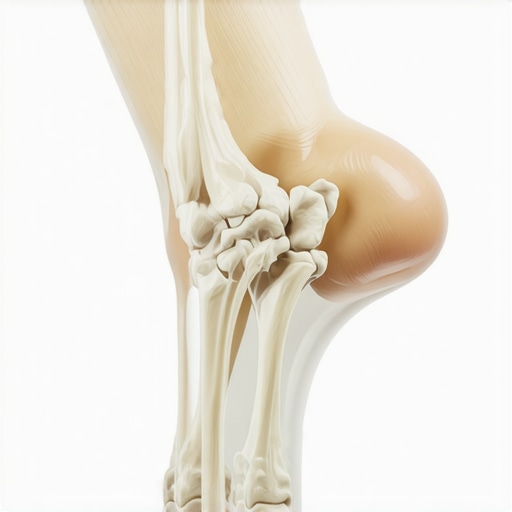
Have you ever stood up after sitting for a while, only to feel your ankles wobbling like they might give out at any moment? Or maybe you’ve caught yourself hesitating to walk on uneven surfaces because you fear your ankles will buckle under you? That was me a few months ago—caught in the middle of a simple grocery run, feeling that unsettling sensation like my ankles were fragile glass. It’s a strange, almost surreal feeling, and honestly, it can be pretty frightening.
Understanding Why Your Ankles Feel So Fragile
This sensation isn’t just in your mind; it’s often rooted in real issues with mobility and joint stability. When I first experienced it, I dismissed it as temporary fatigue. But over time, I realized it was a sign that my body was trying to tell me something was off. Poor mobility, weak supporting muscles, and misaligned joints can all contribute to that glass-like feeling. It’s like your ankles are no longer able to support you properly, making each step feel precarious.
The good news? There are practical, manageable steps that can help you regain that stability and move with confidence again. I’ll be sharing what I learned through personal experience and professional advice, so you don’t have to wonder if this fragility is something you’ll just have to live with. Trust me, improving your ankle mobility and strength can make a world of difference.
What We’ll Cover Today
In this post, I’ll walk you through the common reasons behind this unsettling feeling, highlight some mistakes I made early on that made things worse, and most importantly, share effective strategies you can start implementing today. We’ll explore simple mobility exercises, posture tweaks, and the importance of proper chiropractic care to support your journey to steadier ankles and improved overall movement.
Is It Really Worth All This Fuss?
Now, I know what some of you might be thinking—”Is this mobility thing really that crucial? Can’t I just ignore it?” Well, I was the same. I believed that as long as I could walk, I was okay. But ignoring these signs can lead to more serious issues down the line, like chronic pain or even falls. Early intervention is key, and trusting experts can help you avoid costly mistakes. For example, I initially tried stretching blindly, which only worsened my discomfort. But learning targeted mobility techniques and seeing a chiropractor changed everything. If you’re curious about the real impact of chiropractic care, you can check out [this comprehensive guide](https://quackersneck.com/why-chiropractic-care-is-your-secret-weapon-for-better-posture) to see how adjustments can unlock your body’s natural potential.
Now that you know what’s at stake, let’s dive into what might be causing this glassy feeling and how you can turn the situation around. Are you ready to stop hesitating and start moving confidently again?
Start with targeted mobility exercises to loosen stiff joints
One of the most effective ways I found to regain control over my ankles was through specific mobility drills. I remember feeling stiff after sitting all day, and initially, I attempted to stretch randomly, which only intensified my discomfort. Instead, I began with controlled ankle circles, slowly warming up the joint, much like oiling a rusty hinge. These exercises increased flexibility and contributed to a more confident walk. Incorporate daily sessions of ankle circles, heel-to-toe rocking, or living room balance drills, gradually increasing repetitions to build strength.
Focus on strengthening supporting muscles to enhance stability
Engage your calves and tibialis anterior
Strengthening the muscles around your ankle provides the scaffolding your joint needs to support weight and movement. I started using resistance bands to perform calf raises—standing on tiptoe against the band’s resistance—as part of my morning routine. Simultaneously, I practiced dorsiflexion exercises by pulling my toes towards my shin. These movements are like reinforcing the pillars of a building; the stronger the supports, the more stable the structure. Consistent strength training in these areas can significantly reduce that fragile, glassy sensation.
Incorporate balance training for proprioception
Improving how your body perceives its position in space can prevent buckling. I used simple balance boards and stood on one leg while brushing my teeth. Initially, it felt unstable—like walking on tippy-toes on a thin line. Over time, I noticed my ankle’s ability to adapt increased, reducing wobbliness. Integrate exercises that challenge your stability, such as single-leg stands or yoga poses like Tree Pose, to sharpen proprioception and build confidence in your movements.
Align your posture for optimal joint support
Poor posture often exacerbates ankle instability. I learned to mimic the feeling of standing tall, with my ears aligned over my shoulders and my weight evenly distributed. Imagine your body as a stack of blocks; if the bottom block tilts, everything above shifts, causing instability. Regularly check your alignment—preferably with a mirror—and make small adjustments. Adjust your desk setup to avoid leaning forward or slouching, which can cascade into poor ankle support. Practicing posture awareness daily helps your entire kinetic chain function seamlessly.
Seek professional guidance for personalized correction
Sometimes, self-directed efforts hit a limit. That’s when consulting a chiropractor or mobility expert can be transformative. I scheduled a session after noticing persistent instability despite my exercises. A professional can identify underlying issues, such as joint restrictions or muscular imbalances, that are invisible to the untrained eye. Think of it as consulting a mechanic for a nuanced tune-up of your vehicle. For more on how chiropractic care can unlock your body’s potential, check out this comprehensive guide. Personalized adjustments and expert advice make a measurable difference in restoring confidence to your step.
Maintain consistency and adapt your routine
Progress hinges on persistence. When I first started, I committed to morning mobility drills and evening strength workouts, gradually increasing intensity. Like watering a plant, regular care promotes growth and resilience. Pay attention to your body’s signals—if a certain movement causes pain or discomfort, modify or pause it. Over time, as your joints strengthen and your posture improves, you’ll notice less wobbling and more steady steps. Consistency is key; every small effort contributes to a robust foundation that keeps your ankles and entire body stable.Many people believe that simply stretching daily or adjusting their chairs will fix longstanding postural issues, but the truth runs much deeper. A common misconception is that mobility exercises alone can compensate for poor alignment or muscular imbalances, yet, without addressing underlying joint restrictions through professional interventions like chiropractic adjustments, progress can be slow or even counterproductive. For example, focusing solely on stretching tight muscles without considering joint functionality can lead to overstretching healthy tissues or creating new imbalances. An expert approach involves integrating mobility routines with targeted adjustments, which can unlock your body’s full potential, as explained in this comprehensive guide.
Another pitfall many fall into is believing that postural correction is a one-time fix rather than a dynamic process requiring ongoing attention. Consistency in mobility work, posture awareness, and regular professional check-ins are essential for sustainable results. Additionally, some think that chiropractic adjustments are merely ‘cracking’ bones for quick relief; however, researchers like Dr. Michael McNamara emphasize that adjustments are precise manipulations aimed at restoring joint function and promoting neurological health, not just the audible pop. For deeper insights, visit this detailed article.
A common advanced mistake is neglecting the importance of neuro-muscular control—how your brain communicates with muscles—when focusing on mobility. Without reprogramming proper movement patterns, gains from stretching and adjustments may not translate into long-term stability. Engaging in proprioceptive training, such as balance exercises, helps your nervous system relearn optimal movement pathways, as supported by studies from the Journal of Orthopaedic & Sports Physical Therapy. Do you find yourself skipping this crucial step? Let me know in the comments!
Remember, real progress comes from a holistic perspective—combining mobility, posture correction, professional adjustments, and neuro-muscular control. By avoiding these common pitfalls, you’ll be on the fast track to a pain-free, stable, and active lifestyle. Want to learn more about integrating these strategies? Check out this expert-approved guide to get started today.
Maintaining your progress in mobility, posture, and chiropractic care requires more than just occasional exercises; it calls for reliable tools and consistent routines. Over time, I’ve found that integrating targeted equipment and smart software into my daily regimen helps me sustain gains and adapt to new challenges, ensuring long-term results. In this section, I’ll share the practical tools I personally rely on and how they keep my body functioning optimally.
Investing in Quality Mobility Aids
One of my essential tools is a set of resistance bands designed specifically for ankle and calf strengthening. I prefer the loop resistance bands from Mobility Hacks because they are durable, travel-friendly, and allow for progressive overload. I use them daily for ankle dorsiflexion, plantar flexion, and lateral movements, which improve joint stability and balance. These bands act as a portable gym, enabling me to perform targeted drills anywhere—be it at home or during travel.
Complementing resistance bands, I rely on a balance pad to challenge my proprioception during routine exercises. An unstable surface forces small stabilizing muscles to activate, reinforcing joint support. I incorporate single-leg stands on the pad while doing simple tasks like brushing my teeth or watching TV. This consistent practice enhances my neuromuscular control, which is vital for long-term stability.
Leveraging Tech for Better Posture Tracking
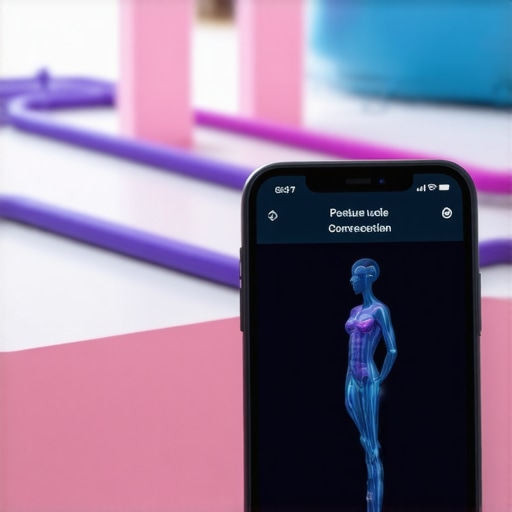
Modern apps and wearable devices have revolutionized how I monitor my posture throughout the day. I use a posture correction app that pairs with my smartphone to alert me when I slouch or lean forward excessively. The real-time feedback keeps me conscious of my habits, prompting immediate adjustments. Regularly reviewing my posture data over weeks reveals patterns and areas for improvement, which I address proactively. This tech-supported self-awareness is key to preventing regressions and maintaining the benefits achieved through chiropractor-guided work.
Why Consistency Is Your Best Friend
Tools alone won’t make a difference—they’re only effective when used regularly and purposefully. I set aside specific times each day for mobility routines, incorporating the drills and exercises from this guide to ensure I stay on track. Over time, these habits compound, embedding good movement patterns into my daily life. Looking ahead, I predict that as wearable tech and AI-driven feedback improve, personalization and adherence to mobility routines will become even more seamless, making sustained improvement easier for everyone.
How do I keep moving the right way over time?
Maintenance involves a combination of regular tool use, ongoing education, and professional check-ins. I schedule periodic chiropractic consultations to fine-tune my alignment and address emerging issues before they escalate. Additionally, I revisit my routines every few months, upgrading my tools or exercises as my body adapts. For anyone serious about preserving their mobility gains, exploring guided programs like those found in this resource can be transformative. As a tip, try integrating a resistance band workout or using a posture app today—these simple steps can create a lasting impact on your journey toward a more resilient, pain-free body.
What I Didn’t Expect About Mobility Hurdles
- Despite doing daily exercises, I underestimated how deeply intertwined my posture was with ankle stability—real change required addressing my overall alignment, not just isolated joint work.
- Chiropractic adjustments didn’t just alleviate discomfort—they taught me to listen to subtle signals my body kept ignoring, which accelerated my progress more than I imagined.
- Patience truly pays off; consistent routines over months built a foundation of resilience I thought I’d never reclaim, proving that small daily habits can transform long-term health.
My Go-To Tools That Keep Me Moving
- The resistance bands from Mobility Hacks became my portable gym—simple yet effective for strengthening supporting muscles and maintaining progress on the go.
- Balance pads from Mobility Hacks challenged my neuromuscular control daily, making me more confident on uneven terrain and in everyday life.
- Using a posture correction app helped me develop awareness and consistency, turning mindful adjustments into second nature, and proving that tech can be a powerful ally in mobility journeys.
Believe in Your Inner Resilience
Improving ankle stability and overall mobility isn’t just a physical task; it’s a mental adventure. Every small effort adds up, creating a momentum that can redefine how confidently you move through life. Trust me—your body is capable of remarkable adaptation when you give it the right tools, routines, and patience. If I can turn my wobbling ankles into steady steps, so can you. Start today, embrace the journey, and remember, your path to better mobility is uniquely yours—take that first step with confidence.
What’s one mobility tweak you’re excited to try today? Share your thoughts below—I’d love to hear your stories and support your progress!
,