
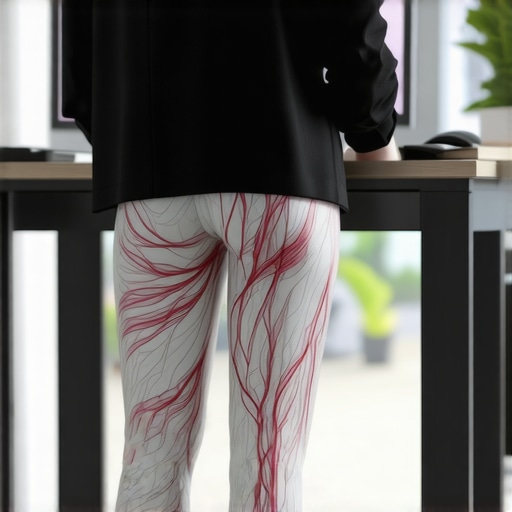
It was a typical Monday morning when I finally faced the mirror and realized something unsettling—those bulging veins on my legs weren’t going away, no matter how much I shuffled my position. I’d spent years sitting at a desk, switching between sitting and standing, believing I was doing right by my posture. But the truth is, my feet felt heavy, and my legs ached more than ever. That lightbulb moment made me question everything I’d read about standing desks and their supposed health benefits.
Unpacking the Standing Desk Hype and Its Effects
Many of us have bought into the idea that switching to a standing desk will instantly fix our posture and prevent health issues like varicose veins. I did it myself, thinking that standing more would boost circulation and lessen leg swelling. But I learned the hard way that it’s not a simple switch—standing all day can actually have its own drawbacks if not done carefully. The key is understanding how posture, mobility, and movement patterns influence circulation and vein health.
Is Standing Really Better Than Sitting? Common Myths Debunked
Early on, I made the mistake of thinking that mere standing would solve all my problems. I assumed that standing reduces pressure on the lower back and improves blood flow. However, I overlooked a crucial fact—prolonged standing without movement can actually cause blood pooling and increase the risk of varicose veins. A study published in the “Journal of Vascular Surgery” highlights that static standing can impair venous return, leading to swollen, painful veins. So, the solution isn’t just standing; it’s about moving intelligently throughout the day.
Have you ever experienced legs that feel more tired or swollen despite working at a standing desk? If so, you’re not alone. It’s a common problem and one I faced firsthand. The secret lies in how we incorporate mobility and posture adjustments into our daily routines. That’s where my personal journey toward better health began, leading me to explore practical strategies that can make a real difference.
In the following sections, I’ll share proven tips on how to use your standing desk effectively, incorporate mobility exercises, and avoid the mistakes that could be worsening your varicose veins and postural issues. So, if you’ve felt frustrated by persistent leg discomfort or unsure about the best way to stand and move, keep reading. You’re about to learn the insider secrets that helped me and can transform your daily work habits.
Start with Dynamic Movements Between Sitting and Standing
Implement a routine where every 30 minutes, you shift from sitting to standing and vice versa. For example, set a timer to remind yourself to move. During my first week, I committed to a 5-minute movement every half hour, which was messy at first—fidgeting and adjusting—but gradually became natural. This prevents blood pooling in your legs, akin to watering a plant regularly to keep it healthy.
Incorporate Gentle Mobility Exercises
Focus on exercises that target your hips, ankles, and lower back. Think of your body as a building; if the foundation shifts or stiffens, the entire structure feels off. I started with ankle circles and hip openers, which I performed during short breaks. These movements improve circulation and maintain joint flexibility. Check out mobility hacks for easy tips you can follow daily.
Adjust Your Posture Regularly
Stand with your feet shoulder-width apart, weight evenly distributed, and knees slightly bent—imagine trying to stand tall like a mountain. Use a mirror or take a quick photo to check alignment. I noticed my pelvis tilted after a long day, leading to discomfort. Performing small chiropractic adjustments or simple stretches, like pelvis tilts, can realign your spine and improve blood flow. Insights from chiropractic adjustments explain how this works.
Use Supportive Footwear and Ergonomics
Switch from unsupportive shoes to insoles or supportive footwear that evenly distributes weight. For my desk setup, I adjusted my monitor height and keyboard position to reduce neck strain—similar to tuning a musical instrument for perfect sound. An ergonomic workspace minimizes unnecessary strain and maintains proper posture, crucial for circulation and preventing varicose veins.
Practice Breathing and Relaxation Techniques
Deep diaphragmatic breathing helps relax tense muscles and promotes healthy circulation. Take slow, deep breaths, expanding your belly—like filling a balloon. During a stressful moment, I paused, took five deep breaths, and immediately felt less pressure in my legs and lower back. Techniques from breathing exercises can amplify your mobility and posture benefits.
Seek Professional Guidance When Needed
Sometimes, manual adjustments or targeted therapy can accelerate progress. A chiropractor can identify hidden misalignments and suggest personalized routines. I booked a quick consultation after persistent discomfort, which revealed a tilted pelvis—corrected through specific adjustments, leading to noticeable relief. Regular check-ins ensure your efforts stay effective and prevent setbacks, as detailed in chiropractic care benefits.
Many individuals assume that visiting a chiropractor or performing mobility exercises will instantly fix all postural issues or pain. However, the reality is far more complex. A widespread misconception is that a single adjustment can permanently realign your spine, leading to a false sense of security. In fact, research by chiropractic techniques shows that consistent, targeted routines are essential for lasting improvement, especially when addressing nuanced postural dysfunctions. Additionally, most people underestimate the importance of understanding how subtle compensations—like slight pelvis tilts or asymmetrical muscle activation—can significantly impact long-term results. This is something I learned through deep immersion in advanced studies, where fine-tuning mobility and posture required attention to these intricacies. For instance, improperly executed adjustments might provide temporary relief but could inadvertently reinforce poor habits if not combined with proactive mobility strategies, as discussed in knee and back linkages. Many fall into the trap of believing all chiropractic adjustments are equal, but the nuanced approach involves evaluating your entire kinetic chain and habitual movement patterns—a process detailed in expert guides. Incorporating dynamic mobility before and after adjustments maximizes benefits, reducing the risk of re-injury or misguided compensations. Also, beware of myths suggesting that stretching alone is enough; research indicates that targeted strength and mobility work, tailored to your body’s specific needs, yields the best results. Understanding these hidden nuances empowers you to avoid counterproductive routines and seek truly effective care. Have you ever fallen into this trap? Let me know in the comments and share your experiences.
Keeping It Working: Your Toolkit for Lasting Results
Once you’ve established a solid mobility and posture routine, the key is ensuring these improvements stick long-term. Investing in the right tools and techniques can make all the difference in maintaining your progress. Personally, I rely on a combination of specific equipment, software, and consistent practices to keep my body aligned and mobile.
Investing in a Quality Foam Roller and Myofascial Tools
A versatile foam roller has become my go-to for daily self-myofascial release, especially targeting tight hips and lower back muscles. I prefer a medium-density roller that allows deep tissue work without causing excessive discomfort. Additionally, I incorporate massage balls, like lacrosse balls, to access hard-to-reach trigger points. Regular use helps prevent muscle adhesions that can undermine postural improvements.
The Power of Mobility Apps and Guided Exercises
Digital tools like mobility-focused apps provide guided routines tailored to specific needs. I use programs that offer brief, targeted sessions for shoulder, hip, and ankle flexibility—vital areas linked to spinal health. These apps often include reminders, making it easier to stick with daily habits. For instance, the mobility hacks detailed earlier are easily integrated into this digital approach.
Consistent Chiropractic Check-Ins and Self-Adjustments
While I believe in self-maintenance, periodic professional adjustments are crucial for long-term benefits. Regular visits with a chiropractor help identify subtle misalignments before they cause discomfort or regressions. I schedule routine check-ins, which often include receiving targeted adjustments based on my evolving needs. Combining these with self-care routines ensures sustained improvements, as highlighted in practical chiropractor strategies.
Why Future Trends Will Focus on Biomechanical Monitoring
Looking ahead, I see emerging technology playing a bigger role in maintaining posture. Wearable sensors and smart clothing capable of real-time biomechanical feedback will enable users to correct form immediately. Companies are developing devices that monitor muscle activation patterns, offering insights that can prevent regressions caused by poor habits. This evolution will make consistent maintenance more precise and personalized, moving beyond generic routines.
How do I sustain my progress over the years?
To maintain my gains, I dedicate a few minutes each day to mobility drills, integrate self-myofascial release, and stay consistent with chiropractic check-ins. I also pay attention to ergonomic adjustments at my workspace, ensuring that my setup supports good posture. Remember, fluctuations are normal, but proactive management solidifies your long-term results. Try incorporating a targeted self-massage routine or using a mobility app today to experience immediate benefits.
What I Wish I Could Tell My Past Self About Posture and Veins
One of the most eye-opening lessons I learned was the danger of oversimplifying solutions like standing desks. Standing more isn’t a universal fix; it’s about how I incorporated movement. I realized that staying static, whether sitting or standing, hampers circulation and can worsen varicose veins. The key was to introduce dynamic movements into my routine, a simple shift that made a profound difference in my vein health and posture.
Another insight was the myth that intense stretching alone can correct postural imbalances. Instead, I found that targeted mobility exercises, combined with proper support and ergonomic adjustments, created sustainable change. This holistic approach was the breakthrough I needed to prevent discomfort and improve blood flow, especially in my legs and lower back.
Lastly, I discovered that professional guidance isn’t a sign of weakness but a catalyst for real progress. Regular sessions with a chiropractor, combined with my own daily mobility practice, fortified my improvements. Recognizing subtle misalignments and addressing them early saved me from long-term issues, illustrating the importance of proactive, personalized care rather than reactive fixes.
Tools That Turn Routine Into Results
My go-to equipment includes a versatile foam roller and massage balls. They help me release tension and improve circulation in key areas like hips and lower back. I trust them because they empower me to take control of my mobility daily, preventing stagnation that can lead to discomfort.
I also rely on guided mobility apps, which provide tailored routines and strategic reminders. These tools keep me consistent, making complex mobility work manageable and part of my everyday life. They’ve been instrumental in maintaining the momentum I gained from professional advice.
Regular chiropractic check-ins remain essential. They help identify early signs of misalignment and reinforce my progress. My experience shows that combining self-care tools with expert support creates a resilient foundation for long-term health—something I recommend everyone to consider.
Your Next Step Toward Better Posture and Vein Comfort
Embracing these lessons and tools isn’t just about fixing aches or veins—it’s about empowering yourself with knowledge and habits that last. Your body’s capacity to adapt and heal is remarkable when guided correctly. Start small, stay consistent, and be curious about what your body can achieve when given the right attention.
Are you ready to incorporate mindful movements and professional advice into your daily routine? What’s your biggest challenge when it comes to maintaining good posture or healthy veins? Share your thoughts below—I’d love to hear your journey!