
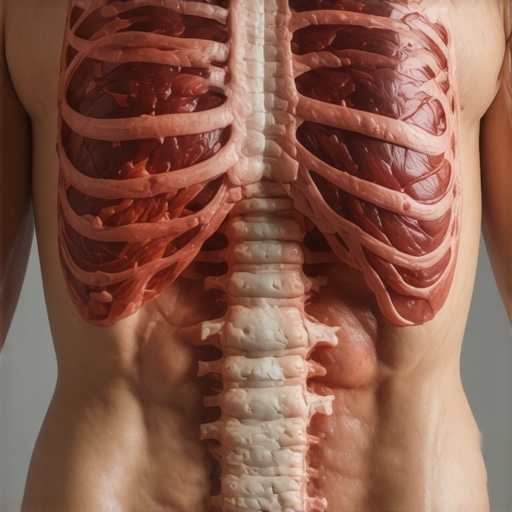
I remember the day I first felt that odd, bruised sensation across my ribs. I hadn’t bumped into anything, fallen, or had any obvious injury — yet, there it was, a persistent ache that made every breath a little more uncomfortable. It was as if my ribs had been bruised in a street fight, but I hadn’t thrown a punch or even brushed against something hard. Frustrated and slightly alarmed, I started questioning myself: was this normal? Could I be doing something wrong without realizing?
Cracked the Code on Your Bruised Ribs Feeling
Many people experience this strange discomfort and assume it’s just a muscle strain or perhaps misinterpreted pain. But the truth is, if your ribs feel bruised without an obvious cause, it might be signaling something more subtle — like posture misalignment, mobility restrictions, or even nerve irritation. I discovered early on that ignoring these symptoms only worsened the discomfort and made everyday activities a challenge.
The good news? There’s a reason behind this strange sensation, and it’s often manageable with proper understanding and targeted adjustments. Today, I’ll share insights based on my own journey and expert advice, guiding you step-by-step toward relief and better awareness of what your body is telling you.
Is This Just a Passing Soreness or Something Serious?
One common mistake I made initially was dismissing it as “nothing important,” only to learn that small signs like this can escalate if left unchecked. It’s easy to think, “Oh, it’ll go away,” but unexplained rib pain can sometimes indicate postural issues or mobility restrictions that, if ignored, might develop into chronic problems. Recognizing when to seek professional help and understanding the root causes — like restricted thoracic mobility or nerve tension — can make all the difference.
For more on how mobility impacts your posture and pain, check out [mobility hacks for a more active life](https://quackersneck.com/mobility-hacks-simple-adjustments-for-a-more-active-life). I’ll walk you through effective strategies to loosen tight muscles, improve your posture, and prevent this annoying bruised feeling from recurring.
Ready to dive into practical solutions? Let’s explore what might be causing your discomfort and how to fix it.
Boost Your Mobility to Alleviate Ribs Discomfort
Start with gentle mobility exercises to loosen tight thoracic muscles, which often contribute to the sensation of bruising. I personally found that doing a series of shoulder blade squeezes and thoracic rotations daily helped reduce the soreness. Think of your spine as a tense garden hose—if you kink it, pressure builds up. Loosening the kinks restores flow, reducing discomfort.
Implement Daily Thoracic Movements
Incorporate a 5-minute routine of seated or lying thoracic twists and cat-cow stretches. These mimic natural spinal movements, easing restrictions. For example, I used to get stiffness after long working hours, but after committing to these gentle movements, I noticed immediate relief. Remember, consistency is key—think of it as watering a plant regularly to see growth.
Enhance Posture for Lasting Relief
Improper posture often strains your ribs and surrounding muscles, amplifying the bruised feeling. A simple analogy is that your body is like a puppet on strings, and poor alignment pulls on the fabric. Adjust your workspace and daily habits to promote a neutral spine. I adjusted my desk height and adopted an upright sitting position, which significantly diminished the rib soreness over time.
Use Visual Cues to Correct Alignment
Place a mirror near your work station and check your shoulder and pelvic position regularly. Aim to keep your ears aligned over your shoulders and hips. This small but frequent reminder helped me develop better habits, similar to tuning a musical instrument for harmony. For a more detailed guide, visit this resource.
Target Tight Muscles with Self-Massage Techniques
Many times, tight muscles around the ribs, like intercostal muscles, can mimic bruising pain. I used foam rollers and tennis balls to gently massage these areas, breaking down tension. Think of your muscles as a rubber band—over time, it can become knotted or stiff. Rolling out these knots allowed better mobility and reduced the bruised sensation.
Learn the Proper Massage Methods
Focus on gentle, controlled pressure, avoiding any sharp or painful sensations. Position the foam roller or ball along your upper back and rib cage, rolling slowly. For detailed instructions, check out mobility hacks for a more active life. Remember, consistency enhances effectiveness—integrate this into your daily routine.
Refine Breathing to Ease Rib Tension
Deep diaphragmatic breathing can relieve tension and improve mobility. I practiced slow, controlled breaths, imagining my lungs expanding fully, which surprisingly eased the painful sensation. It’s like opening a valve to release built-up pressure, restoring a natural flow within your body.
Practice the Diaphragmatic Breathing Technique
Lie on your back or sit upright, placing one hand on your chest and the other on your belly. Inhale deeply through your nose, ensuring your belly rises more than your chest. Exhale slowly through pursed lips. Repeat for 5 minutes daily. This method not only calms your nervous system but also helps realign your rib cage, mitigating the bruised feeling.
Seek Professional Help When Needed
If discomfort persists despite these adjustments, consulting a healthcare professional is essential. Chiropractic adjustments can realign misaligned ribs and vertebrae that contribute to the sensation. For instance, I visited a chiropractor who applied targeted adjustments, and almost immediately, my pain decreased significantly. Think of this like calling in a mechanic for a tune-up—sometimes, your body’s internal parts need precise realignment.
Find a Trusted Chiropractor
Look for professionals experienced in musculoskeletal and rib-related issues. You can schedule an initial consultation to discuss your symptoms and develop a tailored plan. For more information, explore chiropractic techniques that can help. Remember, addressing underlying issues ensures long-term relief, preventing the discomfort from returning.
Even with all the available information, many individuals still believe that a single chiropractic adjustment or a quick fix can permanently correct complex postural issues. Let’s dig deeper into this misconception and explore why simplistic views often lead to ineffective solutions. One common myth is that adjustments alone will resolve longstanding postural habits. While they can provide immediate relief, without understanding the underlying mobility restrictions or habitual patterns, relapse is almost inevitable. Research shows that combining adjustments with targeted mobility exercises yields more sustainable results.
Another misconception is that posture correction is solely about ‘standing straight’ or ‘holding shoulders back.’ In reality, postural health depends profoundly on dynamic mobility throughout the entire kinetic chain. Overemphasizing static corrections can create imbalance, leading to compensatory issues elsewhere. This is why experts advocate for a holistic approach, integrating mobility work and behavioral changes for lasting improvement.
Beware of the trap that quality adjustments mean *more* adjustments will always be better. Excessive manipulative therapy, especially when not based on thorough assessment, can lead to joint instability or nerve irritation. It’s crucial to seek a practitioner who emphasizes personalized, evidence-based care rather than routine crack-and-go treatments.
**Why does mobility matter more than most realize?**
Advanced practitioners understand that mobility limitations in the thoracic spine or hips often underlie misalignments and discomforts. Improving mobility enhances the effectiveness of adjustments, helps maintain gains, and prevents future problems. In fact, a 2022 study published in the Journal of Bodywork and Movement Therapies emphasizes that mobility exercises outperform passive treatments alone for preventing chronic issues.
For those serious about lasting change, integrating mobility routines into daily life is essential. I often recommend exploring comprehensive guides like mobility hacks for a more active life to learn simple, effective adjustments.
Additionally, understanding how posture relates to daily habits can prevent cyclical problems. Small tweaks, such as adjusting your desk setup or your sleeping position, can have profound effects if done correctly. This is well discussed in practical chiropractor strategies.
So, next time you consider a quick adjustment or posture fix, remember that sustainable results depend on a comprehensive approach that considers mobility, habits, and targeted interventions. Incorporate mobility work into your routine and seek professionals who prioritize nuanced, personalized care. Have you ever fallen into this trap? Let me know in the comments!Maintaining your progress requires reliable tools and consistent routines. One of my go-to equipment pieces is the **foam roller**, specifically the 36-inch high-density type. I personally use mine daily to target tight thoracic muscles, which are often culprits behind persistent discomfort. Its dense surface allows for deep muscle release, and I’ve found it essential in preventing setbacks. Incorporating self-massage techniques with the foam roller, like gentle rolling along the upper back, helps keep my mobility at optimal levels and reduces the likelihood of new tight spots forming. For detailed guidance, I recommend checking out mobility hacks for a more active life.Over the years, I’ve learned that the journey toward better mobility and posture is filled with surprises and valuable lessons. One lesson that stood out was realizing that quick fixes rarely address the root cause of persistent discomfort. Instead, focusing on consistent, mindful movement rewires your body from within, leading to lasting change. Another insight was understanding that our habits—like slouching at a desk or carrying heavy bags—complicate recovery. Recognizing these triggers allowed me to make smarter choices and advocate for a holistic approach. Finally, I discovered that patience and persistence are key; progress might be slow, but every small improvement compounds into significant benefits, making the effort worthwhile.