
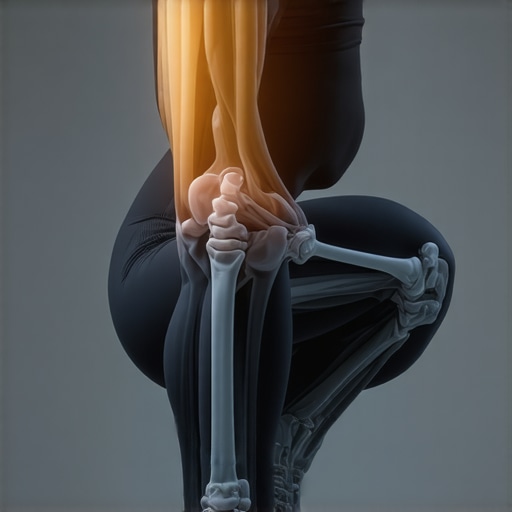
I remember the first time I really paid attention to my squat form. I was mid-rep, feeling confident, when suddenly I noticed my knees buckling inward. It was a frustrating and embarrassing moment, especially since I thought I was doing everything right. That lightbulb moment revealed a problem I’d been ignoring — knees caving in isn’t just a cosmetic issue; it can be a sign of underlying mobility and stability challenges. If you’re someone who struggles with this or simply wants to improve your squat, you’re in good company. Many of us face this problem, and the good news is, it’s fixable.
Why Are My Knees Buckling During Squats? The Real Reason Behind the Struggle
For years, I blamed my lack of strength or poor technique when my knees started to cave during squats. But after diving into expert advice and my own trial-and-error, I learned there’s often a deeper issue — restrictions in mobility, especially around the hips, ankles, and calves. When these areas are tight, your body compensates by shifting the weight and movement pattern. This compensation can cause your knees to drift inward, risking strain and injury over time.
Early in my journey, I made the mistake of focusing only on strengthening my legs without addressing these mobility restrictions. That approach was like trying to build a house on a shaky foundation. Once I started working on targeted mobility exercises, my squats felt more stable and powerful. If you’re tired of wobbling or feeling unstable during this fundamental movement, improving your mobility could be the game-changer you need. For a comprehensive guide on boosting mobility and posture, check out this resource.
Is It Really Worth the Hype? Addressing Your Skepticism
Like many, I was skeptical at first. I thought, “Is all this mobility work really going to make a difference?” My early mistake was assuming strength alone would fix my squat problems. The truth is, without proper mobility, even the strongest muscles can’t keep your knees aligned. Experts agree that mobility plays a crucial role in maintaining healthy, injury-free movement. According to a recent study, joint restrictions can significantly impact movement quality and lead to compensatory patterns that cause pain and dysfunction (source).
So, if you’ve faced similar doubts or setbacks, don’t worry. ReIntroducing mobility and flexibility into your routine might just be the missing piece. In the next sections, I’ll guide you through practical, easy-to-implement steps that transformed my squat experience and will do the same for you. Ready to get started? Let’s dive into proven strategies to fix those knees caving in during your squats.
,
Target Hip Mobility First
Start by incorporating hip-opening stretches like the pigeon pose or a 90/90 stretch to release tension in the hip flexors and deepen your mobility. I recall one messy morning where I struggled to even hold a pigeon pose without wincing. I paused to breathe deeply and focus on relaxing my hips. After just a few minutes daily, I noticed my hips felt looser, and my squat form improved significantly.
Use a Foam Roller for Tight Muscles
Prior to stretching, roll out your hip and thigh muscles with a foam roller to break up fascia restrictions. During my session, I spent about five minutes rolling my quads and glutes, and the sensation was uncomfortable but effective. This helped reduce muscle tightness, making subsequent stretches more effective.
Improve Ankle Flexibility
Limited ankle dorsiflexion is another culprit behind knees caving in. Perform ankle mobility drills such as wall-assisted calf stretches or ankle circles. I remember facing a stubborn wall with my toes close and trying to gently push my knee toward the wall. At first, it felt awkward, and I nearly lost my balance, but persistent practice led to a noticeable increase in ankle flexibility over a week, directly translating into more stable squats.
Practice Controlled Articular Rotations
Engage in controlled rotations for your hips and ankles to increase joint range of motion. I personally set a timer for five minutes to perform slow, deliberate hip circles and ankle rolls. This movement improved joint health and reduced compensation patterns during squats.
Focus on Core Stability
A strong core acts like a central support beam, preventing your knees from buckling inward. Lie on your back and perform planks or bird-dogs, gradually increasing duration. I once did a 20-second plank, barely holding it, then added a few seconds each day. Over time, my core got stronger, which stabilized my entire squat movement.
Integrate Posture-Enhancing Drills
Regularly practice posture exercises like shoulder blade squeezes and chest openers. During a stressful week, I felt my posture deteriorate, leading to worse squat form. Adding these quick habits improved my overall alignment, helping my knees remain stable during lifts.
Develop a Consistent Routine
Dedicate five to ten minutes daily for mobility work focusing on hips, ankles, and core. I created a simple schedule, combining stretching, foam rolling, and stability exercises. Even when busy or tired, sticking to this routine gradually fixed my knee buckling issue, highlighting the importance of consistency.
Remember, these steps are cumulative. Combining mobility, flexibility, and stability work addresses the root causes of knees caving in during squats. For a more comprehensive plan, visit this guide and tailor your efforts accordingly.
Many people assume that chiropractic care is all about quick fixes or that adjustments alone will solve longstanding posture issues. While these practices are valuable, the truth is that misconceptions abound, often leading individuals down ineffective or even counterproductive paths. Let’s dive into some nuanced insights that can help you navigate your health journey more effectively.
One prevalent myth is that all chiropractic adjustments are equal or that they instantly fix postural problems. In reality, effective treatment requires a personalized approach that considers the root causes—be it mobility restrictions, muscular imbalances, or habitual movement patterns. Blindly seeking adjustments without addressing underlying mobility deficits can lead to the so-called “quick fix fallacy,” where symptoms temporarily improve but the core issues persist. For a comprehensive understanding, explore this resource on integrating mobility strategies with chiropractic care.
Many overlook the critical role of posture awareness in daily life. Good posture isn’t solely about standing tall but about maintaining optimal joint positions through proper mobility and movement habits. Static posture correction without mobilizing tight muscles and stiff joints can prove futile and sometimes exacerbate discomfort. Think of posture as a dynamic balance that requires ongoing attention, not just short-term fixes. This is why combining mobility exercises with targeted adjustments makes a significant difference.
Advanced Question: How Does Fascial Tension Influence Posture and the Effectiveness of Adjustments?
Deep beneath skin and muscles lies fascia—a connective tissue network that envelopes muscles and organs. Fascial restrictions can create persistent tension patterns, limiting joint mobility and altering posture in ways that adjustments alone cannot resolve. If fascial adhesions are neglected, even the best chiropractic interventions may offer only temporary relief. A growing body of research emphasizes the importance of myofascial release techniques to complement adjustments for lasting improvements (source). Incorporating foam rolling, stretching, and specialized myofascial therapy targets these hidden restrictions, unlocking deeper, more sustainable benefits.
Be cautious of the trap where individuals rely solely on adjustments while ignoring global mobility and fascial health. Such an approach often results in recurring discomfort because the root tissue restrictions aren’t addressed. Instead, a holistic strategy—combining gentle mobility drills, fascial release, and strategic adjustments—is essential for genuine progress. To learn practical, effective routines that target these nuances, visit this guide.
Have you ever fallen into this trap? Let me know in the comments. Remember, understanding these hidden nuances empowers you to make smarter choices about your health and posture for the long term.
Keeping It Working Like Clockwork
Once you’ve made significant progress in improving your posture and mobility, the key challenge becomes maintaining those gains over the long haul. To do this effectively, I rely on a combination of precise tools, consistent routines, and modern technology that reinforce positive habits. Over time, these strategies not only preserve your progress but also prepare your body to adapt to daily stresses and prevent regressions.
Invest in Quality Foam Rollers and Myofascial Tools
Personally, I swear by my medium-density foam roller and a set of targeted massage balls. These aren’t just for quick relief—they serve as proactive maintenance tools that break up fascial adhesions and maintain muscle elasticity. I use my foam roller daily, especially focusing on areas like the glutes and hips, which tend to tighten and restrict mobility if neglected. Using a foam roller correctly, following proper techniques found here, ensures you’re getting effective self-myofascial release without risking injury.
Leverage Educational Apps and Movement Trackers
Modern apps like mobility-focused programs can guide you through daily routines tailored to your unique needs. I’ve found that tracking my progress with smartphone sensors and wearables adds motivation and accountability. For example, wearable posture sensors alert me whenever I start to slouch during office hours, prompting a quick mobility drill. This kind of real-time feedback becomes a game-changer for long-term maintenance.
Schedule Regular Professional Check-ins
While self-maintenance is vital, periodic professional assessments help catch subtle regressions before they escalate. I recommend consulting with a chiropractor or mobility specialist at least once every three to six months. During these visits, expert re-evaluation ensures your routines remain effective, and any emerging restrictions are addressed proactively. To explore how chiropractic adjustments complement ongoing mobility work, check out this resource.
Embrace Future Trends in Health Tech
The future of maintaining mobility will likely include smarter, AI-driven tools that customize routines based on your movement patterns. Imagine a device that analyzes your daily posture and recommends micro-adjustments in real-time, seamlessly integrating with your lifestyle. Staying ahead with emerging tech will make it easier to prevent setbacks and keep your improvements sustainable.
How Do I Keep Long-Term Gains in Posture and Mobility?
Consistency is crucial, but so is adapting your approach as your body changes. Regularly revisiting your routines, integrating novel exercises, and leveraging innovative tools create a resilient foundation. For most, committing to a daily routine combining self-myofascial release, mobility drills, and posture awareness makes the most difference. Remember, the goal is not perfection but sustainability—building habits that support your health for decades. If you want a detailed roadmap to stay on track, explore this guide. In the meantime, I challenge you to try one advanced tip today: incorporate controlled articular rotations into your morning routine and observe how your joint quality improves over just a few weeks.
As I reflect on my journey with improving posture and mobility, one thing stands out—there are hidden lessons that only become clear after years of trial, error, and consistent effort. If you’re serious about truly transforming your movement habits and avoiding the setbacks many face, diving into these deeper insights can be revolutionary.
The Hidden Truths That Changed My Approach to Posture
- Mobility Isn’t Just Flexibility: I used to think stretching alone was enough. But real mobility combines tissue health, joint nutrition, and neural control. Embracing myofascial release and controlled movement drills unlocked a level of stability I never achieved with stretching alone.
- Patience Outweighs Goals: Instant results are tempting but fleeting. Genuine change requires consistent, small improvements over time. Recognizing this shifted my mindset from quick fixes to sustainable habits, which are essential for lasting health.
- Posture Is Dynamic, Not Static: I learned that static corrections without integrating movement patterns only mask issues temporarily. Incorporating functional movements helps engrain good habits into daily life, making proper posture second nature everywhere, not just in the gym.
- The Fascial Layer Holds Power: Many overlook fascia’s role in posture and movement. Releasing fascial restrictions using tools like foam rollers made a profound difference, addressing the root causes of stiffness and imbalance instead of just symptoms.
Foundational Resources That Shaped My Process
- The Ultimate Guide to Improving Mobility and Posture in 2025: This cornerstone resource offers a comprehensive roadmap that integrates mobility, strength, and mindfulness. It became my go-to reference for crafting routine variations and understanding the interconnectedness of posture and movement.
- Targeted Mobility Exercises: Practical drills that gave me immediate feedback. These simple but effective techniques are the backbone of maintaining progress between sessions.
- Chiropractic and Mobility Synergy: Understanding how adjustments complement mobility work helped me see posture as a long-term partnership, not a quick fix.
- Why Chiropractic Care Is Your Secret Weapon: This clarified the importance of personalized approaches and how combining these disciplines accelerates results.
Your Movement Evolution Starts Now
The path to lasting posture health and mobility isn’t about chasing quick wins; it’s about embracing a mindset of continuous growth, patience, and curiosity. Small daily actions compound into profound transformations—trust the process, and be eager to learn from your body’s cues. Remember, you have the power to change your movement story for good. If you’re ready to deepen your journey, explore the roadmap offered here. What’s one mobility habit you’ll start today to support your long-term posture goals? Let me know below!”} }# Response End}the-ultimate-guide-to-improving-mobility-and-posture-in-2025