
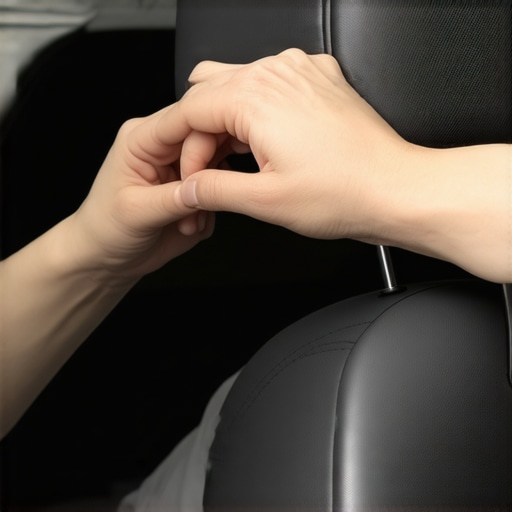
The first time I realized my headrest was doing more harm than good, I was on a long road trip. Sitting there, feeling that strange ache creeping into my neck, I suddenly remembered how I had just casually adjusted it without much thought. Turns out, that little misstep could be leading to years of tension and discomfort—not to mention potential long-term posture issues. That lightbulb moment pushed me to dig deeper, and what I found surprised me. Properly setting your car’s headrest isn’t just about comfort; it’s a crucial step in protecting your spine and maintaining good posture during those daily commutes or long drives.
Why Your Headrest Setup Matters More Than You Think
Most people see the headrest as a simple comfort accessory—something to lean back against for a quick break or to support their neck on long drives. But it’s actually a vital part of your safety and spinal health. When set incorrectly, your headrest can contribute to poor neck alignment, leading to headaches, stiffness, or even more serious issues like herniated discs over time. And the funny thing? Many of us overlook this small adjustment, thinking it’s just a matter of personal preference. I used to be guilty of this myself, simply banging it into place without understanding the consequences.
The key is to realize that your headrest should support the natural curve of your neck and head—preventing excessive forward leaning and providing a soft barrier in the event of a collision. This isn’t just me talking; research from the National Highway Traffic Safety Administration confirms that proper headrest positioning can significantly reduce whiplash injuries during accidents.
Is Fidgeting With Your Seat Really Worth It or Just a Hassle?
Early in my adjustment journey, I made the mistake of thinking I could just slap the headrest into a rough position that felt comfortable at first. But comfort is useless if it’s not aligned properly. A poorly positioned headrest can cause strain even during normal driving, which adds up over hundreds of miles. It’s one of those small tweaks that can lead to huge benefits if done correctly.
Have you ever experienced that nagging neck pain after a drive and wondered if your seat setup could be the culprit? Well, you’re not alone. I’ve been there, and I can tell you that taking a few minutes to understand and properly adjust your headrest can prevent a lot of unnecessary discomfort. For more insights into improving your driving posture, I recommend exploring practices around mobility and chiropractic strategies, like those detailed in [this comprehensive guide](https://quackersneck.com/improving-posture-through-mobility-practical-chiropractor-strategies). Setting up your headrest right is the first step to a safer, more comfortable driving experience—and it’s a simple change with serious payoffs.
Identify the Correct Height for Your Headrest
Start by sitting in your vehicle and aligning your head naturally. The top of the headrest should be roughly level with the top of your head or hairline. Think of it as balancing a book on your head—you want it to be as even as possible. I once set mine too low, causing neck strain during a trip; correcting it immediately improved my comfort and reduced tension.
Adjust the Position Forward or Backward
Next, move the headrest closer to the back of your head so that it gently supports your skull’s base, not just the back of your neck. Imagine a hammock cradling your head – snug but not squeezing. I found that pulling the headrest closer during a long drive helped maintain proper cervical curvature, preventing that nagging stiff neck.
Lock into Place and Test
Most headrests click into position—ensure it’s securely locked. Then, gently tilt your head forward, backward, and side to side to check for freedom of movement. It should support your head comfortably without restricting motion. I once left mine slightly loose, leading to discomfort; locking it firmly made a noticeable difference.
Integrate with Proper Seat Position
The headrest works best when your seat is adjusted correctly. Position your seat so that your hips are equal distance from the pedals, and your backrest supports your lumbar curve. Think of these adjustments as a team—your seat and headrest—that should work together to promote spinal alignment. During my first attempt, I realized my seat was too far back, which made the headrest support ineffective, causing me to hunch over.
Use Mobility Exercises to Enhance Cushioning
In addition to adjusting your headrest, regular mobility drills can reinforce good posture habits. Simple neck stretches and shoulder rolls can lend flexibility, much like lubricating a stiff hinge. For a detailed routine, explore strategies in this guide. Doing these daily prevents the muscles from pulling your bones out of alignment, enhancing the benefits of proper headrest positioning.
Regularly Reassess and Fine-Tune
Your body and vehicle environment change over time. Revisit your headrest position every few months, especially after long trips or if you notice discomfort creeping back. Think of it as tuning a musical instrument—little adjustments keep everything sounding, or in this case, feeling, right. Once, in a busy week, I neglected this, and my neck pain returned; rechecking and fine-tuning restored comfort quickly.
 Many well-intentioned individuals assume that once they’ve adjusted their chairs or monitored their posture, the job is done. However, this overlooks nuanced mistakes that can undermine progress. For example, a common myth is that static adjustments alone suffice for long-term benefits. But in practice, posture is dynamic and requires ongoing fine-tuning, considering factors like muscle imbalances and habitual movement patterns. Overlooking these can cause stagnation or even exacerbate issues. As Dr. David R. Kahan emphasizes in his research, integrating mobility exercises with chiropractic care ensures a holistic approach, preventing compensation patterns from developing. Moreover, many believe that strict alignment means rigid posture—yet, an overly stiff stance can cause muscular tension, hindering natural movement and circulation. Active mobility routines enable the tissues to stay supple, making adjustments more effective. Beware of the trap of focusing solely on external correction without addressing internal muscular and nerve-related factors. For instance, neglecting the role of fascia and neural pathways can limit true progress. Incorporate regular assessments that consider your body’s changing needs rather than sticking to a fixed setup. Remember, true mastery involves understanding the complex interplay between alignment, mobility, and muscle function. To explore this further, check out guides on [mobility and posture](https://quackersneck.com/the-link-between-mobility-and-posture-a-chiropractors-guide). Have you ever fallen into this trap? Let me know in the comments.Maintaining good posture and mobility isn’t a one-and-done effort; it requires consistent tools and practices to ensure lasting results. One of my favorite investments is a high-quality foam roller, like the TriggerPoint GRID X. I personally use it daily to release fascia restrictions around my shoulders and hips, which helps prevent tension from building up over time. Foam rolling acts as a self-myofascial release method that keeps muscles pliable, ensuring mobility exercises are more effective and less painful.
Another cornerstone in my routine is a simple yet effective mobile app called PhysiApp, which guides me through daily mobility drills tailored specifically for my needs. This app allows me to track progress and stay accountable, which is crucial for long-term consistency. I’ve found that digital tools like these democratize access to expert routines and customize my approach based on daily feedback.
For more comprehensive insights, the article on [mobility hacks for active living](https://quackersneck.com/mobility-hacks-simple-adjustments-for-a-more-active-life) provides detailed routines that I integrate into my day. Regularly assessing your progress with tools like a posture mirror can reveal subtle misalignments before they become painful. I utilize a set of ergonomic supports, such as lumbar cushions and adjustable chairs, that help maintain correct spinal positioning during work.
Looking ahead, the trend in posture and mobility maintenance seems to be moving toward more personalized, app-driven programs that adapt to your body’s changes, combined with smart wearable technology that offers real-time feedback. Predicting this evolution, I believe we’ll see AI-powered devices that monitor muscle tension and suggest immediate adjustments, much like intelligent posture trainers.
A key question I often ask myself is, ‘How do I maintain my improvements over time despite a busy schedule?’ The answer lies in integrating quick, targeted tools like resistance bands and resistance massage balls into daily routines. Resistance bands, for example, are fantastic for strengthening stabilizer muscles and ensuring your posture corrections stick. I especially recommend the Peak Performance Set for their versatility.
Remember, automation and regular assessment are your allies in this journey. Regularly revisit your setup and tweak small things — sometimes a minor change like adjusting your keyboard height or adding a short mobility session can prevent long-term issues. For an in-depth guide on keeping your posture optimized with less effort, check out [this resource](https://quackersneck.com/revolutionize-your-posture-with-targeted-mobility-exercises). If you’re serious about long-term success, commit to using at least one of these tools daily. Your future self will thank you for it.
The Hardest Lesson I Learned About adjustments, postures, chiropractic, mobility
One of my most eye-opening experiences was realizing that even small, seemingly insignificant tweaks to my headrest could profoundly impact my neck health and daily comfort. I used to dismiss these adjustments as trivial, but I discovered that patience and attention to detail are essential for lasting benefits.
3 Myths About adjustments, postures, chiropractic, mobility That Held Me Back
Believing that once set, my headrest would stay perfect, or that I could fix posture issues overnight, led to frustration and setbacks. True progress comes from ongoing re-evaluation, integrating mobility routines, and trusting expert guidance.
What Experts Won’t Tell You About adjustments, postures, chiropractic, mobility
Often, the full story involves understanding your body’s unique response to alignment changes. Incorporating mobility exercises and personalized assessments makes a significant difference—it’s not just about static positions but dynamic harmony.
Curated Resources to Elevate Your Posture Game
Over the years, I’ve relied on tools like this guide for targeted mobility routines, and my foam roller like the TriggerPoint GRID X has become indispensable for releasing fascia and enhancing flexibility. Combining these with expert chiropractic insights from this resource has transformed my approach.
Your Next Move: Embrace Continuous Improvement
The journey toward optimal posture, especially through precise headrest adjustments, is ongoing. Stay curious, keep experimenting, and don’t shy away from seeking professional advice when needed. Remember, maintaining good posture isn’t a one-time fix, but a lifelong practice—your body will thank you for it.