

I remember the exact moment I had my lightbulb moment. I was limping out of my last appointment, shoulders slumped and lower back aching, when it hit me—my gait, my very walk, might be the culprit behind my persistent back trouble. It sounds simple, but for so long I overlooked how every tiny movement in my stride impacts my spine. That realization changed everything.
The Hidden Link Between How You Walk and Your Back Pain
If you’ve been battling lower back pain that just won’t quit, you’re not alone. And here’s something that might surprise you: your gait—the way you walk—could be quietly wreaking havoc on your spine. I’ve found through personal experience and professional insights that subtle imbalances or flaws in gait can stress your lower back muscles and vertebrae, leading to chronic discomfort. What’s more, fixing your walk can often ease, or even eliminate, this pain without the need for aggressive treatments.
Are You Skeptical About Gait Affecting Back Pain?
When I first learned this connection, I was skeptical. I thought, “How much difference can how I walk really make?” But after making small adjustments guided by a knowledgeable chiropractor, my pain diminished significantly. Early on, I made the mistake of ignoring my posture when walking—believing that postural improvements only mattered when sitting or standing still—which was a mistake I now warn everyone about. Improving my gait was a game changer, and it can be for you too. Curious about how this works? Check out this guide to see how mobility and posture are deeply interconnected.
If you’re tired of battling the same dull ache, I encourage you to explore how your walking pattern might be contributing. It’s a subtle art, but with some guidance, you can start walking with a healthier stride—one that supports your back instead of sabotaging it.
So, are you ready to discover the link between your gait and back pain? Let’s dive into how you can recognize telltale signs and take simple steps to improve your mobility today. And if you need personalized advice, don’t hesitate to reach out.
Assess Your Walking Pattern with Precision
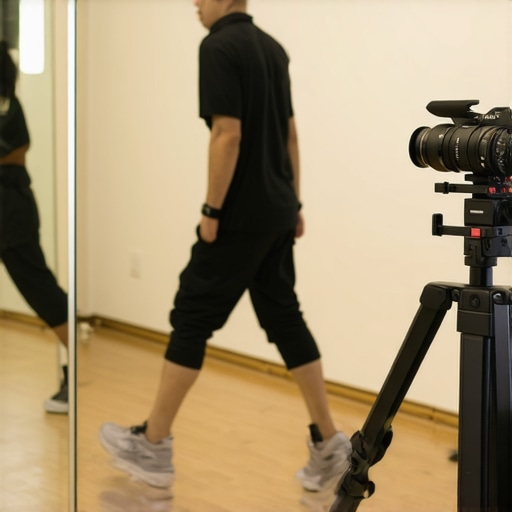
Start by paying close attention to your natural walk. Take a mirror and observe yourself walking, or record a video from the side to analyze your posture. Notice if your hips sway excessively, if one foot drags, or if you lean to one side. Think of your gait as a dance — even small missteps can throw off the entire routine. I once caught a sideways tilt in my walk when reviewing a quick video I took in my living room, which highlighted a subtle hip drop that caused back strain.
Identify Imbalances and Set Clear Goals
Spot Your Asymmetries
Look for uneven strides, shoulder height discrepancies, or hips that seem off-alignment. Is one foot always landing harder? Do your shoulders tilt when you walk? These clues point to balance issues or muscle tightness. For instance, I realized my right foot pressed down harder than the left, linked to a slight right hip tilt that contributed to my lower back pain. Your goal is to target these asymmetries to restore symmetry.
Implement Focused Mobility Exercises
Target tight or weak muscles that influence your gait. Incorporate hip flexor stretches, hamstring releases, and core stabilization drills. Think of your muscles as cogs in a machine — if one is jammed or weak, the entire system suffers. I added 10 minutes of hip-openers and core strengthening after my assessment, which slowly improved my stride. For detailed routines, check this guide.
Practice Gait Improvements with Conscious Adjustments
Walk with Intent and Balance
When walking, consciously focus on heel-to-toe contact, keeping your hips level and shoulders relaxed. Imagine walking on a tightrope, maintaining steady balance at all times. Use small cues like tightening your abdominal muscles before each step. In my experience, mindful walking initially felt awkward but gradually retrained my muscle memory to adopt a healthier pattern. It’s like guiding a bicycle with hand signals — deliberate and targeted.
Engage Your Posture During Movement
Maintain upright posture with a slight anterior tilt of the pelvis. Avoid leaning forward or backward excessively. Think of your body as a stack of blocks — try to keep each aligned. I used a mirror in my hallway, visually correcting my posture as I walked. Over time, my back pain lessened, proving the importance of conscious reinforcement.
Use Chiropractic Adjustments as Reinforcement
Schedule periodic visits with a qualified chiropractor who can fine-tune your spinal and pelvic alignment. Think of chiropractic care as mechanic service for your car — it ensures all parts work smoothly together, supporting your improvements. During sessions, focus on adjustments that help realign your pelvis and restore symmetry. I found that a session every four weeks complemented my gait training perfectly, helping me solidify better movement patterns. Learn more at this resource.
Maintain Progress with Daily Habits
Integrate mobility and posture exercises into your daily routine. Make it a habit to walk consciously, engage your core, and stretch tight muscles. Think of it as watering a plant — consistent care yields lasting growth. A simple habit of walking with a mindful posture during grocery shopping or while walking the dog amplified my results. Visit this page for practical tips to keep your progress on track.
Monitor and Adjust Regularly
Continuously assess your gait, posture, and back comfort. Use the mirror or record videos periodically. If you notice regressions, revisit your mobility exercises or consult your chiropractor. Remember, realignment is a journey, not a quick fix. My approach involved weekly self-assessments and monthly professional check-ins, which ensured steady progress. To deepen your understanding, explore this detailed guide.
Many people assume that chiropractic adjustments are a quick fix or that once you’ve been adjusted, your issues are completely resolved. However, this misunderstanding overlooks the nuanced nature of spinal health. The truth is, adjustments are most effective when integrated into a broader, holistic approach that includes mobility exercises and posture awareness. Relying solely on adjustments without addressing underlying movement patterns can lead to temporary relief but not long-term improvement.
Why Do Some Adjustments Fail Over Time?
A common misconception is that a single adjustment or session will permanently solve chronic issues. In reality, the body adapts, and if habitual poor posture or mobility restrictions remain unaddressed, problems can recur. Think of adjustments as fine-tuning your vehicle; without ongoing maintenance, performance diminishes. Engaging in targeted mobility routines, as outlined in this comprehensive guide, ensures that adjustments lead to lasting results.
Beware of the trap of complacency: believing that adjustments alone are enough can cause stagnation or even exacerbate issues if movement habits aren’t corrected. Regular self-assessment and professional guidance are key to maintaining progress.
Common Myths That Mislead Your Progress
One pervasive myth is that posture correction only involves static alignment—standing or sitting correctly at designated times. Yet, modern research, such as the study published in the Journal of Physical Therapy Science, emphasizes the importance of dynamic posture through mobility and stability exercises. Proper alignment in static positions is beneficial, but true resilience comes from mastering fluid, controlled movements that protect your spine during daily activities.
Additionally, many think that pain is always the primary indicator of misalignment. But subtle compensations may exist long before pain manifests, making proactive assessments crucial. As I’ve experienced, early intervention through improvements in mobility can prevent chronic pain from setting in.
Have You Fallen for These Misconceptions?
Understanding the intricacies behind adjustments and posture is vital for genuine progress. Instead of quick fixes, focus on building awareness and engaging in routines that support your spinal health holistically. Incorporate mobility practices from this expert resource and stay proactive rather than reactive. Remember, a balanced approach yields the best outcome.
So, have you ever fallen into this trap? Let me know in the comments — your experience might help others navigate their journey to better health.
Maintaining your improved posture and mobility over time requires the right combination of tools, consistency, and awareness. Personally, I swear by specific equipment and routines that keep my spine aligned and my muscles flexible, ensuring lasting results. A key tool I recommend is a high-quality foam roller. I use a dense foam roller after workouts and long days to release muscle tightness in my back, hips, and legs. It’s simple, portable, and incredibly effective at enhancing tissue flexibility — I like the one from TriggerPoint because of its firm density and durability. Incorporating regular mobility exercises with this roller has helped me prevent regressions in my progress. To track my improvements and stay motivated, I use a mobility app like ‘MobilityWOD’ temporarily, then rely on personal recordings to evaluate my form. Over time, I’ve noticed that setting specific, measurable goals — like being able to hold a deep squat for two minutes without pain — keeps my commitment strong.
Looking ahead, I predict that wearable technology will play an even bigger role in long-term posture care. Devices that provide real-time feedback during movement or sitting can remind you to adjust subconsciously, turning good habits into automatic responses. Imagine a smartwatch that vibrates when you slouch or a smart patch on your back that educates you about your posture throughout the day. The future of posture maintenance is heading toward seamless integration with daily tech, making proactive wellness easier.
How do I keep my posture and mobility habits sustainable over the years? The secret lies in simplicity and routine. Incorporate daily habits like conscious walking, targeted stretches, and periodic self-assessments. I recommend dedicating just 10 minutes daily to mobility drills, such as hip openers and thoracic extensions, that address common tight spots. Consistency trumps intensity—gentle repetition is more sustainable and less intimidating. Also, schedule periodic chiropractic check-ins; these professional adjustments help reinforce your progress and address any new misalignments before they worsen. Regular professional guidance, paired with your own commitment, forms a reliable foundation.
Remember, it’s not just about quick fixes but integrating these practices into your lifestyle. For example, I keep a small foam roller at my desk and stretch during breaks, which reminds me to move consciously and avoid stiffness. This ongoing awareness creates a feedback loop that maintains your gains. For deeper insight into maintaining mobility, check out this comprehensive guide. Ready to take it a step further? Try adding a daily 5-minute thoracic extension using a foam roller—it’s a simple, powerful move that can release years of tension in your upper back. Consistent use can dramatically improve your posture and reduce discomfort over the long run. If you’d like personalized advice or have questions about setting up your routine, don’t hesitate to reach out. Your ongoing commitment is the key to lasting change.
What I Overlooked About Movement and Pain—Until It Hit Me
One of the most crucial lessons I learned was that true back health isn’t just about occasional adjustments or static posture—it’s about the way we move every day. I used to believe that a quick chiropractic session was enough, but I’ve realized that sustainable relief requires continuous awareness of my mobility habits and movement patterns, which many overlook. This shift in mindset changed my approach from reactive to proactive, emphasizing everyday movement as the key to lasting back comfort.
Tools and Insights That Transformed My Healing Journey
My personal toolkit now includes a high-quality foam roller, which I use daily to maintain tissue flexibility and prevent regressions. Additionally, I swear by the routines outlined in this comprehensive guide; it’s helped me integrate mobility seamlessly into my life. For ongoing guidance, I trust this resource that emphasizes the synergy between adjustments and active movement. Staying engaged with these tools keeps my progress consistent and enduring.
Embrace the Power of Small Steps—Your Body Will Thank You
Progress in correcting gait and posture isn’t about massive overhauls—it’s about daily commitment. Incorporate mindful walking, targeted stretches, and regular check-ins; over time, these habits become second nature. Remember, your body thrives on consistency and gentle reinforcement. By taking small, deliberate actions now, you’re investing in a pain-free future. Are you ready to shift your focus from temporary fixes to lasting habits? Share your thoughts below—your story might inspire someone else to start their journey towards better mobility and posture.