
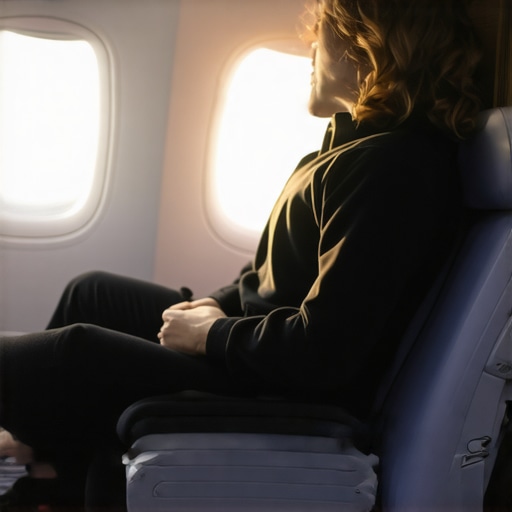
Imagine this: after hours crammed into a tiny airplane seat, you stand up feeling stiff, sore, and honestly, a bit defeated. That was me a couple of years ago. I’d thought my back was just going to take it, that long flights were unavoidable discomforts. But then, I had a lightbulb moment—realizing that my posture and mobility habits during those flights were making everything worse. I’ve since learned some practical, effective ways to support my spine when traveling long distances, and I want to share these tips with you. If you’ve ever felt that familiar ache or numbness creeping in after a flight, stay tuned. Today, we’ll dive into how simple adjustments and mobility hacks can transform your travel experience, keeping your spine healthy and pain-free.
Why Your Spine Suffers on Long-Haul Flights (And Why It Doesn’t Have to)
Sitting in the same cramped position for hours can wreak havoc on your back. The lack of movement causes muscles to tighten, discs to compress, and joints to stiffen. Over time, this can lead to chronic pain, reduced mobility, and even other health issues. I used to dismiss these symptoms as inevitable—until I discovered that even small changes make a big difference. For example, proper posture adjustments during the flight can help prevent that dreaded stiffness. In fact, a study published by the National Institutes of Health highlights how prolonged immobility affects spinal health, emphasizing the importance of maintaining movement even in limited spaces. Now, I never board a plane without a game plan to keep my spine happy. Are you familiar with the specific movements and postural tweaks that can make your flight more comfortable? If not, you’re not alone. That’s exactly what we’ll cover next. But first, let me tell you about a common mistake I made early on—underestimating the power of simple mobility exercises, which I now know are essential for a pain-free journey. If you’re curious about how to incorporate these strategies into your travels, keep reading. We’re about to turn your long-haul flight from a backache nightmare into a more manageable experience. For more in-depth tips, check out [this article on mobility hacks](https://quackersneck.com/mobility-hacks-simple-adjustments-for-a-more-active-life) that helped me personally turn things around.
Get Comfortable Before You Take Off
Start with a supportive pillow or lumbar roll, which you can slide behind your lower back to maintain the natural curve. I once traveled without mine and spent the entire flight trying to relieve a dull ache, only to realize that proper support from the start minimizes strain. To set it up, place the pillow in the small of your back as soon as you sit, adjusting until your spine feels aligned. Learn more about lumbar support techniques.
Adopt a Dynamic Sitting Routine
Avoid remaining static for hours. Every 20-30 minutes, perform micro-movements: gently tilt your pelvis forward and back, or do seated spinal twists. I remember one trip when I kept doing pelvic tilts—initially awkward—and by the end, I felt less stiffness and more mobility. To execute a pelvic tilt, sit upright, tighten your abdominal muscles, and flatten your lower back against the seat, then release. This promotes circulation and prevents disc compression. Think of it as giving your spine a mini workout, even in tight quarters.
Incorporate Standing and Stretching Breaks
Whenever possible, stand up, stretch, and walk around. During a flight, stand in the aisle momentarily and perform simple neck, shoulder, and back stretches—like gentle neck tilts and shoulder rolls. Even a quick minute can release accumulated tension. I once did a quick standing forward bend during a layover, which painfully cracked my back but left me feeling revitalized. Be mindful to keep movements smooth, avoiding jerky motions that could strain your joints.
Perform Targeted Mobility Exercises
Incorporate specific stretches and mobility drills to keep your spine flexible. For example, the thoracic spine (mid-back) benefits from rotation exercises. Sit upright, clasp your shoulders, and gently twist your torso to each side, holding briefly. These exercises are simple but powerful, much like tuning a guitar string back into place. I found that doing these daily before long trips drastically reduced post-flight discomfort. For a comprehensive routine, visit this guide on mobility exercises.
Practice Breathing and Relaxation Techniques
Deep diaphragmatic breathing helps reduce tension in the back muscles. Sit comfortably, place a hand on your belly, and inhale slowly, feeling your stomach rise. Exhale fully, then repeat. This calming practice prevents muscle tightening caused by stress or subconscious guarding. During a tense flight, I used this method to keep my back and shoulders relaxed, preventing pain from becoming overwhelming. Think of your breath as a reset button for your entire nervous system.
Use Gentle Chiropractic Adjustments as Needed
Sometimes, minor misalignments contribute to discomfort. Regular chiropractic care, especially targeted adjustments, can restore proper posture and mobility. For frequent travelers, consulting a chiropractor for personalized mobility and alignment strategies ensures you’re prepared. I experienced immediate relief after a quick session before a long trip, which reinforced how proactive care prevents issues down the line. To explore this further, check out the benefits of chiropractic adjustments.
Maintain Consistency and Mindfulness
The key is to build these habits into your travel routine. Consistently applying support, movement, and relaxation techniques prevents discomfort from escalating. Even if your initial attempts feel clumsy or inefficient, persistence yields results. Remember, your spine’s health depends on actions you take today—so stay mindful of your posture, stay active, and listen to your body’s signals. Over time, these small adjustments become second nature, transforming long flights into less stressful experiences.While many believe that correcting posture is simply about standing or sitting up straight, the reality is far more nuanced. A common misconception is that static alignment alone ensures spinal health. In truth, posture is dynamic, and focusing solely on positioning without considering function and mobility can lead to ineffective results or even aggravate issues. For instance, many individuals fixate on shoulder retraction, but neglect the importance of maintaining thoracic mobility, which is vital for optimal movement and pain prevention.
Why does most advice on posture fall short for advanced practitioners?Maintaining optimal posture and mobility over the long term requires more than just knowledge—it demands reliable tools and consistent routines. One of my go-to devices is a high-density foam roller, which I use daily to alleviate muscle tightness and promote fascia release. Unlike basic foam rollers, I prefer a textured design that targets specific areas, making my sessions more effective. For example, focusing on the thoracic spine with a roller helps improve mobility and prepare me for targeted exercises. Incorporating a solid quality lacrosse ball allows me to perform self-myofascial release on trigger points that commonly cause stiffness, especially in the shoulders and hips. I typically use it during my mid-day breaks to keep tension at bay. For software support, I rely on mobility tracking apps like MoveWell, which help me monitor my daily movement habits, reminding me to perform specific drills that keep my spine flexible. These tools are invaluable for establishing a routine and ensuring I don’t neglect critical areas as my schedule gets busy. Looking ahead, I believe wearable tech, such as posture sensors, will become increasingly sophisticated, providing real-time corrections and personalized recommendations to prevent issues before they arise.
So, how do I maintain these tools and practices over time? Regular maintenance involves cleaning my foam roller with disinfectant wipes every week and replacing it when it shows significant wear—often after about six months of consistent use. My lacrosse ball remains durable for years, but I inspect it regularly for cracks. As for my app subscriptions, I set recurring reminders to perform their suggested routines, integrating mobility drills seamlessly into my daily schedule. This consistent approach has translated into long-term improvements, reducing the frequency of stiffness and pain episodes.
If you’re serious about scaling your mobility efforts, I highly recommend investing in a quality foam roller tailored to your needs. It’s an affordable, accessible tool that, when used correctly, can dramatically enhance your progress. For a detailed guide on incorporating mobility tools into your routine, visit this resource about daily mobility enhancements. Remember, the key to lasting results is consistency and attention to detail—your spine will thank you!**Try integrating a textured foam roller into your routine today and experience firsthand how targeted self-myofascial release can keep your posture in check and your mobility fluid.**
What I Didn’t Know About Mobility That Changed Everything
One of the most profound lessons I learned is that posture isn’t a static achievement but a dynamic practice. Focusing solely on aligning shoulders or chin tuck without addressing the underlying mobility issues backfired for me, leading to fleeting fixes rather than lasting change. It took a series of personal revelations—like realizing that fascia tightness can undermine even perfect alignment—to truly grasp that consistent mobility work is essential. These insights have empowered me to integrate daily routines that support my spine every day, not just during a weekly session.
Why My Old Beliefs About Posture Held Me Back
Early on, I believed I just needed to sit up straight and hold my shoulders back—simple, right? Turns out, this myth ignored the importance of thoracic flexibility and the body’s natural movement patterns. Believing in static correction limited my progress and sometimes even caused more tension. Acknowledging that mobility and strength must go hand-in-hand opened my eyes to approaches like targeted foam rolling and gentle twists, which made a significant difference. Now, I see posture as a dance of function and flexibility, not rigidity.
What Cutting-Edge Tech Can Teach Us About Progress
Advancements in wearable sensors and tracking apps have revolutionized how I monitor my mobility habits. Devices that give real-time feedback on my posture during daily activities have highlighted habits I was unaware of—like compensating with one side or neglecting certain movements. These tools serve as personal trainers, reminding me to stay active and to perform specific drills that boost my spine’s resilience. Incorporating technology has turned reactive adjustments into proactive routines, pushing my progress beyond traditional methods.
Why Consistency Trumps Quick Fixes in Achieving Mobility Goals
Initially, I sought quick results—doing a few stretches here and there, hoping it would be enough. But I soon realized that lasting change requires daily commitment and a mindful approach. Small habits like using a foam roller in the morning, performing targeted stretches during breaks, and maintaining ergonomic awareness gradually built a resilient foundation. This consistent practice, reinforced by reliable tools and educational resources, helped me sustain improvements and prevented setbacks. Remember, your spine’s health is a marathon, not a sprint.