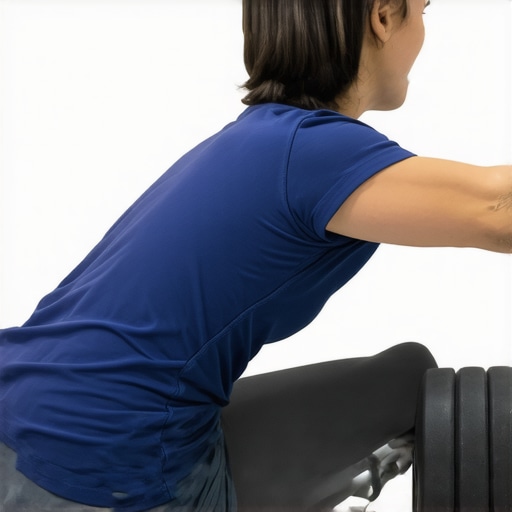
I still remember the day I woke up with a sharp pain shooting down my back after attempting to roll out some tension with my foam roller. It was a lightbulb moment—learning that not all foam rolling is created equal, especially when it comes to protecting our precious spines. If you’ve ever felt that sting or numbness after a session, you’re not alone. Many of us dive into foam rolling with good intentions but end up exacerbating our problems because we don’t know the proper technique.
Why Safe Foam Rolling Matters More Than You Think
Foam rollers are fantastic tools for relieving tight muscles and improving mobility, but if used recklessly, they can do more harm than good. The key is understanding how to use them without putting unnecessary strain on your spine. Early in my journey, I made a crucial mistake—pressing too hard on my lower back, thinking I was targeting my muscles, not realizing I was risking misalignments or injury. That experience taught me an important lesson: proper technique is everything, especially when it comes to spinal health.
Is Foam Rolling Actually Worth the Hype?
Absolutely, but only if you’re doing it correctly. Foam rolling can be a game-changer for mobility and pain relief, provided you follow safe practices. The concern many share is whether they’ll hurt themselves more than help. Well, I can assure you, with the right knowledge, you can enjoy all the benefits without the risks. For example, learning to avoid excessive pressure on vulnerable areas like the lower back or neck is essential. For a deeper dive into safe mobility practices, check out this guide on improving posture through mobility.
Identify Your Target Areas Carefully
Begin by pinpointing tight muscles without applying pressure directly on your lower back. Instead, focus on larger muscle groups like the glutes, hamstrings, and calves. During my own first attempt at foam rolling, I accidentally pressed too hard on my lumbar area, causing discomfort. Instead, I learned to gently hover my body, applying pressure only on the muscles, not the spine, which made a significant difference.
Use Proper Positioning and Support
Lie on your side or stomach with a pillow or rolled towel under your chest or hips for support. This reduces strain on your lumbar spine. Think of your body as a boat balancing on waves; proper support keeps you steady. Once, I was frustrated with aching hips after hours of foam rolling until I started using a cushion under my hips, which improved my technique and minimized unwanted pressure.
Master the Technique: Slow and Controlled Movements
Roll slowly over each muscle group in a controlled manner, about one inch per second, spending 20-30 seconds on each spot. Avoid rapid motions that can jar or overstimulate tissues. I once rushed through my foam rolling, which left me sore; adopting a slow, deliberate pace helped loosen knots effectively without causing discomfort.
Focus on Breathing and Relaxation
Inhale deeply as you prepare to roll, exhale slowly during the movement. Relaxing your muscles allows for better tissue release and prevents unnecessary tension. During a session, I unconsciously tensed up, limiting benefits. Breathing calmly transformed my experience, making the process feel more like a therapeutic act rather than an exercise.
Integrate Mobility Exercises
Complement foam rolling with targeted mobility drills to enhance spinal flexibility. For example, incorporate gentle thoracic twists or hip openers after rolling your glutes. I found that combining rolling with mobility work yielded faster improvements in posture and reduced stiffness, especially when I practiced daily. Check out this guide on mobility exercises for detailed routines.
Respect Your Limits and Progress Gradually
Don’t push into painful spots or overdo sessions. Gradually increase pressure and duration as your tissues adapt. When I started out, I was tempted to roll intensely, which led to soreness. Learning to listen to my body and easing up prevented setbacks and ensured consistent gains.
Many practitioners believe they understand posture and mobility, but recent insights reveal common misconceptions that can hinder progress. One prevalent myth is that perfect alignment equals fixed posture; in reality, posture is dynamic and context-dependent. For example, aiming for a static ‘ideal’ posture often leads to tension and compensations, rather than relief. A more nuanced approach considers mobility as a fluid component of movement, not just static positioning, which many overlook. Over-focusing on adjustments without understanding their functional implications can also backfire, causing compensatory patterns that exacerbate issues instead of alleviating them. This is where expert knowledge becomes crucial. According to Dr. Stuart McGill, a leading spine researcher, incorrect application of mobility drills or adjustments can increase injury risk if done inappropriately, especially if performed without proper assessment. Common pitfalls include rushing into deep stretches or adjustments without considering individual variability, which can cause microtrauma rather than healing. Moreover, many believe that more is always better—more stretching, more adjustments—but progression must be gradual. For advanced practitioners, understanding the precise biomechanics and neuromuscular responses is essential. For instance, in chiropractic care, a common mistake is relying solely on immediate symptom relief rather than addressing underlying movement dysfunctions. Learning to discern when a mobility correction is appropriate versus when it’s counterproductive is a subtle skill honed through experience. It’s about quality, not quantity. Recognize that subtle nuances, like the timing of mobilization or engagement of supporting muscles, make all the difference in long-term results. For those serious about mastering these practices, consider consulting expert-guided assessments or tailored routines. Doing so helps avoid the trap of applying generic solutions that may do more harm than good. If you’re aiming to elevate your approach, I recommend exploring targeted mobility exercises with a knowledgeable professional. For a comprehensive resource, visit [this guide on improving mobility and posture in 2025](https://quackersneck.com/the-ultimate-guide-to-improving-mobility-and-posture-in-2025). Remember, nuanced understanding and cautious application are your best tools. Have you ever fallen into this trap? Let me know in the comments.
Maintaining the gains you’ve achieved in posture, mobility, and spinal health requires the right tools and consistent effort. Over the years, I’ve refined a set of equipment and routines that help me stay on track and avoid regression. In this section, I’ll share the specific tools I use daily, why they work, and how you can incorporate them into your long-term routine to ensure sustained results.
Investing in Quality Mobilization Gear
One of my top recommendations is a high-density foam roller, like the TriggerPoint GRID. Unlike standard rollers, this model offers targeted firmness that helps release deep muscle knots without excessive pressure on the spine or joints. I personally prefer this because it provides consistent feedback and durability, which means I don’t need to replace it frequently. Using a well-made roller ensures that the mobility work I do is effective and safe, especially when focusing on areas like the thoracic spine or pelvis. Explore how quality tools can transform your mobility.
Adding Resistance Bands for Active Engagement
Another essential tool I incorporate is resistance bands, particularly loop bands like the Fit Simplify Loop Resistance Bands. They are versatile for strengthening stabilizing muscles, improving posture, and preventing injury. I’ll often use these during mobility drills to add resistance, promoting neuromuscular engagement that supports long-term posture correction. The benefit of resistance bands is their portability and adjustable tension, allowing me to customize the intensity as my strength improves. They help shift from passive stretching to active control, which is crucial for lasting change.
Leveraging Digital Aids for Skill Retention
In today’s tech-savvy world, apps like Personal Posture Coach serve as reminders and guides for daily mobility and adjustment exercises. I personally use this app to track my routines and receive prompts to realign during long workdays. This habit keeps me conscious of my posture and prevents me from falling into old patterns. Combining tactile tools like foam rollers and resistance bands with digital support creates a comprehensive approach that promotes consistency.
Planning for Future Trends: Smarter, Smarter Devices
Looking ahead, I predict a surge in smart wearable devices, such as posture coaches embedded in shirts or smart sensors that give real-time feedback. These innovations will make it easier to maintain proper alignment throughout the day without constant conscious effort. According to an article in JAMA Network Open, wearable health tech is poised to revolutionize posture management by providing immediate corrective cues, thereby embedding correct habits more naturally. Adopting such technology could become a game-changer in long-term spinal health maintenance.
How do I keep my posture improvements sustainable over the years?
The key lies in consistent use of reliable tools, integrating mobility routines into daily life, and embracing emerging technology for feedback and motivation. Regularly revisiting expert strategies, like those outlined in this comprehensive guide, ensures your efforts remain effective. For instance, try incorporating a weekly session with resistance bands combined with app-guided mobility drills to reinforce good habits. Making these tools a non-negotiable part of your routine guarantees that your progress endures, preventing the regression often caused by neglect or inconsistent maintenance.
Over the years, I’ve realized that true progress in posture and mobility often comes down to subtle shifts in mindset and approach. One of my most profound lessons was understanding that consistency trumps intensity. Pushing hard on a foam roller might feel like quick progress, but without mindful technique, it can backfire. Patience with gentle, deliberate adjustments fosters genuine change and prevents setbacks.
Unexpected Wisdom from My Posture Journey
Perfection is a Moving Target: Striving for the ‘ideal’ posture can cause unnecessary tension. Instead, focus on creating a resilient, adaptable spine that can handle daily stresses.
Small Repeated Actions Matter: Daily mobility habits, even if brief, outperform sporadic intense sessions. Incorporate quick stretches into routines like your coffee break for sustainable improvement.
Listening Helps More Than Training: Your body’s feedback is the best guide. Discomfort is a signal—honor it, and adjust your technique accordingly.
Education is Power: Understanding biomechanics, as explained in resources like this guide, transformed my approach from guesswork to strategic action.
Patient Progress Is Real Progress: Avoid fallacy of rapid fixes. Consistent, small improvements accumulate into lasting posture change.
Gear and Resources That Changed My Game
Having the right tools amplified my efforts. The TriggerPoint GRID foam roller became my reliable partner, providing deep tissue relief without risking my spine. Resistance bands like the Fit Simplify Loops added active engagement to my routine, boosting neuromuscular connection. Digital apps such as Personal Posture Coach kept me accountable, transforming passive routines into proactive habits. Looking forward, I’m excited about emerging tech, like smart sensors, which will offer real-time feedback and make maintaining posture even easier.
Embrace Your Path to Better Posture Today
Your journey toward improved posture and mobility isn’t just about adopting new techniques; it’s about cultivating a mindset that values steady, mindful progress. Every small step you take today helps build resilience against common setbacks. Remember, authenticity in your efforts and patience are your greatest allies in this process. If I can do it, so can you. Ready to start transforming your spinal health? Explore tailored routines and expert insights at my contact page and share your experiences. What’s the first subtle shift you’ll try today to improve your posture? Let me know below.