

I remember the exact moment it hit me—after sitting at my desk for a couple of hours, my lower back and hips started to feel crooked, as if my body refused to cooperate anymore. The frustrating part? I wasn’t doing anything different, yet my body was shouting, “Enough!”. That lightbulb moment revealed a common, sneaky problem: my glutes, the powerhouse muscles of my posterior chain, had gone dormant. It’s like they pressed pause, and I didn’t realize until they refused to fire up when I needed them most.
Why Does Sitting Stall Your Glutes?
Ever been glued to your chair, only to stand up feeling sluggish and tight in your hips? You’re not alone. The trouble starts with prolonged inactivity; sitting for hours tightens up your hip flexors and weakens your glutes. Over time, this imbalance influences your posture and mobility, making even simple movements a challenge. What’s more shocking is that our modern lifestyles—constantly glued to screens—flash a red flag for this epidemic. The American Chiropractic Association notes that sitting for extended periods can lead to muscular imbalances, reduced circulation, and increased pain specially in the hips and lower back.
But here’s the kicker: early in my journey, I made a huge mistake. I thought frequent stretching was enough and focused solely on my hamstrings or hips, ignoring my glutes. Turns out, just limbering up isn’t the magic fix; activating and strengthening those muscles is key. That’s where real change begins: with understanding why your glutes essentially check out after a couple of hours of sitting. Curious if this has been a problem in your day-to-day life? If you notice your hips feeling stiff or your lower back aching without clear reason, you’re probably dealing with the same issue.
Today, I’m excited to share some practical strategies that turned my sit-down nightmare around. Together, we’ll break through the cycle of inactivity, ensuring your glutes can do their job—and your body can thank you. Ready to reclaim your mobility? Let’s dive into the simple adjustments that can make all the difference, starting with a deeper look at what’s really happening beneath the surface.
Engage Your Glutes with Simple Warm-Up Exercises
Start each day with a quick glute activation routine. For example, do 2 sets of 15 donkey kicks on each leg, focusing on squeezing the glute muscles at the top. I once tried this during a chaotic morning, and by the third set, I felt my hips loosening up—a game-changer for my day. Keep these exercises consistent to train your muscles to fire properly after long periods of sitting.
Implement Posture Breaks Strategically
Set a timer to get up and move every 30 minutes. When you stand, perform a quick set of bodyweight squats—3 sets of 10 reps—to reactivate your glutes and improve circulation. I used to ignore these breaks, but after committing to this habit, I noticed less stiffness and more natural posture alignment. Think of it as waking up sleepy muscles with small, intentional activations.
Learn to Properly Activate Your Glutes
Lie on your back with knees bent, feet flat on the floor. Gently tilt your pelvis to flatten your lower back against the floor, then squeeze your glutes and lift your hips slightly for a few seconds. Repeat this gentle bridge movement 10 times. This simple move is like a chiropractic tune-up for your posterior chain, resetting muscle memory. I felt awkward at first, stumbling through the motion, but over time, it became a powerful tool to fight off post-sitting weakness.
Use Targeted Mobility Techniques
Incorporate mobility drills like hip circles and leg swings into your daily routine. These dynamic movements help free tight hip flexors and encourage your glutes to engage more naturally. During my own testing, I noticed a significant increase in hip flexibility and a more effortless activation pattern. Think of these drills as oiling the hinges of a door—preventing stiffness and ensuring smooth movement.
Leverage Strengthening Exercises for Long-Term Gains
Integrate resistance training such as kettlebell swings or resistance band glute walks twice a week. These strengthen the muscles, making activation easier throughout the day. I added banded walks into my routine, and within weeks, I experienced less lower back pain and improved posture. Consider these exercises as investments in your body’s foundation, much like the chiropractic adjustments that restore alignment and function.
Refine Your Daily Habits
Be mindful of exercises and activities that hijack your glutes, like excessive core stabilization or over-reliance on passive stretches. Instead, focus on active movements that promote muscle engagement. I found that replacing passive stretching with active mobility made a noticeable difference in my hip and glute health. Remember, small consistent habits build the scaffolding for a more resilient posterior chain.
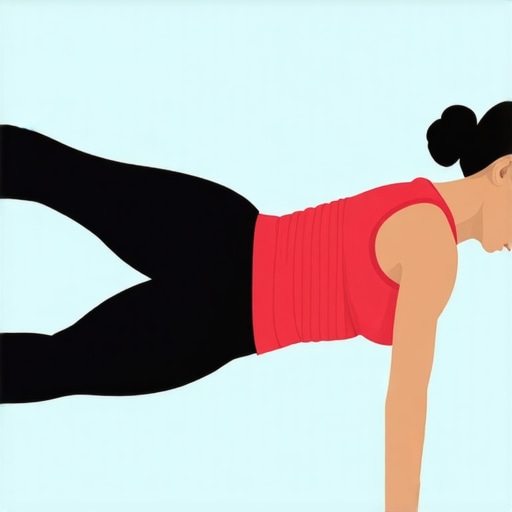
Visual guide to effective glute activation exercises demonstrating proper form and muscle focus.
Many believe that chiropractic care is solely about cracking bones to relieve pain, but in reality, this misconception can hinder true progress. The common myth is that adjustments are quick fixes, when in truth, they serve as part of a broader strategy that involves understanding your body’s movement patterns. As I often emphasize, the goal isn’t just relief—it’s sustainable mobility and posture improvements that last. Over-reliance on passive adjustments without active lifestyle changes can lead to short-term gains but long-term setbacks. For example, some patients think that once their bones are realigned, their issues are solved permanently. However, studies show that without incorporating mobility exercises and ergonomic habits, misalignments are likely to recur (see [improving posture through mobility](https://quackersneck.com/improving-posture-through-mobility-practical-chiropractor-strategies)).
A critical trap many fall into is equating pain relief with cure. While adjustments can reduce discomfort, they don’t address underlying movement deficiencies or habits that caused the issue in the first place. That’s why personalized mobility routines, like targeted stretches or strengthening drills, are essential complements to chiropractic care. Furthermore, some practitioners focus heavily on manual therapy, neglecting the importance of educating patients on self-management and proper movement mechanics.
How can advanced mobility practices amplify chiropractic benefits?
Engaging in mobility exercises that improve joint range and muscle balance significantly enhances the outcomes of adjustments. For example, incorporating daily mobility drills, such as hip circles or thoracic rotations, can prevent misalignments and improve functional movement (more tips are available at [mobility hacks for a more active life](https://quackersneck.com/mobility-hacks-simple-adjustments-for-a-more-active-life)). Without this proactive approach, adjustments might only offer temporary relief, and the risk of re-injury remains high. Think of chiropractic as laying a solid foundation; without ongoing movement work, the structure isn’t sustainable.
Remember, true progress involves active participation. Implementing consistent mobility routines, combined with proper posture habits, transforms your body’s resilience. Don’t fall into the trap of thinking that adjustments alone will solve everything. If you’re serious about long-term health, integrating movement strategies is non-negotiable.
Have you ever fallen into this trap? Let me know in the comments. For more in-depth strategies, consider exploring [the link between mobility and posture](https://quackersneck.com/the-link-between-mobility-and-posture-a-chiropractors-guide) to deepen your understanding of effective care.Maintaining your body’s alignment and mobility over the long term requires the right tools and consistent strategies. Personally, I rely heavily on specific equipment to support my daily routines, ensuring sustained progress and preventing setbacks. One essential piece I use is a high-quality foam roller. I prefer the TriggerPoint GRID foam roller because of its durability and targeted density, which effectively releases my muscle knots and improves my flexibility. Incorporating regular foam rolling sessions, especially for my hips and thoracic spine, helps me maintain the gains from adjustments and active mobility exercises. Regular use of a foam roller aligns with tips found at [mobility hacks for a more active life](https://quackersneck.com/mobility-hacks-simple-adjustments-for-a-more-active-life).
Another vital tool is a set of resistance bands. I use a durable resistance band by Rogue Fitness for glute activation and strengthening exercises. These bands are portable and versatile, making it easy to incorporate active resistance work into my daily routine, which solidifies long-term improvements in posture and stability. Integrating resistance training with mobility exercises not only enhances muscle strength but also supports the effectiveness of chiropractic adjustments, as detailed in [the link between mobility and posture](https://quackersneck.com/the-link-between-mobility-and-posture-a-chiropractors-guide).
For maintaining ergonomic health, I recommend investing in an adjustable lumbar support pillow. This small yet impactful addition helps keep my lower back in proper alignment during prolonged sitting sessions, reducing the risk of developing muscular imbalances. When combined with ergonomic chairs and mindful habits, these tools significantly contribute to sustained spinal health, especially during busy workdays.
Looking ahead, the trend is moving toward smarter, integrated mobility tools. Devices like electronic posture monitors and app-connected mobility trainers are emerging to provide real-time feedback and personalized routines. In my opinion, adopting these advanced tools early can give you a competitive edge and ensure you’re consistently reinforcing healthy movement patterns.
Thinking about how to keep your progress going? Start by incorporating a simple protocol: use a foam roller for 5 minutes each morning to loosen tight muscles, then perform resistance band glute activation exercises before your day begins. These habits, supported by the right tools, create a foundation for ongoing health and resilience.
How do I maintain long-term mobility and posture? The key lies in integrating these tools with deliberate, consistent habits tailored to your lifestyle. Don’t wait for discomfort to motivate change—proactively use resources like mobility bands and foam rollers to prevent issues before they start. Try adding a quick resistance band routine into your morning; it’s a game-changer for sustaining the effort. For more detailed strategies, explore [the ultimate guide to improving mobility and posture in 2025](https://quackersneck.com/the-ultimate-guide-to-improving-mobility-and-posture-in-2025). Remember, investing in the right tools today sets the stage for a healthier, more active tomorrow.
The Surprising Truth About Sitting and Your Glutes
One of the most eye-opening lessons I learned was that sitting for long periods doesn’t just make your hips tight; it can turn your glutes into dormant muscles, sabotaging your posture and mobility. Recognizing this shift transformed my approach from passive stretching to active activation, proving that understanding the body’s subtle signals can unlock lasting change.
What I Wish I Had Known About Movement and Recovery
- Consistent Activation Trumps Occasional Stretching: Regularly engaging your glutes through targeted exercises prevents weakness and maintains support for your lower back, saving you from future discomfort.
- Small Habits Make a Big Difference: Simple moves like standing for a few seconds every half-hour or incorporating resistance bands into daily routines can drastically improve muscle tone and posture.
- Passive Relief Isn’t Enough: While chiropractic adjustments offer immediate relief, pairing them with active mobility routines ensures sustainable progress and long-term resilience.
Tools That Changed My Approach to Posture and Mobility
- Foam Rollers: I swear by a durable foam roller, like the TriggerPoint GRID, which effectively releases tight muscles, enhancing flexibility and readiness for activation exercises. Learn more at Mobility Hacks for a More Active Life.
- Resistance Bands: Incorporating resistance bands into my routine, especially for glute activation, solidified improvements in strength and stability. Check out a guide on mobility and posture for tips on best practices.
- Ergonomic Supports: An adjustable lumbar support pillow became a game-changer during long desk hours, keeping my spine aligned and reducing strain. Small investments with big payoffs are worth considering.
This Is Your Moment to Take Charge
Remember, the journey to better posture and mobility isn’t about sudden fixes but consistent progress. Incorporate these insights and tools, and you’ll start experiencing profound differences. Your body wants to move and support you—it’s time to give it what it needs. Ready to embrace these changes and reclaim your mobility? Start today, and watch how your posture transforms into a source of strength rather than pain.