
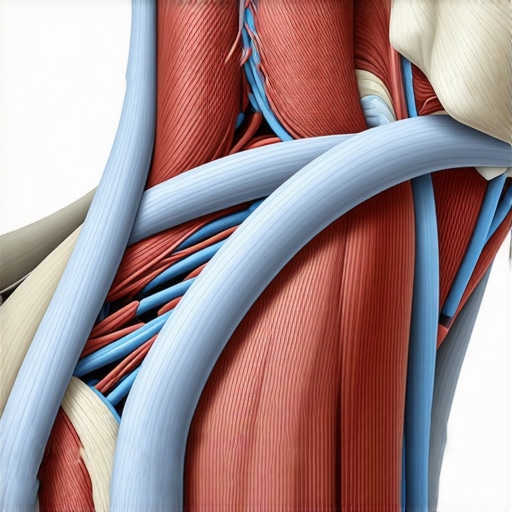
Ever had that instant where your jaw clenched unknowingly during a stressful meeting or a quiet moment at home, and suddenly, your upper neck feels stiff, tight, or downright painful? I used to dismiss it as just part of my daily stress—something I’d ignore until it went away. But one day, I realized that those jaw clenching episodes were causing more than just tired jaws; they were triggering persistent neck pain that wouldn’t budge no matter how many stretches or massages I tried.
That revelation changed everything for me. I dug into the connection between jaw tension and neck discomfort, learning that these issues are often intertwined—like two old friends who don’t realize they share the same problem. And here’s the kicker: many people, including myself early on, miss this vital link because the symptoms seem unrelated on the surface.
Why Jaw Clenching Might Be Sabotaging Your Neck Health
This isn’t just about a sore jaw after a dentist appointment. The reality is, habitual jaw clenching—also called bruxism—can lead to a cascade of issues that ripple through your neck muscles and spine. When you grind or tightly clench your teeth, it activates your masticatory muscles, which are closely connected to your upper cervical spine. Over time, this tension can cause or worsen upper neck stiffness and pain.
Consequently, this muscular tightness may also contribute to headaches, migraines, and even posture problems that make daily movements uncomfortable. It’s a cycle that’s easy to overlook because we tend to focus on the face or the neck independently, without realizing they’re part of the same story.
Early on, I made the mistake of focusing solely on neck stretches and ignoring my jaw. That was a mistake; I was addressing only part of the puzzle. According to the American Dental Association, bruxism affects about 15% of adults, and many don’t even know they do it—highlighting how common and insidious this issue can be (source: See here for more about muscle tension & pain).
This realization sparked my journey into understanding how to break this cycle. It’s not just about treating neck pain in isolation but recognizing that jaw health plays a crucial role. So, if you’ve been battling upper neck discomfort that stubbornly sticks around, keep reading. Soon, I’ll share how simple adjustments and awareness can make a massive difference in your pain levels—and maybe, just maybe, help you breathe a little easier, untethered from the tension.
Start with Mindful Jaw Relaxation
During stressful moments, become aware of your jaw. Place your tongue gently behind your front teeth and notice if you’re clenching. To activate the relaxation response, gently open your mouth slightly and breathe deeply through your nose, imagining your jaw melting downward. I practiced this during a tense phone call, and surprisingly, my jaw unclenched within minutes, reducing overall tension.
Implement Daily Mobility Circuits
Design a quick routine focusing on cervical and jaw mobility. For example, perform gentle neck circles: tilt your chin toward your chest, rotate your head slowly side to side, then lift your chin toward the ceiling. Add jaw open-close motions while keeping your shoulders relaxed. I set a timer and did this every morning; after a week, I noticed decreased stiffness and a more relaxed jaw posture.
Pick Complementary Exercises for Upper Body and Jaw
Incorporate chin tucks: sit or stand upright, pull your chin gently inward, as if making a double chin, then release. Link this with shoulder blade squeezes: imagine pinching a pencil between your shoulder blades. These movements improve posture and reduce muscle tension that can contribute to neck stiffness. I did these in the afternoon while working at my desk, and it helped me maintain better alignment.
Utilize Chiropractic Adjustments Strategically
Schedule regular chiropractic visits to align your cervical spine. Focus on gentle adjustments that restore proper positioning, especially if you notice persistent tension. Think of your spine like a tower of blocks—misalignment causes the whole structure to wobble. After my first adjustment, I felt an immediate relief in my neck and jaw muscles. Check out how chiropractic adjustments enhance posture and mobility for more insights.
Refine Your Posture Throughout the Day
Be conscious of your head position, especially when using devices. Maintain your screen at eye level to prevent forward head posture. Imagine balancing a book on your head—this promotes a neutral spine. I used to hunch over my phone; now, I hold it at eye level, which drastically reduces neck strain and jaw clenching.
Apply Tension-Relief Techniques as Needed
Use heat or cold packs to soothe tight muscles. A warm compress can increase blood flow, aiding relaxation. Alternatively, gentle self-massage targeting the jaw, neck, and shoulders releases knots. Remember, consistency is key: integrate these into your daily routine to prevent chronic tightness from returning.
Avoid Habitual Tension Traps
Identify triggers like grinding your teeth at night. Consider using a custom nightguard prescribed by your dentist. Also, foster awareness of habits such as chewing gum or biting nails that contribute to jaw tension. I kept a journal to log these habits, which made me realize how often I unconsciously tightened my jaw during work or social gatherings.
Many people believe that chiropractic adjustments are a quick fix or that once you hear a click, the problem is solved. However, this common misconception overlooks the nuanced science behind effective care. In my experience, some practitioners rely solely on manipulations without addressing the underlying muscular and neural patterns, which can lead to temporary relief but no long-term improvements. Recognizing that true correction requires a holistic approach—combining adjustments with mobility and posture strategies—is crucial for lasting results.
Why do some adjustments fail to produce sustainable improvement, and what advanced factors should be considered?
External experts point out that genetic predispositions, nerve sensitivities, and tissue plasticity significantly influence healing. According to a study published in the Journal of Orthopaedic & Sports Physical Therapy, personalized treatment plans that incorporate mobility exercises and neuromuscular retraining outperform generic adjustments alone. This highlights the importance of understanding the body’s complex adaptation mechanisms—a nuance many overlook.
Avoid the trap of believing adjustments are the complete solution. Instead, see them as a piece of the puzzle within a comprehensive strategy that includes mobility, posture refinement, and ongoing self-care. Delving into these advanced considerations can transform your health journey from short-term fixes to sustainable wellness.
For deeper insights on integrating these elements, check out the ultimate guide to improving mobility and posture in 2025, which emphasizes tailored techniques combining chiropractic care with functional movement. Remember, understanding the intricate relationship between alignment, muscle function, and neural pathways empowers you to make smarter choices about your health. Have you ever fallen into this trap? Let me know in the comments.Maintaining your posture and mobility over the long term requires more than just occasional stretches or chiropractic visits. Investing in the right tools can make a significant difference in sustaining your progress and even scaling your routine as your body adapts. One of my go-to pieces of equipment is the **foam roller**, which I use daily to target muscle tightness and improve my tissue flexibility. Unlike quick stretches, a well-used foam roller can break down adhesions in my fascia, promoting better movement and reducing the risk of injury; I use the **Trigger Point Therapy Foam Roller** because of its firm surface and durability, allowing me to apply precise pressure to stubborn knots. Additionally, I recommend **mobility sliders** for dynamic stretches, especially if you spend long hours at a desk; these sliders help activate deep stabilizers and improve joint range of motion—crucial for maintaining posture. I prefer the **Booty Band Resistance Loops** for glute activation drills, which strengthen key stabilizing muscles that support your spine and pelvis. For tracking progress and planning adjustments, I rely on **apps like MyFitnessPal** and **MobilityWOD**, which offer tailored routines and reminders to stay consistent.
Looking ahead, the trend points toward integrating **smart technology** into mobility tools—like sensors embedded in foam rollers that provide real-time feedback on pressure and coverage—making self-care even more personalized and effective. This evolution can help you identify tension patterns and target specific areas more efficiently.
### How can I ensure my exercises stick around in the long run?
Consistency is vital, but so is smart tool selection. A good starting point is to incorporate **daily mobility drills** using your foam roller or resistance bands, focusing on areas where tension tends to build up, such as hips, chest, and shoulders. Regular self-assessment—like recording your movement range with a basic goniometer or using smartphone apps—can help you recognize improvements and adjust intensity or frequency accordingly. Remember, scaling your routine gradually prevents overload and facilitates sustainable progress.
Another effective strategy involves scheduling periodic check-ins with a chiropractor or physical therapist to fine-tune your program, especially if you’re working on complex issues like jaw tension affecting neck mobility. These practitioners often recommend specific **mobilization tools** or **exercise modifications** based on your evolving needs, ensuring long-term results. For instance, I use the [ultimate guide to improving mobility and posture in 2025](https://quackersneck.com/the-ultimate-guide-to-improving-mobility-and-posture-in-2025) as a reference to adapt my routines as new techniques emerge.
Finally, embracing a mindset of proactive maintenance—like setting daily alarms for quick mobility breaks or dedicating weekends to comprehensive mobility sessions—can establish habits that last. One effective tip I personally use is to perform **posture check-ins** every few hours, using a mirror or a recording device, to correct alignment before tensions become ingrained. This approach makes a big difference over time.
If you’re eager to elevate your mobility routine, I highly suggest trying **targeted mobility exercises** with a resistance band, which can be scaled up or down based on your progress. Remember, consistency combined with the right tools and habits can transform your body’s resilience and movement quality.
Throughout my journey with posture and mobility, I discovered that the most profound lessons often come from the moments of frustration and unexpected breakthroughs. One of the hardest lessons I learned was how easy it is to rely solely on quick fixes like adjustments without addressing the underlying habits that create tension. I used to think that a quick chiropractic tweak was all I needed, only to find my discomfort returned within days, highlighting the importance of integrating mobility and posture strategies into daily life.
Another misconception I struggled with was believing that chiropractic care alone could correct long-standing posture issues without consistent self-care. It wasn’t until I adopted a comprehensive approach—combining adjustments with mobility exercises and mindful habits—that I experienced real, lasting change. This taught me that sustainable relief requires patience, commitment, and understanding the body’s complex interconnectedness, especially between jaw tension and neck health.
Finally, I realized that progress isn’t always linear—some days feel stagnant, and recovery can seem slow. Yet, each small milestone, like a better neck movement or reduced jaw clenching, builds a foundation for ongoing improvement. Embracing a mindset of continuous learning and self-awareness has been key, reminding me that the journey to pain-free mobility is a marathon, not a sprint.