
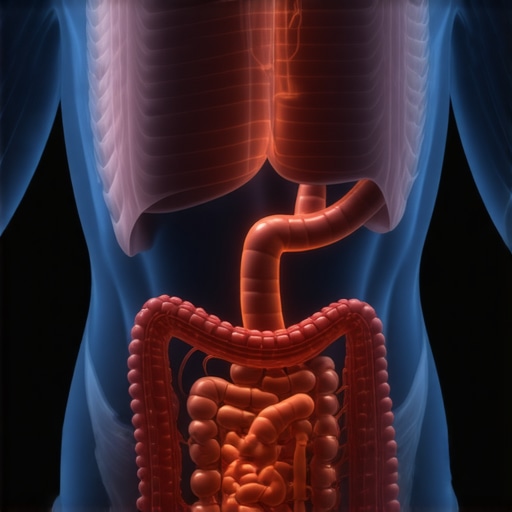
Have you ever been caught off guard by a dull, nagging pain in your mid-back after a big meal or a stressful day? I remember the first time it happened to me. I was leaning over the kitchen counter, feeling that persistent discomfort creeping up my spine, and I wondered, “Why now?” It was frustrating because I had always thought back pain was just about poor posture or lifting too much. But little did I know, my digestion was silently contributing to this discomfort.
Why Your Gut and Mid-Back Pain Are More Connected Than You Think
That lightbulb moment changed everything for me. I started paying attention to what I ate, how I moved, and whether my digestion was on point. Turns out, your digestive health and your mid-back pain are intertwined in ways that might surprise you. When your gut isn’t functioning optimally—say, due to bloating, constipation, or inflammation—it can create pressure and tension that radiate to your spine and muscles. This isn’t just my experience; studies show that gastrointestinal issues like acid reflux and bloating can refer pain to the back, mimicking musculoskeletal problems.
Understanding this connection is vital because it opens up new avenues for relief. Instead of solely focusing on posture corrections or chiropractic adjustments, addressing your gut health could be the missing piece in reducing those stubborn mid-back aches. If you’re tired of masking the pain with creams or pills, maybe it’s time to explore whether your digestion is silently sabotaging your comfort.
Is Your Focus on Posture Enough, or Are You Overlooking Your Digestion?
I admit, I was guilty of focusing only on my posture at first. I thought chiropractic care and exercises alone would solve the problem. But early on, I made the mistake of ignoring my digestive symptoms, thinking they were unrelated. That oversight delayed my progress and made me frustrated. Now I know that permanent relief involves a holistic approach—considering both musculoskeletal health and digestive wellness. If you want a comprehensive strategy, check out this guide on chiropractic care and posture for more insights.
So, how do you start bridging this gap? Well, it begins with understanding your symptoms and making some simple changes, which I’ll share in the next section. But first, I’d love to hear—have you noticed your digestive issues coinciding with back discomfort? If so, you’re not alone, and help is available.
Start with Gentle Movement and Posture Awareness
In my first attempt to tackle my back pain, I focused on stretching and posture corrections. I vividly recall spending an entire morning trying to sit straight at my desk, adjusting my chair and practicing chin tucks. Initially, it felt awkward, like trying to learn a new dance move with stiff legs. But over time, I realized that moving gently and consciously elevates blood flow and relaxes tense muscles, which can relieve pressure on your spine. Incorporate mobility drills like thoracic rotations and hip openers daily, as described in this comprehensive guide. Consistency here creates a foundation for better posture and digestion.
Incorporate Short, Focused Mobility Exercises
Visit this resource for simple routines. I dedicated five minutes each morning to gentle spine twists and shoulder rolls, which felt disruptive at first—like screwing in a loose bolt. But the effect was immediate: less stiffness and reduced pressure on my back. Think of your spine as a flexible pipe that needs regular flexing to prevent blockages—that’s what mobility exercises help prevent. Regular movement not only improves posture but also promotes healthy digestion by supporting optimal organ alignment.
Prioritize Correct Breathing as a Stress-Relief Tool
Making a conscious effort to breathe deeply into your belly can dramatically decrease muscle tension. I started practicing diaphragmatic breathing during breaks at work, imagining my stomach rising like a balloon. This simple action can lower cortisol levels—reducing inflammation and easing gut-related issues that contribute to back pain. For detailed techniques, look into this breathing guide. Proper breathing acts as a natural reset for your nervous system, calming the gut and relieving spinal tension simultaneously.
Adjust Your Daily Habits for Long-Term Relief
Assess your routine activities, like how you sit at your desk or carry groceries. I noticed I was unconsciously leaning on one hip while waiting for the bus, which over time created imbalance. Using a lumbar roll in my chair, as explained here, helped maintain proper spinal curvature, reducing strain. Small changes—like taking 30-second breaks to stretch or stand—break up prolonged pressure that aggravates both digestion and back health. Think of your body like a garden hose: frequent gentle waterings prevent buildup and blockages.
Optimize Your Diet to Support Digestion and Inflammation Reduction
Addressing gut health starts with what you eat. I eliminated processed foods and increased fiber intake, which reduced bloating and helped my digestion function smoothly. Incorporating probiotic-rich foods like yogurt or fermented vegetables can restore healthy gut bacteria, a process supported by research linking gut flora to inflammation levels. When your digestion improves, there’s less internal pressure pressing against your spine and muscles, easing mid-back discomfort. For detailed nutritional advice, explore this resource.
Many individuals believe that chiropractic adjustments alone can resolve all posture issues, but this oversimplification overlooks vital nuances. While adjustments can provide immediate relief, relying solely on them might mask underlying habits or mobility deficits that perpetuate problems over time. A common myth is that a single session can ‘fix’ posture, but evidence suggests that consistent, targeted mobility exercises are essential for lasting change. Chiropractic care can indeed enhance posture by restoring joint function, yet without active mobility work and ergonomic adjustments, benefits may be short-lived.
Beware of the trap of thinking adjustments are a quick fix—this can lead to dependency and neglect of proactive measures. Additionally, many people overlook the importance of nuanced movement patterns; for example, poorly executed mobility exercises or ignoring muscle imbalances can do more harm than good. Engaging in complex mobility routines without proper guidance might reinforce misalignments instead of correcting them.
Addressing the misconception that posture is purely static is crucial. Real improvements come from dynamic movement strategies that promote joint health and muscle flexibility. The link between mobility and posture isn’t linear; it involves understanding your body’s unique needs and avoiding cookie-cutter solutions. For instance, overemphasizing stretching without strengthening the core might worsen alignment issues. To gain a comprehensive perspective, explore this guide on mobility and posture.
**Is stretching enough, or should mobility exercises be tailored for each person?** This is a common question among advanced practitioners. The truth is, generic stretching routines may fall short if they don’t address specific joint restrictions or muscular compensations. Advanced techniques involve neuromuscular re-education and functional movement corrections. Experts emphasize the importance of consulting professionals who understand the interplay of mobility, strength, and alignment—think of mobility not just as stretching but as a strategic tool for optimal biomechanics.
In my experience, integrating mindful movement and regular positional awareness has yielded far better, sustainable results than passive adjustments alone. Remember, the goal is to build resilience and adaptability into your posture, not just temporarily realign your spine. For practical insights on how to develop your mobility routine, check out this article on mobility hacks.
Have you ever fallen into this trap? Let me know in the comments! Understanding these nuances can make the difference between fleeting relief and true, lasting posture health.
Maintaining the improvements you make through chiropractic care, mobility exercises, and posture adjustments requires the right tools and consistent strategies. Over the years, I’ve refined my arsenal to include specific equipment and methods that genuinely support my ongoing journey to better alignment and mobility.
Investing in Quality Mobility Aids
One game-changer for me has been a high-density foam roller, like the TriggerPoint GRID. Unlike cheap alternatives, its textured surface and firmness allow for targeted muscle release without hurting the spine. I use it daily to roll out tight areas, especially around the thoracic spine and hips, which are critical for maintaining mobility and posture. Regular foam rolling improves blood flow and reduces muscle tension, making adjustments more effective and lasting.
Another essential tool is a lumbar roll. I keep a compact, memory foam lumbar support in my office chair, which prevents me from slouching during long work sessions. Proper support helps sustain spinal curves, preventing habitual poor postures that undo progress.
Embracing Smart Technology
Modern apps and gadgets can complement physical tools. For example, chiropractic care is enhanced with biofeedback devices that alert you when you’re slouching or holding tension. The Upright GO posture trainer, which I personally use, vibrates gently when I slouch, reminding me to reset my posture. These devices reinforce awareness and encourage healthier habits throughout the day.
Looking ahead, wearable tech with AI-driven feedback could personalize mobility routines based on real-time data, making maintenance more efficient and tailored to your unique needs.
How do I maintain my improvements over time?
Consistency is key. Incorporate daily mobility routines, like the simple stretches and movements from this resource. Use tools like foam rollers and support props regularly, not just when discomfort appears. Schedule periodic check-ins with a chiropractor or physical therapist to adjust your routine and address new issues promptly. Remember, sustained results stem from proactive maintenance, not just reactive fixes.
To further solidify your progress, I recommend trying a dedicated mobility drill such as the thoracic extension with a foam roller, which has helped me significantly reduce upper back stiffness. Regularly practicing targeted movements prevents setbacks and keeps your body resilient against daily stresses and long-term wear.
Implementing these tools and strategies creates a robust support system for your posture and mobility. As the field advances, expect to see smarter, more integrated systems that make the maintenance process intuitive and personalized—stay tuned for those innovations.
The Hardest Lesson I Learned About Adjustments, Mobility, and Posture
One of my biggest insights came when I realized that relying solely on chiropractic adjustments was like applying a band-aid to a developing wound; it offered temporary relief but didn’t address the root causes. I used to think that quick fixes would sustain me, but I overlooked how crucial daily movement patterns and habits are in maintaining long-term posture health.
Another lesson was understanding the significance of tailored mobility routines. Blanket stretches didn’t work for me—personalized, targeted exercises made all the difference. This experience taught me that true progress comes from listening to your body and gradually building resilience, not just chasing immediate relief.
Lastly, I discovered that mindset shifts—viewing mobility as a lifelong journey rather than a quick fix—empower you to stay committed. The path to better posture and pain-free living involves patience, consistency, and a willingness to learn from your body’s signals.