
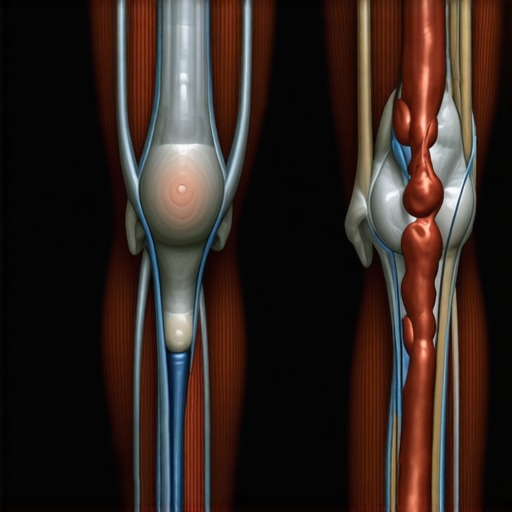
I remember the day I finally realized my legs felt like lead weights every time I took a step. One morning, during my usual walk, I felt a strange heaviness that seemed to grow with each stride. It was as if my legs had become stubborn blocks of concrete, making even the simplest walk exhausting. At first, I blamed the long hours of sitting or maybe just tired muscles, but it wasn’t going away.
Peeling Back the Layers of Heavy Legs
The truth hit me when I discovered that this sensation could be rooted in something more than just fatigue. Often, it’s a sign that your body’s mobility and posture are out of sync. Poor alignment or tight muscles can restrict blood flow and nerve signals, leading to that overwhelming heaviness. I was guilty of ignoring subtle signs, like stiffness and poor posture, which only worsened the problem.
What I will share today is how understanding and addressing these hidden issues can restore your mobility and energy. And believe me, it’s not just about feeling lighter—it’s about reclaiming your everyday vitality. If you’re tired of that sluggish, weighted feeling, keep reading.
Is Better Posture Actually Worth the Hype?
Initially, I doubted whether small adjustments could truly make a difference. My early mistake was thinking I only needed to stretch or rest—never considering the impact of proper spinal alignment. It’s a common misconception. The good news is that implementing targeted chiropractic adjustments and mobility techniques can decompress your nerves and improve circulation, which genuinely alleviates that heavy-legged sensation.
Want to explore effective, science-backed strategies? Check out the mobility tips for daily adjustments. Taking small, consistent steps towards better posture has helped countless individuals like you and me to walk with ease again.
So, ask yourself—have you felt this strange heaviness in your legs? If so, you’re not alone, and the good news is that relief could be simpler than you think. Up next, I’ll walk you through the practical steps to identify and correct the root causes of this nagging issue.
Align Your Spine for Lasting Relief
Start by assessing your posture and spinal alignment. Imagine your spine as the central support beam of a building; if it’s crooked, everything else becomes unstable. To correct this, perform daily chiropractic adjustments or mobility exercises that target your thoracic and lumbar regions. I remember a messy session where I used a simple thoracic mobility drill at my desk; initially, it felt awkward, like trying to straighten a wobbly fence post, but over time, my posture improved, and heaviness decreased.
Targeted Mobility Exercises Make a Difference
Incorporate specific movements designed to loosen tight muscles and restore joint function. For example, the thoracic mobility drill helped me unlock my upper back, reducing nerve compression that contributed to leg heaviness. Think of your joints as hinges; well-lubricated hinges move smoothly, preventing strain elsewhere.
Use Daily Adjustments to Support Posture
Consistent, small changes in your daily routine reinforce better alignment. Adjust your workspace setup—raise your monitor to eye level, use lumbar support, and set your chair height so your feet rest flat. I once forgot to adjust my desk, leading to slumped shoulders and increased leg heaviness—reminding me how vital an ergonomic setup is. Regularly reviewing and fine-tuning your posture is like tuning a guitar before a concert; it ensures optimal performance and comfort.
Sneak in Quick Mobility Hacks
Implement quick stretches and movements during the day to keep muscles active. The mobility hacks are simple: knee-to-chest stretches, hip circles, or ankle rotations—each helps promote blood flow and reduces tension. I use these hacks during long meetings, turning stiff, aching legs into a feeling of lightness, much like thawing frozen pipes in spring.
Commit to Consistent Posture Checks
Make it a habit to periodically evaluate your posture and make adjustments. Set alarms or reminders to sit upright, engage your core, and avoid slouching. Once, I set a timer every hour; initially, I felt embarrassed checking my back, but my legs soon felt more energized, almost like I had recharged my battery. Think of it as sharpening your tools—small, frequent care yields big results.
Understand the Connection Between Mobility and Nerve Function
Restricted movement can pinched nerves, causing sensations like heaviness. Ensuring your joints move freely helps preserve nerve signals and blood circulation. For deeper insight, explore how mobility influences posture and nerve health. My own experience of weekend stretches and adjustments led to noticeable improvements—like clearing traffic jams on a busy highway, smooth and uninterrupted flow.
Utilize Professional Help When Needed
Don’t hesitate to consult a chiropractor for tailored adjustments and guidance. They can identify hidden misalignments and recommend precise interventions. I once scheduled a session after several weeks of persistent heaviness; the chiropractor pinpointed a pelvic tilt that was subtly throwing off my gait. After a few sessions, I felt a surge of energy, like removing a heavy backpack you’d been carrying for too long.
Integrate These Techniques into Your Routine
Combine stretching, ergonomic setup, mobility exercises, and professional care into a cohesive plan. Remember, consistency is key—like tending a garden, regular effort yields the most vibrant blooms. Small, deliberate steps will gradually lift the heaviness, restoring your ease of movement and vitality.
Many people assume that simply stretching regularly or using posture braces will solve long-standing mobility issues. However, these surface strategies often miss the deeper nuances that can make or break your progress. For example, a prevalent misconception is that all postural problems are purely muscular when, in reality, joint misalignments and nerve function play significant roles. Recognizing these subtleties can prevent wasted effort and accelerate your path to optimal movement.
A critical trap many fall into is relying solely on generic advice without considering individual biomechanics. For instance, aggressively stretching tight muscles might temporarily loosen them, but without addressing underlying joint restrictions, you risk reinforcing poor movement patterns. This is where targeted **chiropractic adjustments** shine—they focus on restoring joint mobility and nerve integrity, which are foundational for sustainable improvements. For an in-depth look, explore how chiropractic care can specifically enhance posture and mobility through tailored interventions.
A common myth is that chiropractic adjustments provide only temporary relief, leading many to dismiss their long-term benefits. In fact, professionals have documented how consistent adjustments, combined with mobility exercises, can lead to lasting improvements in spinal health and movement quality [source: peer-reviewed chiropractic studies]. Properly applied, these techniques can re-educate your nervous system to maintain optimal alignment, reducing the risk of recurrence.
From my experience, one overlooked aspect is the importance of integrating mobility work into your daily routine rather than relying solely on occasional visits. Think of adjustments as a tune-up—regular maintenance keeps everything running smoothly, but daily mobility exercises reinforce this improvement and address compensatory patterns. Engage in simple drills like thoracic rotations or hip openers, which directly influence core alignment. Check out practical strategies on [improving mobility through mobility hacks](https://quackersneck.com/mobility-hacks-simple-adjustments-for-a-more-active-life) to incorporate into your day.
Another hidden nuance involves the timing and sequencing of interventions. Performing stretching immediately after an adjustment may sometimes counteract the benefits if not properly timed or tailored. Understanding how to sequence your mobility, strengthening, and ergonomic habits is a nuanced skill—one that separates casual effort from effective progress.
Finally, beware of the trap of expecting quick fixes. Lasting change requires addressing the root causes—be it joint restrictions, nerve impingements, or habitual postural strain—rather than just symptoms. For advanced readers, exploring expert insights on [how chiropractic adjustments enhance posture and mobility](https://quackersneck.com/how-chiropractic-adjustments-enhance-posture-and-mobility) can provide a roadmap for strategic, long-term health.
Have you ever fallen into this trap of oversimplification? Let me know in the comments. Remember, understanding these subtle distinctions can unlock true progress and prevent setbacks on your journey to better movement.
Building a Toolbox for Lasting Mobility and Posture
Maintaining the gains you’ve achieved through chiropractic adjustments and mobility exercises requires the right tools and consistent strategies. Over the years, I’ve refined my personal toolkit to include specific equipment and apps that make upkeep manageable and effective.
One cornerstone of my routine is the use of a high-density foam roller. Unlike softer rollers, a dense foam roller delivers deep tissue massage and helps release muscle knots that can revert to tightness if neglected. I personally favor the TriggerPoint GRID Foam Roller because of its firm surface and grid pattern that target specific muscle groups efficiently. Incorporating daily rolling sessions, especially on the thoracic and lumbar regions, keeps my spine mobile and eases nerve tension, reducing the risk of heaviness or stiffness returning.
Another invaluable tool is a set of resistance bands. I use them not just for stretching but to reinforce the movement patterns learned during chiropractic sessions. Resistance bands allow for controlled strengthening of stabilizer muscles around the pelvis and spine, providing a foundation for better posture. For example, I perform resisted hip hinges to improve pelvic alignment, which directly benefits my overall mobility.
Digital apps like mobility hack guides and posture tracking software enable me to monitor progress and stay accountable. These apps often include reminders for corrective exercises I might forget, especially during hectic weeks. I’ve found that early detection of recurrent issues through periodic self-assessment helps me adjust my routine proactively.
Investing in a portable sit-stand desk converter has revolutionized how I maintain good posture at work. Alternating between sitting and standing not only alleviates pressure on the lumbar spine but also encourages movement, which is crucial for long-term health. The ease of transition and ergonomic adjustments mean I can stay aligned without major overhauls in my work setup.
Looking ahead, I predict that technology will further personalize self-care. Devices equipped with biofeedback sensors and AI-driven posture correction will become more accessible, making maintenance even more precise and effortless. For now, simply integrating a foam roller and resistance bands into your routine, combined with periodic self-assessments, greatly enhances your ability to sustain progress.
How can I sustain my mobility improvements over time?
The key is consistency and smart equipment use. Regularly incorporating targeted tools like foam rollers, resistance bands, and ergonomic accessories keeps your body responsive and prevents regressions. Additionally, leveraging digital resources—such as posture-tracking apps and online guides—can help you identify and address minor setbacks before they escalate. I recommend setting up a weekly check-in with yourself to evaluate posture, mobility, and the effectiveness of your tools, adjusting your plan accordingly.
For a comprehensive approach, consider consulting a professional for a tailored maintenance plan that integrates these tools into your lifestyle. Remember, even simple acts like a daily foam rolling session or resistance band workout, when done consistently, can safeguard your progress and keep you moving with ease. Ready to upgrade your toolkit? Try incorporating a foam roller into your daily routine today and notice how quickly your posture stabilizes and heaviness diminishes.
One of the most profound insights I gained was realizing that persistent heaviness in my legs wasn’t just about tired muscles, but a sign of deeper imbalances. The biggest lesson was that small, consistent adjustments can create a ripple effect, transforming not only posture but overall vitality. If I had known earlier how crucial daily mobility routines are, I would have started sooner—it’s about empowering yourself to take control of your health instead of waiting for pain to demand attention. Recognizing habits that sabotage posture—like slouching at my desk or neglecting active recovery—has been eye-opening, revealing the importance of mindfulness in everyday movements and the incredible impact a dedicated routine can have on your life. These realizations motivate me to keep learning and sharing, knowing that true progress comes from patience, persistence, and gentle consistency.