
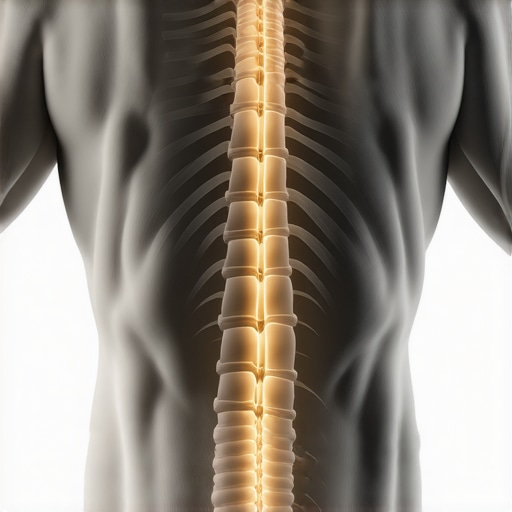
Have you ever experienced that sharp ache in your lower back after a long day, only to realize that even your favorite sit-up routine didn’t seem to help? I recall a time when I was diligently doing countless crunches, expecting stronger abs to shield my spine. Yet, the discomfort persisted, and I felt like I was fighting a losing battle. That lightbulb moment hit me hard: it’s not just about having visible abs; it’s about understanding what truly supports your back.
The Power of Your Core Behind the Scenes
What I learned through my own journey is that your core isn’t just the six-pack you’ve been chasing; it’s a complex network of muscles working together to stabilize your spine. When these muscles, especially the deep ones, are weak or neglected, your back bears the brunt of everyday movements and poor posture. According to a study published in The Journal of Orthopaedic & Sports Physical Therapy, core stability plays a pivotal role in preventing low back pain, more so than just flaunting muscle tone.
Here’s the thing: many of us mistakenly prioritize visible abs, thinking that sculpted abs automatically mean a resilient back. I was guilty of this misconception early on, overlooking the importance of deep, stabilizing muscles like the transverse abdominis and multifidus. Focusing solely on superficial muscles might give you a temporary aesthetic win but neglects the real backbone of back health. That was my mistake, and I bet many of you might be making the same one.
Are You Wasting Time on the Wrong Exercises?
It’s tempting to believe that crunches and sit-ups are the magic formulas for a strong core. But if your goal is to protect your back and improve posture, these exercises are just scratching the surface. Instead, effective back support starts with strengthening the deep core muscles, which are often overlooked in standard workouts. Want to learn how to target these vital muscles and prevent back pain? Keep reading, because we’re about to dive into practical strategies that can transform your spinal health.
If you’ve ever felt frustrated by persistent back discomfort despite regular workouts, you’re not alone. And knowing the true role of your core might be the game-changer you need. For more insights on optimizing your mobility and posture, check out this comprehensive guide.
Now, let’s get into how you can rebuild your core support system from the inside out, starting today.
Engage Deep Core Muscles with Precision
Start by learning to activate muscles like the transverse abdominis. Lie on your back, place your fingers just inside your hip bones, and gently draw your belly button inward without holding your breath. This isolation helps train your deep muscles, acting as the backbone of your spine support. I remember practicing this during a morning routine; initially, it felt awkward, but over weeks, I felt my lower back pain diminish significantly.
Incorporate Functional Movements Daily
Instead of generic crunches, focus on movements that mimic real-life activities. For example, perform hip hinges by pushing your hips back while maintaining a neutral spine—think about how you bend to pick up groceries. This movement engages your glutes and hamstrings while reinforcing spinal stability. A simple way I integrated this was by consciously using hip hinge during laundry tasks, which gradually improved my posture and reduced back strain.
Leverage Chiropractic Adjustments for Alignment
Misaligned vertebrae can sabotage your strengthening efforts. Regular chiropractic adjustments realign the spine, creating a solid foundation for your core workouts. I visited a chiropractor after noticing persistent discomfort; the adjustment felt like hitting reset on my posture, making future exercises more effective. To explore holistic strategies, consider consulting a professional at this resource.
Implement Targeted Mobility Drills
Mobility exercises open up stiff joints, allowing muscles to work efficiently. Focus zones include hips, thoracic spine, and shoulders. Perform gentle thoracic rotations by swinging your arms and rotating your upper back to loosen tightness. I added a quick 5-minute drill before my morning stretches, which noticeably improved my posture during the day and reduced tension in my neck. For specific routines, see targeted mobility drills.
Optimize Everyday Posture Habits
Tiny changes in daily habits prevent long-term damage. When sitting, ensure your hips are all the way back in your chair, feet flat on the floor, and use a lumbar roll for support. I caught myself slouching during long desk sessions and started setting a reminder every hour to sit upright. This alone reduced my back fatigue. For practical tips, visit posture improvements.
Practice Consistency Over Intensity
Building core strength is a marathon, not a sprint. Dedicate 10-15 minutes daily to these core activation and mobility exercises. I kept a journal to track progress, which motivated me through plateaus and setbacks. Remember, even messy starts lead to noticeable benefits over time.
Integrate Manual Therapy and Self-Care
Complement mobility and strengthening with self-myofascial release methods like foam rolling, especially targeting the lower back and hips. I use a foam roller post-workout, which helps reduce muscle tightness and discomfort. For deeper relief, periodic visits to a chiropractor can ensure your spine stays aligned, maximizing your efforts. Learn more about integrating these techniques at chiropractic care for mobility.
Many assume that visiting a chiropractor or doing mobility exercises is a straightforward fix for back pain and poor posture. However, the truth is more nuanced, and some common beliefs can actually hinder progress. For instance, a widespread myth is that all spinal adjustments provide instant relief; in reality, research published in the journal Spine highlights that consistent, targeted therapy yields more sustainable results. Relying solely on adjustments without integrating mobility and strengthening routines can lead to short-term relief but long-term issues.
Mistakenly, many people think that cracking your neck or back is harmless and even beneficial. But frequent self-manipulation without professional oversight can cause hypermobility or nerve irritation, leading to worse problems over time. Always consult qualified practitioners for manual therapies and avoid attempting to ‘fix’ your spine solo.
A critical nuance many overlook is that posture correction isn’t just about holding certain positions; it involves retraining your neuromuscular system to adopt healthier habits. This process requires patience and consistency, not quick fixes. For example, focusing exclusively on external cues, such as how you sit, without addressing internal muscle activation can lead to rebound slouching. To deepen your understanding, explore this expert-guided approach.
Are you aware of the advanced mistakes that might be sabotaging your efforts? For example, overcorrecting your posture during exercises can reinforce improper movement patterns instead of correcting them. It’s essential to develop awareness of subtle misalignments and to work with professionals who integrate mobility, strength, and alignment strategies.
Don’t fall into the trap of oversimplification. True progress demands a comprehensive and nuanced approach that considers the interconnectedness of muscles, joints, and nervous system. If you’re unsure whether your current routine hits all these marks, schedule a consultation through this link. Remember, mastery of your spinal health requires more than generic advice—it’s an ongoing, personalized journey. Have you ever fallen into this trap? Let me know in the comments.Maintaining the progress you’ve made in optimizing your posture and spinal health requires effective tools and methods that fit seamlessly into your daily routine. I personally rely on a combination of specific equipment and digital resources to keep my mobility at its peak. The key is choosing tools that are tailored to target deep stabilizing muscles and improve alignment without overcomplicating things. In this article, I’ll share exactly what works for me and where I see this trend heading.
One indispensable tool I use regularly is a *lumbar roll*. Unlike generic cushions, my lumbar roll is adjustable and made with memory foam, allowing me to maintain proper lumbar curvature during long hours at the desk. It’s lightweight and easy to carry, making it ideal for workspaces or even car drives. Consistent use helps me sustain good posture and prevents me from reverting to poor habits.
Another game-changer is a *foam roller*, specifically the dense type with a textured surface. I incorporate it post-workout to target my lower back and hips, which tightness often hampers my mobility. What I appreciate about quality foam rollers, like the TriggerPoint GRID, is their ability to reach deep fascia layers. Regular foam rolling complements chiropractic adjustments and mobility drills quite effectively.
For ongoing mobility assessments, I recommend a *digital posture analysis app*. Apps such as Upright’s posture correction software use your phone’s camera to analyze your alignment, providing real-time feedback. I utilize it once a week to track subtle shifts in my posture, ensuring that I stay aligned over months and avoid regressions.
To organize all these tools, I turn to a simple yet powerful *fitness and mobility journal*. Tracking my daily routines, pain levels, and progress has been invaluable. It helps me identify what practices yield the best results and where I need to adjust my focus. Studies show that journaling can significantly enhance adherence to exercise routines and improve long-term outcomes.
Looking ahead, I predict a rise in smart wearable devices that automatically monitor spinal positions and provide gentle corrective cues. Biometric data from smart textiles embedded with sensors could notify you when you slouch or shift out of alignment—much like a personal chiropractic assistant. As technology advances, integrating these tools could make maintaining spinal health more intuitive and less reliant on manual checks.
### How do I keep my mobility routine effective over time?
To sustain these improvements, consistency is everything. I recommend establishing a dedicated daily time for mobility exercises and using tools like the lumbar roll and foam roller regularly. Additionally, leveraging mobile apps for posture feedback ensures you can correct yourself before habits become ingrained. For further personalized guidance or to address persistent issues, don’t hesitate to reach out via this contact page. Remember, the right tools combined with disciplined practice and professional support pave the way to lasting spinal well-being. Want to give one of these tools a try today? Start with the foam roller—see how it helps release tension and improve mobility in just a few minutes!
Lessons That Took Me by Surprise
- One of the hardest truths I uncovered was that focusing only on visible abs can actually hinder your back health. It took me realizing that deep stabilization muscles play a critical role—something I had ignored for too long.
- Another insight was that improper movement patterns often mask as flexibility issues. Learning to perform functional movements with a focus on spinal alignment transformed my approach and my results.
- Lastly, I discovered that consistency beats intensity every time. Small, daily habits like using a lumbar roll or practicing mindful posture made all the difference over weeks and months.
Tools That Changed My Perspective
- Adult mobility apps—like Upright—help me stay aware of my posture throughout the day. Their real-time feedback keeps me accountable and prevents bad habits from creeping in.
- High-quality foam rollers—I personally swear by the TriggerPoint GRID for releasing tension and improving my mobility after workouts or long sitting sessions.
- Adjustable lumbar supports—these have become essential for maintaining proper spinal curves during work hours, especially when sitting for extended periods.
- Educational resources—like the comprehensive mobility and posture guide, which deepened my understanding of how interconnected these systems truly are.
Your Next Step Toward Back Confidence
Remember, taking charge of your spinal health isn’t about quick fixes but developing mindful habits and utilizing effective tools. Your body is remarkably adaptable—by making small adjustments daily, you can achieve lasting improvements. If you’re ready to make that leap, reach out through this link for personalized guidance, or explore new mobility practices with the resources provided. Your back deserves this commitment—start today and embrace a healthier, more mobile life.
What’s one habit you’re willing to change to support your back’s well-being? Share your thoughts below—let’s inspire each other!
}#}}#}#}#}#}#}#}#}#}#}#}#}#}#}#}#}#}#}#}#}#}#}#}#}#}#}#}#}#}#}#}#}#}#}#}#}#}#}#}#}#}#}#}#}#}#}#}#}#}#}#}#}#}#}#}#}#}#}#}#}#}#}#}#}#}#}#}#}#}#}#}#}#}#}#}#}#}#}#}#}#}#}#}#}#}#}#}#}#}#}#}#}#}#}#}#}#}#}#}#}#}#}#}#}#}#}#}#}#}#}#}#}#}#}#}#}#}#}#}#}#}#}#}#}#}#}#}#}#}#}#}#}#}#}#}#}#}#}#}#}#}#}#}#}#}#}#}#}#}#}#}#}#}#}#}#}#}#}#}#}#}#}#}#}#}#}#}#}#}#}#}#}#}#}#}#}#}#}#}#}#}#}#}#}#}#}#}#}#}#}#}#}#}#}#}#}#}#}#}#}#}#}#}#}#}#}#}#}#}#}#}#}#}#}#}#}#}#}#}#}#}#}#}#}#}#}#}#}#}#}#}#}#}#}#}#}#}#}#}#}#}#}#}#}#}#}#}#}#}#}#}#}#}#}#}#}#}#}#}#}#}#}#}#}#}#}#}#}#}#}#}#}#}#}#}#}#}#}#}#}#}#}#}#}#}#}#}#}#}#}#}#}#}#}#}#}#}#}#}#}#}#}#}#}#}#}#}#}#}#}#}#}#}#}#}#}#}#}#}#}#}#}#}#}#}#}#}#}#}#}#}#}#}#}#}#}#}#}#}#}#}#}#}#}#}#}#}#}#}#}#}#}#}#}#}#}#}#}#}#}#}#}#}#}#}#}#}#}#}#}#}#}#}#}#}#}#}#}#}#}#}#}#}#}#}#}#}#}#}#}#}#}#}#}#}#}#}#}#}#}#}#}#}#}#}#}#}#}#}#}#}#}#}#}#}#}#}#}#}#}#}#}#}#}#}#}#}#}#}#}#}#}#}#}#}#}#}#}#}#}#}#}#}#}#}#}#}#}#}#}#}#}#}#}#}#}#}#}#}#}#}#}#}#}#}#}#}#}#}#}#}#}#}#}#}#}#}#}#}#}#}#}#}#}#}#}#}#}#}#}#}#}#}#}#}#}#}#}#}#}#}#}#}#}#}#}#}#}#}#}#}#}#}#}#}#}#}#}#}#}#}#}#}#}#}#}#}#}#}#}#}#}#}#}#}#}#}#}#}#}#}#}#}#}#}#}#}#}#}#}#}#}#}#}#}#}#}#}#}#}#}#}#}#}#}#}#}#}#}#}#}#}#}#}#}#}#}#}#}#}#}#}#}#}#}#}#}#}#}#}#}#}#}#}#}#}#}#}#}#}#}#}#}#}#}#}#}#}#}#}#}#}#}#}#}#}#}#}#}#}#}#}#}#}#}#}#}#}#}#}#}#}#}#}#}#}#}#}#}#}#}#}#}#}#}#}#}#}#}#}#}#}#}#}#}#}#}#}#}#}#}#}#}#}#}#}#}#}#}#}#}#}#}#}#}#}#}#}#}#}#}#}#}#}#}#}#}#}#}#}#}#}#}#}#}#}#}#}#}#}#}#}#}#}#}#}#}#}#}#}#}#}#}#}#}#}#}#}#}#}#}#}#}#}#}#}#}#}#}#}#}#}#}#}#}#}#}#}#}#}#}#}#}#}#}#}#}#}#}#}#}#}#}#}#}#}#}#}#}#}#}#}#}#}#}#}#}#}#}#}#}#}#}#}#}#}#}#}#}#}#}#}#}#}#}#}#}#}#}#}#}#}#}#}#}#}#}#}#}#}#}#}#}#}#}#}#}#}#}#}#}#}#}#}#}#}#}#}#}#}#}#}#}#}#}#}#}#}#}#}#}#}#}#}#}#}#}#}#}#}#}#}#}#}#}#}#}#}#}#}#}#}#}#}#}#}#}#}#}#}#}#}#}#}#}#}#}#}#}#}#}#}#}#}#}#}#}#}#}#}#}#}#}#}#}#}#}#}#}#}#}#}#}#}#}#}#}#}#}#}#}#}#}#}#}#}#}#}#}#}#}#}#}#}#}#}#}#}#}#}#}#}#}#}#}#}#}#}#}#}#}#}#}#}#}#}#}#}#}#}#}#}#}#}#}#}#}#}#}#}#}#}#}#}#}#}#}#}#}#}#}#}#}#}#}#}#}#}#}#}#}#}#}#}#}#}#}#}#}#}#}#}#}#}#}#}#}#}#}#}#}#}#}#}#}#}#}#}#}#}#}#}#}#}#}#}#}#}#}#}#}#}#}#}#}#}#}#}#}#}#}#}#}#}#}#}#}#}#}#}#}#}#}#}#}#}#}#}#}#}#}#}#}#}#}#}#}#}#}#}#}#}#}#}#}#}#}#}#}#}#}#}#}#}#}#}#}#}#}#}#}#}#}#}#}#}#}#}#}#}#}#}#}#}#}#}#}#}#}#}#}#}#}#}#}#}#}#}#}#}#}#}#}#}#}#}#}#}#}#}#}#}#}#}#}#}#}#}#}#}#}#}#}#}#}#}#}#}#}#}#}#}#}#}#}#}#}#}#}#}#}#}#}#}#}#}#}#}#}#}#}#}#}#}#}#}#}#}#}#}#}#}#}#}#}#}#}#}#}#}#}#}#}#}#}#}#}#}#}#}#}#}#}#}#}#}#}#}#}#}#}#}#}#}#}#}#}#}#}#}#}#}#}#}#}#}#}#}#}#}#}#}#}#}#}#}#}#}#}#}#}#}#}#}#}#}#}#}#}#}#}#}#}#}#}#}#}#}#}#}#}#}#}#}#}#}#}#}#}#}#}#}#}#}#}#}#}#}#}#}#}#}#}#}#}#}#}#}#}#}#}#}#}#}#}#}#}#}#}#}#}#}#}#}#}#}#}#}#}#}#}#}#}#}#}#}#}#}#}#}#}#}#}#}#}#}#}#}#}#}#}#}#}#}#}#}#}#}#}#}#}#}#}#}#}#}#}#}#}#}#}#}#}#}#}#}#}#}#}#}#}#}#}#}#}#}#}#}#}#}#}#}#}#}#}#}#}#}#}#}#}#}#}#}#}#}#}#}#}#}#}#}#}#}#}#}#}#}#}#}#}#}#}#}#}#}#}#}#}#}#}#}#}#}#}#}#}#}#}#}#}#}#}#}#}#}#}#}#}#}#}#}#}#}#}#}#}#}#}#}#}#}#}#}#}#}#}#}#}#}#}#}#}#}#}#}#}#}#}#}#}#}#}#}#}#}#}#}#}#}#}#}#}#}#}#}#}#}#}#}#}#}#}#}#}#}#}#}#}#}#}#}#}#}#}#}#}#}#}#}#}#}#}#}#}#}#}#}#}#}#}#}#}#}#}#}#}#}#}#}#}#}#}#}#}#}#}#}#}#}#}#}#}#}#}#}#}#}#}#}#}#}#}#}#}#}#}#}#}#}#}#}#}#}#}#}#}#}#}#}#}#}#}#}#}#}#}#}#}#}#}#}#}#}#}#}#}#}#}#}#}#}#}#}#}#}#}#}#}#}#}#}#}#}#}#}#}#}#}#}#}#}#}#}#}#}#}#}#}#}#}#}#}#}#}#}#}#}#}#}#}#}#}#}#}#}#}#}#}#}#}#}#}#}#}#}#}#}#}#}#}#}#}#}#}#}#}#}#}#}#}#}#}#}#}#}#}#}#}#}#}#}#}#}#}#}#}#}#}#}#}#}#}#}#}#}#}#}#}#}#}#}#}#}#}#}#}#}#}#}#}#}#}#}#}#}#}#}#}#}#}#}#}#}#}#}#}#}#}#}#}#}#}#}#}#}#}#}#}#}#}#}#}#}#}#}#}#}#}#}#}#}#}#}#}#}#}#}#}#}#}#}#}#}#}#}#}#}#}#}#}#}#}#}#}#}#}#}#}#}#}#}#}#}#}#}#}#}#}#}#}#}#}#}#}#}#}#}#}#}#}#}#}#}#}#}#}#}#}#}#}#}#}#}#}#}#}#}#}#}#}#}#}#}#}#}#}#}#}#}#}#}#}#}#}#}#}#}#}#}#}#}#}#}#}#}#}#}#}#}#}#}#}#}#}#}#}#}#}#}#}#}#}#}#}#}#}#}#}#}#}#}#}#}#}#}#}#}#}#}#}#}#}#}#}#}#}#}#}#}#}#}#}#}#}#}#}#}#}#}#}#}#}#}#}#}#}#}#}#}#}#}#}#}#}#}#}#}#}#}#}#}#}#}#}#}#}#}#}#}#}#}#}#}#}#}#}#}#}#}#}#}#}#}#}#}#}#}#}#}#}#}#}#}#}#}#}#}#}#}#}#}#}#}#}#}#}#}#}#}#}#}#}#}#}#}#}#}#}#}#}#}#}#}#}#}#}#}#}#}#}#}#}#}#}#}#}#}#}#}#}#}#}#}#}#}#}#}#}#}#}#}#}#}#}#}#}#}#}#}#}#}#}#}#}#}#}#}#}#}#}#}#}#}#}#}#}#}#}#}#}#}#}#}#}#}#}#}#}#}#}#}#}#}#}#}#}#}#}#}#}#}#}#}#}#}#}#}#}#}#}#}#}#}#}#}#}#}#}#}#}#}#}#}#}#}#}#}#}#}#}#}#}#}#}#}#}#}#}#}#}#}#}#}#}#}#}#}#}#}#}#}#}#}#}#}#}#}#}#}#}#}#}#}#}#}#}#}#}#}#}#}#}#}#}#}#}#}#}#}#}#}#}#}#}#}#}#}#}#}#}#}#}#}#}#}#}#}#}#}#}#}#}#}#}#}#}#}#}#}#}#}#}#}#}#}#}#}#}#}#}#}#}#}#}#}#}#}#}#}#}#}#}#}#}#}#}#}#}#}#}#}#}#}#}#}#}#}#}#}#}#}#}#}#}#}#}#}#}#}#}#}#}#}#}#}#}#}#}#}#}#}#}#}#}#}#}#}#}#}#}#}#}#}#}#}#}#}#}#}#}#}#}#}#}#}#}#}#}#}#}#}#}#}#}#}#}#}#}#}#}#}#}#}#}#}#}#}#}#}#}#}#}#}#}#}#}#}#}#}#}#}#}#}#}#}#}#}#}#}#}#}#}#}#}#}#}#}#}#}#}#}#}#}#}#}#}#}#}#}#}#}#}#}#}#}#}#}#}#}#}#}#}#}#}#}#}#}#}#}#}#}#}#}#}#}#}#}#}#}#}#}#}#}#}#}#}#}#}#}#}#}#}#}#}#}#}#}#}#}#}#}#}#}#}#}#}#}#}#}#}#}#}#}#}#}#}#}#}#}#}#}#}#}#}#}#}#}#}#}#}#}#}#}#}#}#}#}#}#}#}#}#}#}#}#}#}#}#}#}#}#}#}#}#}#}#}#}#}#}#}#}#}#}#}#}#}#}#}#}#}#}#}#}#}#}#}#}#}#}#}#}#}#}#}#}#}#}#}#}#}#}#}#}#}#}#}#}#}#}#}#}#}#}#}#}#}#}#}#}#}#}#}#}#}#}#}#}#}#}#}#}#}#}#}#}#}#}#}#}#}#}#}#}#}#}#}#}#}#}#}#}#}#}#}#}#}#}#}#}#}#}#}#}#}#}#}#}#}#}#}#}#}#}#}#}#}#}#}#}#}#}#}#}#}#}#}#}#}#}#}#}#}#}#}#}#}#}#}#}#}#}#}#}#}#}#}#}#}#}#}#}#}#}#}#}#}#}#}#}#}#}#}#}#}#}#}#}#}#}#}#}#}#}#}#}#}#}#}#}#}#}#}#}#}#}#}#}#}#}#}#}#}#}#}#}#}#}#}#}#}#}#}#}#}#}#}#}#}#}#}#}#}#}#}#}#}#}#}#}#}#}#}#}#}#}#}#}#}#}#}#}#}#}#}#}#}#}#}#}#}#}#}#}#}#}#}#}#}#}#}#}#}#}#}#}#}#}#}#}#}#}#}#}#}#}#}#}#}#}#}#}#}#}#}#}#}#}#}#}#}#}#}#}#}#}#}#}#}#}#}#}#}#}#}#}#}#}#}#}#}#}#}#}#}#}#}#}#}#}#}#}#}#}#}#}#}#}#}#}#}#}#}#}#}#}#}#}#}#}#}#}#}#}#}#}#}#}#}#}#}#}#}#}#}#}#}#}#}#}#}#}#}#}#}#}#}#}#}#}#}#}#}#}#}#}#}#}#}#}#}#}#}#}#}#}#}#}#}#}#}#}#}#}#}#}#}#}#}#}#}#}#}#}#}#}#}#}#}#}#}#}#}#}#}#}#}#}#}#}#}#}#}#}#}#}#}#}#}#}#}#}#}#}#}#}#}#}#}#}#}#}#}#}#}#}#}#}#}#}#}#}#}#}#}#}#}#}#}#}#}#}#}#}#}#}#}#}#}#}#}#}#}#}#}#}#}#}#}#}#}#}#}#}#}#}#}#}#}#}#}#}#}#}#}#}#}#}#}#}#}#}#}#}#}#}#}#}#}#}#}#}#}#}#}#}#}#}#}#}#}#}#}#}#}#}#}#}#}#}#}#}#}#}#}#}#}#}#}#}#}#}#}#}#}#}#}#}#}#}#}#}#}#}#}#}#}#}#}#}#}#}#}#}#}#}#}#}#}#}#}#}#}#}#}#}#}#}#}#}#}#}#}#}#}#}#}#}#}#}#}#}#}#}#}#}#}#}#}#}#}#}#}#}#}#}#}#}#}#}#}#}#}#}#}#}#}#}#}#}#}#}#}#}#}#}#}#}#}#}#}#}#}#}#}#}#}#}#}#}#}#}#}#}#}#}#}#}#}#}#}#}#}#}#}#}#}#}#}#}#}#}#}#}#}#}#}#}#}#}#}#}#}#}#}#}#}#}#}#}#}#}#}#}#}#}#}#}#}#}#}#}#}#}#}#}#}#}#}#}#}#}#}#}#}#}#}#}#}#}#}#}#}#}#}#}#}#}#}#}#}#}#}#}#}#}#}#}#}#}#}#}#}#}#}#}#}#}#}#}#}#}#}#}#}#}#}#}#}#}#}#}#}#}#}#}#}#}#}#}#}#}#}#}#}#}#}#}#}#}#}#}#}#}#}#}#}#}#}#}#}#}#}#}#}#}#}#}#}#}#}#}#}#}#}#}#}#}#}#}#}#}#}#}#}#}#}#}#}#}#}#}#}#}#}#}#}#}#}#}#}#}#}#}#}#}#}#}#}#}#}#}#}#}#}#}#}#}#}#}#}#}#}#}#}#}#}#}#}#}#}#}#}#}#}#}#}#}#}#}#}#}#}#}#}#}#}#}#}#}#}#}#}#}#}#}#}#}#}#}#}#}#}#}#}#}#}#}#}#}#}#}#}#}#}#}#}#}#}#}#}#}#}#}#}#}#}#}#}#}#}#}#}#}#}#}#}#}#}#}#}#}#}#}#}#}#}#}#}#}#}#}#}#}#}#}#}#}#}#}#}#}#}#}#}#}#}#}#}#}#}#}#}#}#}#}#}#}#}#}#}#}#}#}#}#}#}#}#}#}#}#}#}#}#}#}#}#}#}#}#}#}#}#}#}#}#}#}#}#}#}#}#}#}#}#}#}#}#}#}#}#}#}#}#}#}#}#}#}#}#}#}#}#}#}#}#}#}#}#}#}#}#}#}#}#}#}#}#}#}#}#}#}#}#}#}#}#}#}#}#}#}#}#}#}#}#}#}#}#}#}#}#}#}#}#}#}#}#}#}#}#}#}#}#}#}#}#}#}#}#}#}#}#}#}#}#}#}#}#}#}#}#}#}#}#}#}#}#}#}#}#}#}#}#}#}#}#}#}#}#}#}#}#}#}#}#}#}#}#}#}#}#}#}#}#}#}#}#}#}#}#}#}#}#}#}#}#}#}#}#}#}#}#}#}#}#}#}#}#}#}#}#}#}#}#}#}#}#}#}#}#}#}#}#}#}#}#}#}#}#}#}#}#}#}#}#}#}#}#}#}#}#}#}#}#}#}#}#}#}#}#}#}#}#}#}#}#}#}#}#}#}#}#}#}#}#}#}#}#}#}#}#}#}#}#}#}#}#}#}#}#}#}#}#}#}#}#}#}#}#}#}#}#}#}#}#}#}#}#}#}#}#}#}#}#}#}#}#}#}#}#}#}#}#}#}#}#}#}#}#}#}#}#}#}#}#}#}#}#}#}#}#}#}#}#}#}#}#}#}#}#}#}#}#}#}#}#}#}#}#}#}#}#}#}#}#}#}#}#}#}#}#}#}#}#}#}#}#}#}#}#}#}#}#}#}#}#}#}#}#}#}#}#}#}#}#}#}#}#}#}#}#}#}#}#}#}#}#}#}#}#}#}#}#}#}#}#}#}#}#}#}#}#}#}#}#}#}#}#}#}#}#}#}#}#}#}#}#}#}#}#}#}#}#}#}#}#}#}#}#}#}#}#}#}#}#}#}#}#}#}#}#}#}#}#}#}#}#}#}#}#}#}#}#}#}#}#}#}#}#}#}#}#}#}#}#}#}#}#}#}#}#}#}#}#}#}#}#}#}#}#}#}#}#}#}#}#}#}#}#}#}#}#}#}#}#}#}#}#}#}#}#}#}#}#}#}#}#}#}#}#}#}#}#}#}#}#}#}#}#}#}#}#}#}#}#}#}#}#}#}#}#}#}#}#}#}#}#}#}#}#}#}#}#}#}#}#}#}#}#}#}#}#}#}#}#}#}#}#}#}#}#}#}#}#}#}#}#}#}#}#}#}#}#}#}#}#}#}#}#}#}#}#}#}#}#}#}#}#}#}#}#}#}#}#}#}#}#}#}#}#}#}#}#}#}#}#}#}#}#}#}#}#}#}#}#}#}#}#}#}#}#}#}#}#}#}#}#}#}#}#}#}#}#}#}#}#}#}#}#}#}#}#}#}#}#}#}#}#}#}#}#}#}#}#}#}#}#}#}#}#}#}#}#}#}#}#}#}#}#}#}#}#}#}#}#}#}#}#}#}#}#}#}#}#}#}#}#}#}#}#}#}#}#}#}#}#}#}#}#}#}#}#}#}#}#}#}#}#}#}#}#}#}#}#}#}#}#}#}#}#}#}#}#}#}#}#}#}#}#}#}#}#}#}#}#}#}#}#}#}#}#}#}#}#}#}#}#}#}#}#}#}#}#}#}#}#}#}#}#}#}#}#}#}#}#}#}#}#}#}#}#}#}#}#}#}#}#}#}#}#}#}#}#}#}#}#}#}#}#}#}#}#}#}#}#}#}#}#}#}#}#}#}#}#}#}#}#}#}#}#}#}#}#}#}#}#}#}#}#}#}#}#}#}#}#}#}#}#}#}#}#}#}#}#}#}#}#}#}#}#}#}#}#}#}#}#}#}#}#}#}#}#}#}#}#}#}#}#}#}#}#}#}#}#}#}#}#}#}#}#}#}#}#}#}#}#}#}#}#}#}#}#}#}#}#}#}#}#}#}#}#}#}#}#}#}#}#}#}#}#}#}#}#}#}#}#}#}#}#}#}#}#}#}#}#}