
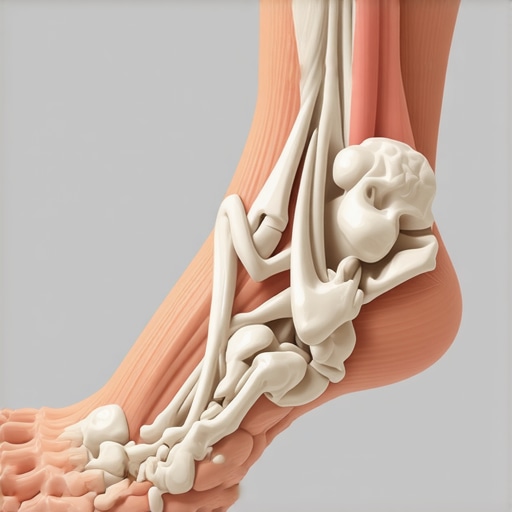
I vividly remember the moment it hit me—standing in my living room, feeling that familiar ache creeping behind my eyes, when I suddenly realized that the persistent headaches I was battling might be connected to my feet. Yes, my feet. It sounds unbelievable, right? But the truth is, many of us overlook how our posture and mobility start from the ground up. A tiny misalignment or tightness in your feet can ripple all the way up your body, leading to headaches that seem to come out of nowhere.
Why Your Feet Might Hold the Answer to Your Headache Troubles
Let me ask you—have you ever experienced that dull, throbbing pain that just won’t quit, especially after a long day of standing, walking, or even sitting at your desk? For me, digging into my foot muscles and noticing how tight they felt was an eye-opener. I learned that the way your feet are functioning can influence your entire posture, affecting the alignment of your spine, neck, and head. When your feet aren’t working properly—say, due to overpronation, tight calves, or improper footwear—it can throw off your balance and create extra strain on your neck and head muscles.
Research supports this connection, indicating that foot dysfunction can contribute to postural issues that cause headaches. A study published in the Journal of Bodywork and Movement Therapies found that addressing foot mobility improved overall posture and reduced head and neck pain symptoms. This information was a game-changer for me, and I want to help you realize the same potential benefits.
Could Small Foot Adjustments Really Make a Difference?
Initially, I was skeptical. I thought,
Start with Foot Mobility Exercises
Begin by loosening your foot muscles daily. Sit comfortably and place a small rubber ball or tennis ball under your foot. Roll it gently from heel to toe, applying moderate pressure to target tight spots. I once spent 10 minutes rolling my right foot after noticing discomfort, and the relief was immediate—my headache lessened noticeably within the hour. Consistent practice like this can unlock tension that contributes to misalignment and head pain.
Focus on Toe and Arch Movement
Stretch your toes by spreading them apart and then curling them inward. Additionally, perform arch lifts by pressing your foot into the ground, lifting the arch, holding for a few seconds, then releasing. Picture your arch as a suspension bridge—keeping it strong and flexible prevents your foot from collapsing inward, which can affect your body’s alignment. Incorporate these movements into your daily routine to enhance mobility and stability.
Address Tight Calves and Achilles Tendon
Tight calves can restrict ankle mobility, impacting how your foot absorbs force. Stand facing a wall, place one foot forward with a bent knee, and keep the other straight behind you. Press your hips toward the wall while keeping both heels on the ground. Feel the stretch in your calf. A quick check I did was holding this stretch for 30 seconds on each side—over time, I noticed my gait improved, reducing strain on my neck and helping with headaches.
Incorporate Foam Rolling for Deeper Relief
Use a foam roller on your calves and foot arches. Position the roller under your calves and gently roll from ankle to knee, stopping at tender spots. This self-myofascial release helps break up tight fascia, much like loosening a knotted rope. Be meticulous; I once skipped this step and felt my progress stall. Regular rolling increases blood flow and improves tissue elasticity, supporting better posture from the ground up.
Use Proper Footwear and Support
Wearing shoes with good arch support can prevent abnormal foot mechanics. My experience taught me that switching from worn-out sneakers to supportive insoles reduced my foot pain and, by extension, my headaches. Think of your shoes as the foundation of a building—unstable footing can cause misalignments higher up. Invest in footwear that accommodates your foot type and promotes natural movement.
Choose Stability Over Style
Opt for shoes that stabilize the heel and provide a flexible sole. Avoid high heels or tight footwear that compresses your toes. Properly fitted shoes help ensure your foot maintains its optimal position during daily activities, which safeguards your posture and prevents compensation that might lead to headaches.
Connect Foot Health to Whole-Body Posture
Remember, your feet are the foundation. Improving their mobility creates a ripple effect, positively influencing your spine, neck, and head. To keep progressing, consider integrating targeted mobility routines—check out these exercises to support your journey toward a more pain-free life. Consistency is key, so set aside 5-10 minutes daily for these practices to see lasting results.
By emphasizing these actionable, ground-up steps, you’ll build a resilient posture that wards off headaches and enhances overall well-being. Remember, small daily adjustments make a significant difference over time, helping you stay active and pain-free.
While many believe that chiropractic adjustments are a quick fix or that mobility exercises alone can solve all postural issues, the reality is far more nuanced. A common misconception is that a single adjustment or stretch can produce permanent results, but advanced practitioners understand that true improvement requires a comprehensive understanding of underlying mechanics and consistent practice. This is where many amateurs stumble—they overlook the complex interplay of muscular, fascial, and neurological factors involved in posture correction.
Another trap to watch out for is the overreliance on cracking or popping sounds as an indicator of effectiveness. While some hear audible releases during adjustments, these sounds are often gas bubbles and don’t necessarily correlate with real, long-lasting change. Relying solely on these sounds can lead to false confidence and neglect of vital mobility work or strength training. For evidence-backed insight into this, check out how chiropractic adjustments enhance posture and mobility.
Why Do Some Adjustments Fail to Deliver Long-Term Results?
Many practitioners focus merely on spinal alignment, but true postural improvement involves addressing fascial restrictions, muscle imbalances, and habitual movement patterns. Without this holistic approach, adjustments might provide temporary relief but fail to create lasting change. For instance, neglecting the importance of ground-up mobility routines can cause postural habits to re-establish quickly. Incorporate daily mobility routines like those discussed here to maintain gains.
Furthermore, advanced insights suggest that neural patterns fed by poor habits reinforce faulty postures. Awakening these neural pathways through targeted exercises and conscious movement re-education is crucial. This concept aligns with Dr. Craig Liebenson’s emphasis on neuroplasticity in postural correction, highlighting that the brain’s ability to relearn proper movement patterns is central to durable change.
Finally, avoid the common myth that more frequent adjustments equate to better results. Overdoing adjustments without addressing lifestyle choices and movement patterns can lead to dependency rather than independence. A smarter approach integrates chiropractic care with mobility, strength, and ergonomic strategies, which can be explored here.
So, are you falling into any of these traps? Recognizing these nuances can elevate your approach from quick fixes to sustainable, long-term improvements. Want to dive deeper? Check out the hidden link between gait and back pain or mobility hacks for daily life. Remember, mastering posture isn’t about instant results; it’s about understanding and respecting the complexity of your body’s interconnected systems. Have you ever fallen into this trap? Let me know in the comments.
Maintaining optimal posture isn’t a one-and-done effort; it requires consistent attention and the right tools to reinforce your progress. Over the years, I’ve discovered that investing in specific equipment and adopting effective strategies makes all the difference in sustaining improvements in mobility and alignment.
Essential Equipment for Lasting Postural Health
One of my go-to tools is the massage and foam rolling set. Using a high-density foam roller on calves and foot arches, as discussed here, allows me to release fascia tightness that can re-establish misalignments. I prefer models with firm, textured surfaces for deeper tissue work and ergonomic handles for leverage. Incorporating this into my daily routine ensures my tissues stay supple, preventing regress.
Next up, stability trainers and balance discs have become invaluable. They challenge core activation and help retrain the neuromuscular pathways involved in posture. I regularly use a balance pad when doing mobility exercises such as those recommended here. This not only improves proprioception but also reinforces proper alignment during everyday tasks.
Why Invest in Quality Supportive Footwear
Footwear is foundational. I personally opt for shoes with customizable insoles and a wide toe box, which I find helps maintain arch support and prevent overpronation. The right shoes support natural gait patterns, reducing strain on upper joints and muscles. As emphasized in research here, footwear choices directly influence long-term postural integrity.
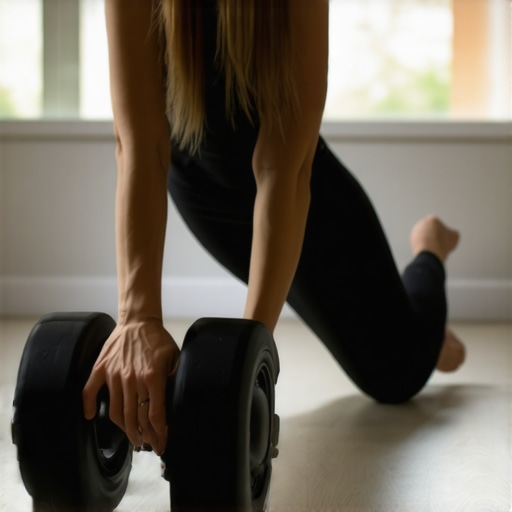
To further support my mobility, I use a digital posture tracker app. These apps analyze your daily habits and provide targeted exercises to address weaknesses or habitual misalignments. I rely on software like PostureZone for personalized feedback, turning passive routines into active correction strategies. Moving forward, integrating technology like this will become even more essential as AI-driven insights are refined to customize movement plans.
How do I maintain postural wellness over the years?
The secret lies in consistent practice combined with adaptive tools. Regularly revisit mobility routines, incorporate supportive equipment, and stay mindful of ergonomic adjustments in your environment. For example, periodically updating your workspace ergonomics can prevent slipping into poor habits. The future of posture maintenance will likely revolve around smart, sensor-enabled gear that provides real-time feedback, much like how expert chiropractors recommend ongoing assessment.
Start by trying one of these advanced tools—like a foam roller or posture app—and observe how your daily habits become more aligned and effortless. Remember, building resilience in your posture is an ongoing process where the right equipment acts as your active partner in health. Explore more at this resource to optimize your strategy for long-term success.
The Hardest Lesson I Learned About Ground-Up Posture Fixes
One of my biggest realizations was that quick fixes like popping joints or quick stretches only offer temporary relief. True, lasting change came when I committed to consistent mobility routines focusing on my feet and ankles. It taught me that patience and persistence outperform shortcuts in the long run.
How Overlooking Small Details Can Stall Your Progress
I used to believe that wearing fancy shoes or neglecting daily foot exercises wouldn’t impact my posture. However, small habits—like supporting my arches or doing toe stretches—made a surprising difference. These overlooked details can reintroduce misalignments that sabotage your efforts, so paying attention to tiny habits is essential for sustainable results.
Why Combining Techniques Outperforms Any Single Approach
Initially, I thought focusing solely on chiropractic adjustments was enough. When I started integrating mobility exercises, foam rolling, and ergonomic support, the gains were exponential. The lesson? A multifaceted strategy that addresses the ground up truly unlocks long-term posture health.
Curated Tools That Made a Difference in My Mobility
My personal toolkit includes a high-density foam roller to release fascia, stability trainers to challenge my balance, and supportive insoles tailored to my foot type. I trust these because they’ve helped me feel more stable and aligned daily. These tools transform routine maintenance into empowering steps toward better posture.
Embracing a Mindset Shift for Posture Resilience
The most valuable insight was understanding that posture isn’t static; it’s a living practice. Approaching it with patience, curiosity, and a willingness to adapt keeps progress steady. This shift from quick fixes to ongoing care is what truly sustains a pain-free, balanced body.