
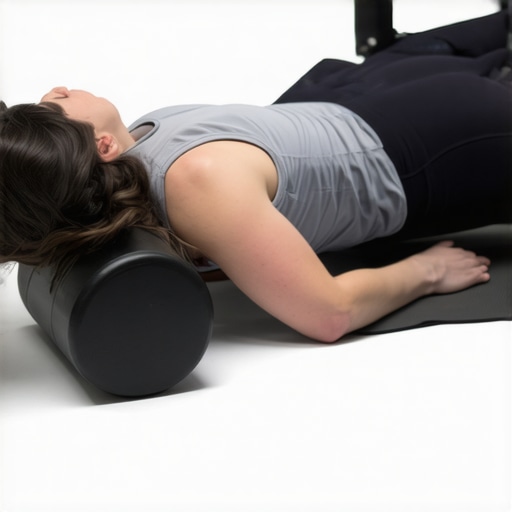
I remember the moment clearly—after a long day hunched over my desk, I finally decided to try foam rolling my lower back, thinking it would be an instant fix. Instead, I found myself in more discomfort, questioning if I had made things worse. Sound familiar? If you’ve ever experienced a similar lightbulb moment, you’re not alone. Many of us jump into self-treatment methods like foam rolling without full understanding, often leading to frustration or even injury.
What I wish I knew then is that not all foam rolling is created equal—especially for the lower back. Today, we’re going to peel back the curtain and explore the *truth* about this popular practice. I’ll share what I’ve learned from personal experience and professional insights, guiding you toward safer, more effective ways to improve your mobility and relieve lower back tension.
Why Foam Rolling Your Lower Back Might Not Be the Best Idea
When I first started exploring mobility tools, foam rollers seemed like a miracle—they’re affordable, accessible, and seemingly simple to use. But my initial enthusiasm led to a common mistake: I ignored the delicate nature of the lower back and pressed hard onto the area, assuming more pressure would produce faster relief.
That was a huge misstep. Early on, I overlooked how the lower back’s anatomy differs from other muscle groups—it’s not just muscle tissue but also critical nerves, ligaments, and the spinal stability structures. Overusing a foam roller there can irritate these components, potentially worsening pain or causing new issues.
Research confirms that improper foam rolling can lead to increased inflammation or nerve irritation if not done correctly. For example, a study published in the *Journal of Bodywork and Movement Therapies* points out that excessive pressure or incorrect technique can do more harm than good, especially in sensitive areas like the lower back.
If you’ve faced that dull ache after foam rolling, you might wonder if it’s worth continuing. The good news is: yes, but with caution and proper technique. There are smarter, safer approaches to incorporating foam rolling into your routine—approaches that I’ll share next, along with alternative methods to support your mobility goals.
Are you tired of feeling uncertain about how to manage your lower back? If so, you’re in the right place. Let’s dive into what really works and what to avoid—so you can move with confidence and ease.
Target Your Posture Breaks Throughout the Day
Start by incorporating small posture checks every hour. Set a timer and assess whether your shoulders are rounded or your head juts forward. Think of it like resetting a misaligned telescope—realign your body gently. For example, during a busy workday, I set a reminder to sit up tall and retract my shoulders, which visibly reduced tension over a week. Regular mini-adjustments prevent stiffness and keep your spine in optimal alignment.
Engage in Controlled Mobility Exercises
Pelvic Tilts to Reset Alignment
Lie on your back with knees bent and feet flat. Gently tilt your pelvis upward, flattening your lower back against the floor, then tilt it back. This move acts like fine-tuning a car’s suspension, ensuring your pelvis and lumbar spine move harmoniously. I personally added these tilts into my morning routine, noticing better pelvic stability and less lower back ache during the day.
Hip Circles Cover All Bases
Stand on one leg, hold onto a support, and make slow, controlled circles with your free leg. These movements lubricate hip joints and release tension that transfers to your lower back. Remember, imagine your hip as a revolving door—smooth and controlled. Once, I did this during a quick office break, which immediately eased recurring tightness I’d felt after prolonged sitting.
Stretch with Purpose and Precision
Child’s Pose with Arm Reach
Get on your knees, stretch your arms forward, and gently lower your torso. Reach one arm under the other to target the thoracic spine and shoulders. Think of it like threading a needle—precision matters. I found this stretch alleviated persistent upper back tightness that often contributed to lower back discomfort. Consistent practice kept my mobility fluid and pain-free.
Hamstring and Glute Lengthening
Lie on your back and extend one leg straight up, holding behind the thigh. Gently pull the leg closer, feeling a stretch along the hamstring. Tight hamstrings pull on the pelvis, pulling your lower back out of alignment. This is like loosening a banged-up hinge—preventing stiffness that causes pain. Incorporating this stretch daily made a noticeable difference in my flexibility and reduced strain.
Adjust Your Daily Habits with Tactical Movements
Switch your sitting position regularly and practice standing up to stretch or walk every 30 minutes. Replace static positions with dynamic movements—think of it as greasing a squeaky wheel. I learned to do light spinal rotations and leg swings during work, which kept my joints mobile and reduced discomfort considerably.
Prioritize Professional Support for Long-term Gains
While these techniques are effective, consistent guidance from a professional ensures techniques suit your specific needs. Consider scheduling a consultation with a chiropractor, who can analyze your posture and recommend tailored adjustments. Look into how chiropractic care can boost your mobility and address underlying issues—find out more at this resource. Regular check-ins can transform your approach from reactive to proactive, making lasting improvements inevitable.
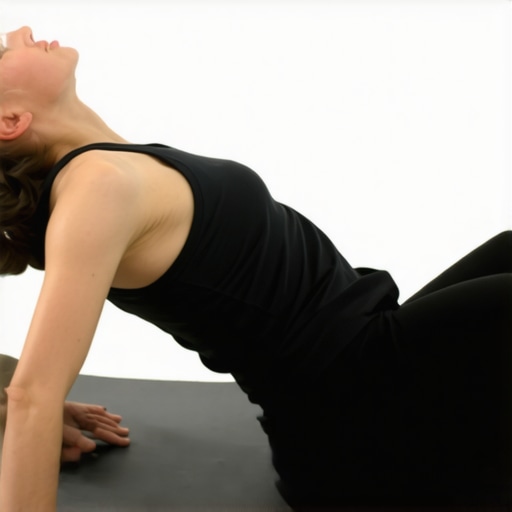 Many assume that correcting posture or seeking chiropractic care is as simple as making superficial adjustments or relying solely on quick fixes. However, these common beliefs often overlook the complex, nuanced interplay between musculoskeletal health, neurological function, and daily habits. For instance, a prevalent myth is that static posture correction alone is sufficient for long-term relief, but recent research highlights the importance of dynamic mobility and neuromuscular control in sustaining proper alignment. In fact, focusing only on visual alignment can lead to neglecting underlying issues such as imbalanced muscle activation patterns, which may contribute to chronic discomfort or injury.
A frequent Maintaining optimal posture and mobility over the long term requires the right tools and consistent practices. Personally, I rely on specific equipment that I know deliver tangible results and stand the test of time. One of my favorite devices is the *Massage Stick* — I use it daily to target tight muscles in my thoracic spine and hips. Its ergonomic design allows me to self-administer deep tissue work, which not only enhances flexibility but also reduces the risk of chronic stiffness. Unlike foam rollers, which can sometimes apply uneven pressure, the Massage Stick provides controlled, pinpointed relief, making it an invaluable part of my daily routine.
Another essential tool is the *Posture Corrector*. I wear mine during long work sessions to remind my muscles of proper alignment. The key is not to become dependent on it but to use it as a training aid for muscle memory. When combined with targeted mobility exercises—such as those demonstrated in [this comprehensive guide](https://quackersneck.com/revolutionize-your-posture-with-targeted-mobility-exercises)—it can dramatically improve your posture over time.
For monitoring progress and staying accountable, I recommend using wearable tech like the *Whoop Strap* or *Apple Watch*. These devices track your activity levels, breathing quality, and sleep patterns, which are critical factors influencing posture and recovery. Regularly reviewing this data ensures you’re not just maintaining a superficial fix but promoting genuine, lasting improvements.
Looking ahead, I foresee a rise in integrated smart tools that combine biofeedback with AI coaching. Imagine a device that not only alerts you when your posture deteriorates but also suggests micro-movements tailored specifically to your body’s unique needs. This technological evolution will empower individuals to self-manage their mobility and posture with unprecedented precision.
**How do I keep my posture and mobility tools effective over time?** Consistency is vital. I dedicate at least five minutes daily to self-massage with my Massage Stick, coupled with posture checks and mobility drills. Remember, the goal isn’t just quick fixes but building habits that sustain your well-being—much like visiting your chiropractor regularly for adjustments that prevent problems before they start. For personalized guidance, consider reaching out at [this contact page](https://quackersneck.com/contact-us-2). And don’t underestimate the power of advanced techniques—try incorporating specific tools into your routine today and observe how your body responds. For example, regularly using targeted mobility tools can make a significant difference, as explained in [this detailed resource](https://quackersneck.com/the-ultimate-guide-to-improving-mobility-and-posture-in-2025). It’s time to invest in your health by choosing tools designed to keep your body functioning at its best for years to come.
Reflecting on my journey, I realize that one of the most profound lessons was recognizing the *subtle signals* my body constantly sends. The hard truth is, quick fixes like aggressive foam rolling or superficial posture adjustments often mask the real issues. Instead, true progress comes from understanding the nuanced dance between mobility, alignment, and daily habits—an insight that transformed my approach and can do the same for yours.
Why Never Rely on One-Size-Fits-All Solutions in Posture Care
My own experience taught me that each body is unique, and what works wonders for one person might worsen another’s condition. I once tried the same mobility routine I read about online, only to aggravate my lower back. That moment emphasized the importance of personalized strategies, ideally developed with guidance from professionals familiar with your specific needs. Remember, the goal isn’t just relief but sustainable health—so embrace tailored approaches rather than default tactics.
Customized Tools That Truly Make a Difference
Over time, I curated a toolkit that genuinely supports my mobility journey. The mobility tools I trust are selected for their ability to facilitate gentle, precise, and adaptable movements. For instance, using a smart foam roller that adapts to pressure levels ensures I don’t overdo it, preventing irritation. Incorporating a professional-supported posture correction device creates a feedback loop that reinforces healthy habits—transforming routines into lasting change.
Allow Yourself to Celebrate Small Wins
Building a healthy posture isn’t about overnight perfection but consistent, mindful progress. Each minor improvement—be it easier movement, better sleep, or reduced tension—adds up. I remind myself daily that every stretch, adjustment, or controlled movement is a step towards a pain-free life. Equipped with the right tools, knowledge, and mindset, you can reclaim your mobility and posture, no matter your starting point.
Where to Begin with Confidence
If you’re eager to start or refine your posture journey, I encourage you to consult experts who can tailor techniques to your needs. A visit to professional chiropractic support can be a game-changer—guiding you through corrective adjustments and empowering you with personalized exercises that foster resilience and mobility.
Harness Your Body’s Potential Today
Remember, your body thrives on consistent, mindful action. Equip yourself with the right knowledge, tools, and support, and watch your posture and mobility improve—leading to a more active, pain-free life. Think about which small change today could make the biggest difference—then take action.
Have you tried personalized mobility routines, or do you rely on general advice? Share your experiences below—I’d love to hear how you’re transforming your posture journey!