
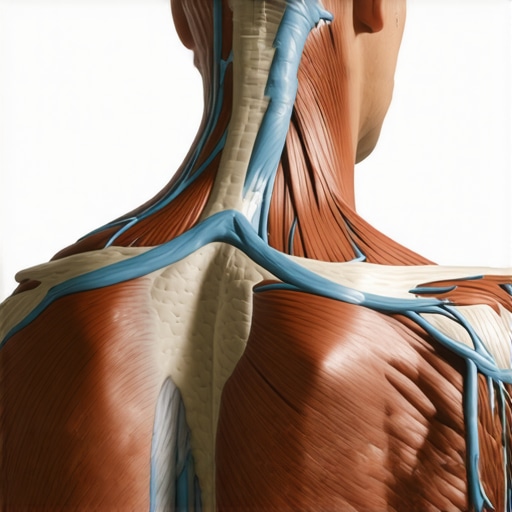
Have you ever experienced a sharp headache that seems to originate right between your shoulder blades? I remember the first time it happened to me—one moment, I was minorly stressed at work, and the next, a dull but persistent ache radiated up my neck, culminating in a headache that refused to go away. It was frustrating because I felt like I was treating only the symptom, not the cause. That realization was a lightbulb moment for me — understanding that the roots of some headaches lie deeper than just the head or neck.
Why the Pain Often Starts in Unexpected Places
Over the years, I’ve learned that many people, including myself initially, overlook how tension and misalignment in our shoulders and upper back can trigger headaches. Our bodies are interconnected; tightness, poor posture, or mobility issues somewhere in the back can cause nerve compression or muscle strain that radiates upward, leading to head pain. In fact, studies show that poor postural habits are a significant contributor to headache frequency and intensity (source: chiropractic adjustments and pain relief).
My personal journey involved a lot of trial and error—until I realized that small, consistent adjustments to my posture and mobility made a world of difference. Now, I want to share with you how understanding this connection can help you break free from those persistent headaches, starting with simple awareness and effective strategies.
Is Your Headache Actually a Posture Problem?
One of my biggest mistakes early on was dismissing mild shoulder tightness as unimportant. I thought, “It’s just tension. It will pass.” But ignoring these signs only allowed the problem to escalate, creating head pain that was more severe and harder to manage. If you’ve ever ignored discomfort in your shoulders or upper back, I encourage you to reconsider — because addressing issues before they become chronic is key. For practical, expert-backed tips on improving posture and mobility, check out these techniques.
In the sections ahead, we’ll explore actionable steps to identify if your headaches stem from shoulder and back issues and how to correct them — helping you regain control over your pain and improve your overall well-being. Ready to dive in? Let’s get started!
Identify Your Posture Pitfalls
Start by observing how you sit during daily activities. Sit in front of a mirror or record yourself, noting if your head juts forward or your shoulders round. I once caught myself leaning into my laptop—realizing this made my neck tense—and adjusted accordingly. Recognizing these habits is the first step toward correction.
Incorporate Targeted Mobility Exercises
Mobility drills loosen tight muscles, reduce nerve compression, and improve alignment. My go-to was the hip flexor stretch and thoracic rotations, which I performed daily. Think of your joints as a hinge: flexible hinges allow smoother movements, easing tension that can cause headaches. Consistency transforms these movements into habits that readily support better posture.
Practice Posture Awareness Throughout The Day
Set reminders or alarms to check your alignment. When I felt a headache coming on, I paused and reassessed my position—lifting my chest, relaxing my shoulders, and pulling my chin slightly back. It’s like adjusting the steering wheel while driving; small corrections keep your body’s alignment on track.
Implement Gentle Self-Adjustments
Using self-massage or light traction can relieve muscle knots. I gently rolled my upper back with a foam roller, focusing on areas of tightness. Be cautious—avoid overdoing it, especially in sensitive regions. Think of these adjustments as fine-tuning a musical instrument to produce harmonious sound, which in this case, means pain relief and proper alignment.
Seek Professional Guidance for Lasting Changes
If self-managed efforts don’t fully resolve your headaches, consulting a chiropractor can be beneficial. A professional can identify subtle misalignments and tailor adjustments specifically to your needs. Their expertise amplifies your efforts, much like a coach guiding you through a training plan.
Remember, integrating these steps requires patience. Small, consistent actions build toward significant relief. Maintaining awareness and mobility, coupled with expert advice, creates a robust foundation for head and neck health.
 While many believe that simple stretches or daily adjustments are enough to fix posture issues, the reality is far more nuanced. One widespread misconception is that you can correct posture with a quick fixation—like wearing a brace or doing a few mobility exercises—and see lasting results. However, expert understanding reveals that true improvement requires addressing underlying patterns, habitual movements, and neurological feedback loops. Relying solely on superficial fixes can lead to a cycle of temporary relief and eventual relapse, as your body’s core compensates in unintended ways. For instance, over-reliance on posture braces may weaken your deep stabilizers, such as the transversus abdominis and multifidus, making your spine more vulnerable to future misalignments. Studies highlight that sustained posture correction depends on retraining the nervous system, not just muscles (source: neurological retraining).
Beware the trap of focusing only on isolated movements without integrating functional biomechanics. This approach neglects global patterns, like habitual shoulder protraction or pelvic tilts, which are often the real culprits behind stubborn postural faults. Forward head posture, for example, isn’t just about ‘pushing back the chin’; it involves deep cervical flexor weakness, thoracic mobility deficits, and breathing patterns that sustain the imbalance. Correcting such issues requires a comprehensive plan that includes mobility drills, core stabilization, and neuromuscular re-education. For advanced strategies, I recommend exploring expert chiropractic techniques that go beyond superficial adjustments.
Another common mistake is underestimating the importance of the fascia network. Fascia is often overlooked in traditional approaches, yet it plays a critical role in transmitting tension and maintaining alignment. Fascial restrictions can perpetuate postural faults even after muscle strength has improved. Techniques like myofascial release and targeted mobility exercises can unlock these restrictions, promoting more effective and lasting corrections. Remember, your posture is a dynamic system—neglecting its subtle nuances can undermine your efforts.
Don’t fall into the trap of thinking postural correction is purely about ‘standing straight.’ Achieving sustainable change demands a holistic view that incorporates mobility, neuromuscular control, fascia health, and habitual movement patterns. For practical tips, check out the ultimate guide on mobility and posture. Have you ever fallen into this trap? Let me know in the comments, and share your experiences with advanced correction techniques.
Maintaining optimal posture over the long term requires not only awareness but also the right set of tools and consistent strategies. From self-assessment gadgets to professional equipment, having a reliable toolkit can make all the difference in preventing setbacks and scaling your mobility journey.
Choosing the Right Mobility Aids
Personally, I rely heavily on a high-density foam roller, such as the one available here. Its firmness allows me to target deep fascial restrictions, especially in my thoracic and pelvic regions, which are crucial for maintaining an upright posture. I prefer a roller with ridges for myofascial release because it helps break down adhesions that standard rollers can’t reach, making my mobility drills more effective and long-lasting. Invest in a quality foam roller, and incorporate it into your daily routine to sustain improvements gained through chiropractic adjustments or mobility exercises.
Leveraging Technology for Self-Monitoring
Digital posture tracking devices, like the Upright GO or Lumo Lift, provide real-time feedback and help reinforce good habits. I personally use the Upright GO sensor clipped onto my upper back during work sessions. It vibrates whenever I slouch, gently reminding me to reset my posture. This kind of immediate biofeedback encourages conscious correction and helps ingrain healthy alignment habits over time. As technology advances, I predict an integration of AI with wearables for personalized coaching, making long-term maintenance more accessible and effortless.
Developing a Routine of Consistent Adjustments
One often-overlooked aspect is establishing a structured routine. I start my mornings with a quick mobility circuit involving thoracic rotations and chin tucks, which primes my spine for the day. Throughout the day, I set hourly alarms (using apps like these tools) to remind me to check and correct my posture. Regular micro-adjustments prevent the accumulation of poor positioning that can undermine clinical corrections. This habit of daily self-correction serves as a foundation for maintaining the benefits of chiropractic care and mobility exercises.
Long-Term Gains Through Expert Techniques
Incorporating advanced chiropractic techniques, such as neuromuscular re-education or fascia-focused releases, offers profound benefits. These can be performed periodically in a professional setting and complemented with at-home tools like massage balls or resistance bands. The combination maximizes long-term stability. For example, foam rolling releases fascial restrictions, which restabilizes the neuromuscular pathways involved in posture.
Scaling Your Posture Efforts Over Time
As your mobility improves, consider integrating more complex strength and stabilization exercises—like deadlifts with proper form or balancing on unstable surfaces. Progressively challenging your system promotes resilience and adaptability. Remember, sustaining progress is a marathon, not a sprint. As the trend in mobility and posture correction evolves, expect a focus on personalized, AI-driven feedback systems that adapt routines to your unique biomechanics. This future tech will simplify long-term maintenance, making it accessible even for those with busy schedules.
How do I maintain posture improvements over time?
The key lies in diligence with your tools and routines. Use biofeedback devices to stay aware, maintain a dedicated daily mobility routine, and seek periodic professional assessments to fine-tune your approach. Remember, consistency beats intensity—gradual, regular efforts outperform sporadic intense interventions. To get started, try integrating a foam roller session after your daily mobility drills, ensuring fascia health supports your spinal alignment and overall posture. Want to explore more about advanced techniques? Check out these expert chiropractic strategies for deeper integration.
Lessons That Changed My Approach to Spinal Health
One of the most eye-opening realizations I had was that many of the persistent headaches I encountered weren’t just about headaches at all—they were symptoms of deeper, habitual misalignments and tension patterns. I learned that addressing these root causes often meant unlearning long-held beliefs about quick fixes like braces or isolated stretching. Instead, true progress came from understanding my body’s interconnectedness and embracing a comprehensive, consistent approach, which transformed my outlook and relief strategies.
Another lesson was that patience is paramount. The human body isn’t a machine that can be fixed instantly; it’s a complex network of muscles, fascia, and neurological feedback loops. Deliberate, daily attention to mobility and posture—not sporadic efforts—created sustainable change. This insight taught me to celebrate small wins and stay committed even when immediate results aren’t visible, leading to more profound, lasting improvements.
Finally, I discovered that collaboration with professionals—like chiropractors and movement specialists—amplifies self-managed efforts. Their expertise helps identify subtle misalignments and neurological patterns that are often invisible to the untrained eye, guiding a tailored recovery journey. These insights underscored the importance of combining self-care routines with expert guidance for optimal, long-term health.
Tools and Resources That Keep My Practice on Track
My foundational resource is the Ultimate Guide to Improving Mobility and Posture in 2025, which offers a comprehensive roadmap for sustained progress. Its practical exercises and ergonomic tips help me stay engaged and accountable. Mobility hacks for daily adjustments have empowered me to embed movement into all parts of my day, making posture correction second nature.
I also rely on specific tools like a high-density foam roller with ridges, which helps me deeply target fascia restrictions that otherwise undermine alignment. Pairing this with digital posture trackers like the Upright GO provides real-time feedback, reinforcing good habits and alerting me to poor posture before pain sets in.
For deeper understanding, these expert chiropractic techniques have broadened my approach beyond simple stretching, illuminating the neuromuscular aspects critical for lasting change. Integrating these with my personal routines has resulted in more resilience against headaches and better overall spinal health.
Step Into Your Power and Make Meaningful Change
Your journey toward improved posture and relief from headaches is unique—and it’s within your reach. Each small adjustment, informed by awareness and supported by knowledge, adds up to a healthier, more vibrant you. Remember, your body is a sophisticated system capable of remarkable adaptation with consistent effort and the right guidance. So, start today with one simple movement or awareness check, and build momentum from there. Your future self will thank you.
What small step will you take today to improve your posture and reduce headaches? Let me know below!
,