
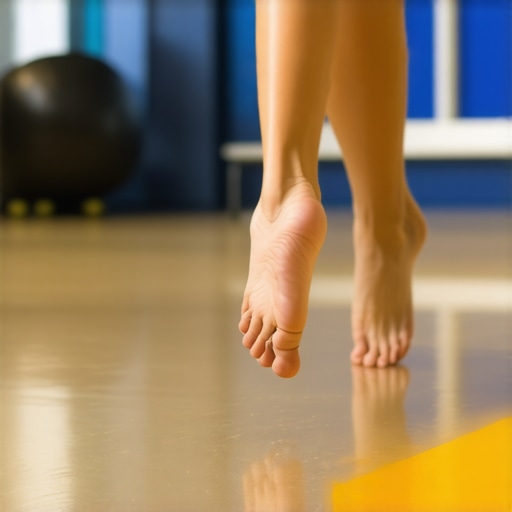
There was a morning not so long ago where I was stepping out of bed, only to feel a strange wobbly sensation in my ankles. It was like I was on a boat—not steady on my feet, despite having no apparent reason. That moment hit me hard: I realized my balance, something I’d taken for granted, was slipping away. And frankly, it scared me a little. But what struck me even more was how I could address it in just over a minute—yes, just sixty seconds!
The Secret To Regaining Steady Feet Lightning Fast
That’s when I discovered a simple, yet powerful daily ritual that has truly transformed my stability and posture. It’s called the one-minute ankle drill, and it’s a game-changer. If you’ve ever felt your balance waver, especially with age or after long hours at your desk, this tiny habit can make a big difference. Today, I promise to share how this quick routine can help you regain your footing, prevent falls, and boost your confidence—without hours of complex exercises or expensive equipment.
Skeptical? Think You Don’t Have Time? Think Again.
Let me be honest—I once fell into the trap of thinking that improving my balance meant hours at the gym or complicated routines that I never stuck with. I made a crucial mistake early on: neglecting my ankles, thinking they were just… ankles. But I learned that weak ankles can ripple through your entire body, weakening your posture and increasing injury risk. A quick, targeted drill can correct this—something anyone can do before a shower, during a break, or even while waiting for your coffee to brew. It’s that simple.
Interestingly, research shows that even minor improvements in ankle strength and mobility can significantly reduce the risk of falls, especially in older adults (according to expert chiropractors). So, yes—your ankles are more powerful than you think. And with just a minute of mindful movement, you can support your entire body’s alignment and stability.
In the next sections, I’ll guide you through exactly how to perform this drill, what common mistakes to avoid, and how to integrate it into your daily routine effortlessly. Ready to stand taller, move safer, and feel more grounded? Let’s get started.
.
Stretch Out and Wake Up Your Ankles
Start by sitting comfortably on a chair. Extend one leg and slowly rotate your ankle clockwise, then counterclockwise, for 10 repetitions each side. Visualize your ankle as a steering wheel—gentle, controlled movements help improve joint lubrication and mobility. I recall a morning when I skipped this step; my ankles felt stiff and unresponsive during a quick walk. Incorporating this simple stretch unlocked immediate relief and smoother movement.
Strengthen with Controlled Flexion and Extension
While seated, lift your foot off the ground, then gently point your toes downward, and then pull them upward, mimicking pressing a gas pedal and then pulling a brake. Perform 15 reps. Think of your ankle like a hinge—consistent, controlled motions increase strength without strain. Once, I hurried through this and felt a slight crunch; slowing down made the difference, preventing discomfort and building confidence in my mobility.
Focus on Balance with Single-Leg Stands
Stand near a sturdy surface for support. Shift your weight onto one foot and hold your balance for 30 seconds, then switch. As you do this, imagine your foot as a shoeprint in soft sand—stability is gained by keeping your foot grounded and adaptive. I remember wobbling a lot the first few times, but with focused effort, my ankle proved to be stronger, reducing my fear of falling.
Enhance Alignment with Gentle Weight Shifts
Stand upright, then gently shift your weight from heel to toe over 20 seconds. This simulates the natural rock of a boat, improving proprioception—the sense of joint position. I once performed this after sitting for hours; it reset my balance instantly and activated my ankle’s supporting muscles.
Incorporate Movement into Daily Life
Repeat these actions during small breaks—while brushing your teeth, waiting for your coffee, or before bed. Think of it as giving your ankles a quick tune-up—regular, mindful movements prevent weakness. When I integrated this into my morning routine, I noticed better posture and less fatigue during casual walks.
Combine these steps consistently, and your ankles will become your strongest link in maintaining overall stability and posture. For deeper insights into how targeted movements support spinal health, check out this guide on chiropractic adjustments. Remember, every small effort compounds—your balance is worth every minute.While it’s common to hear that stretching or strengthening alone can fix posture issues, the reality is far more nuanced. Many assume that simple exercises are the key to lasting correction, but this overlooks the complex interplay of neurological, structural, and lifestyle factors involved in optimal mobility. For instance, a frequent misconception is that static stretching long-term improves joint health; however, recent studies suggest dynamic mobility routines tailored to individual needs offer superior results (source). This is where understanding the subtle differences becomes crucial, because blindly applying generic routines can lead to overstretching or laxity, which might worsen alignment rather than improve it. Additionally, many people underestimate the importance of proprioception—your body’s sense of its position—which actualizes through coordinated neural pathways rather than solely mechanical adjustments. This nuance explains why some find quick fixes ineffective; true improvement demands addressing the nervous system alongside physical structures. A common trap is relying exclusively on external adjustments like chiropractics without integrating movement-based therapies. While chiropractic adjustments can reset joint misalignments, without ongoing mobility work, the gains are short-lived (more info). The most advanced mistake is assuming that adjustments alone can rewire your postural habits—habitual patterns ingrained over years require consistent, mindful movement and proprioception training for lasting change. This holistic approach recognizes that posture is dynamic, influenced by muscle memory, neural feedback, and daily routines. For example, addressing a forward head posture isn’t just about neck stretches; it involves retraining your brain to maintain proper alignment during activities, which is a layered process. To deepen your understanding, explore how targeted mobility exercises can optimize the effects of adjustments, leading to sustainable, pain-free movement (read more here). Remember, true mastery over posture and mobility isn’t about quick fixes; it’s about embracing the complex, interconnected systems that keep us upright and resilient. Have you ever fallen into this trap? Let me know in the comments.
Maintaining Your Progress with the Right Tools
When it comes to sustaining mobility and postural improvements, investing in effective tools makes all the difference. I personally rely on a few key items that have proven invaluable in my routine. One of the most versatile is the mobility foam roller. I use the foam roller not just for my back, but also for my calves and hamstrings, which directly influence my hip mobility and spinal alignment. The gentle pressure helps release muscle tightness and encourages blood flow, supporting long-term flexibility.
Another essential is a balance pad. I stand on mine during daily exercises or even while working at my desk. It challenges my stabilizer muscles, especially in the ankles and core, fostering better proprioception. This simple addition has helped me avoid common pitfalls like joint laxity or poor neural feedback. To get the most out of your exercises, pairing these physical tools with a reliable app or program ensures consistency. I recommend using a program that guides your mobility drills and tracks progress, like these targeted mobility exercises—now available with personalized coaching online.
Why Regular Chiropractic Support Remains Crucial
While tools can enhance your efforts, ongoing chiropractic adjustments provide the structural resets your body needs for long-term results. I periodically visit my trusted chiropractor, who employs techniques outlined in this comprehensive guide on chiropractic care. These sessions help me address subtle misalignments that might otherwise undermine my stability gains. Think of it as calibration—aligning the body’s framework so that mobility exercises and daily habits are more effective. Incorporating regular chiropractic check-ins, especially as you age or after intense training, turns maintenance into a proactive, rather than reactive, process.
How do I maintain mobility and posture over time?
Consistency is the cornerstone. Set aside dedicated time each day for mobility drills, such as dynamic ankle stretches, balance exercises, and gentle weight shifts. Using tools like foam rollers and balance pads can make these routines more effective and enjoyable. Additionally, scheduling periodic chiropractic visits ensures ongoing structural support. Smaller, habitual movements—like mindful posture checks and micro-adjustments—serve as fine-tuning steps. Remember, long-term results come from integrating these habits into your lifestyle without neglect. For a comprehensive approach, exploring resources like practical chiropractor strategies can offer valuable insights. I also urge you to try the advanced tip of implementing a daily self-assessment using a mirror or video to spot subtle postural deviations early. Starting this habit now will set you on the path to resilient, lasting mobility and posture.
Little Secrets I Wish I Knew About Staying Grounded
- One of my hardest lessons was realizing that consistency beats intensity. Skipping daily mobility routines for weeks made me regress faster than I expected, teaching me that small, regular efforts are powerful.
- Never underestimate the power of proprioception—the body’s ability to sense its position. Improving it through simple exercises transformed my confidence in movement, proving that neural pathways matter as much as muscles.
- My breakthrough came when I understood that posture isn’t static but a dynamic interplay of habits and movements. Addressing only the visible, like slouched shoulders, without neural rewiring was a mistake I won’t repeat.
Tools That Elevate My Mobility Journey
- The foam roller has been a game-changer; it helps me release muscle tightness in my calves and hips, directly influencing my spinal alignment. I trust it because of its proven effectiveness for long-lasting flexibility.
- The balance pad challenges my stabilizer muscles daily, making my ankles and core more resilient. Its simplicity makes it an essential part of my ongoing posture care.
- My favorite resource is targeted mobility exercises that I can do anytime, especially with apps that track progress. They keep me accountable and ensure continuous improvement in my posture.
Keep Moving, Keep Improving
Your posture and balance are not fixed traits but skills you can develop and refine. Every small movement, every mindful adjustment matters. Start incorporating these routines into your daily life—your body will thank you with better stability, less pain, and increased confidence. Remember, progress is a journey, not a sprint. Waiting for the perfect moment might mean never starting, so take action today. Have you ever experienced a moment during your routine that unlocked a breakthrough? Share your story below—I’d love to hear how small changes transformed your mobility journey.