
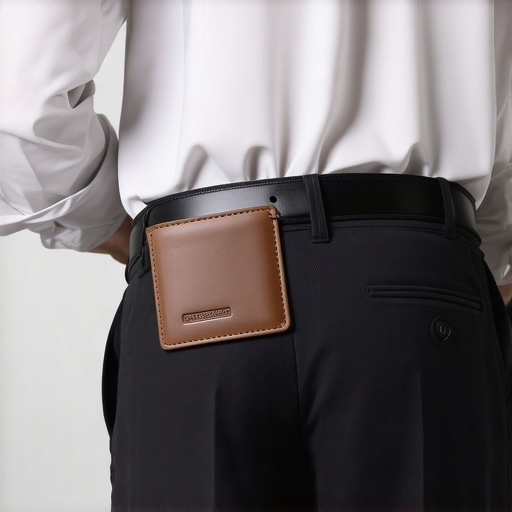
It was one of those mornings when I reached into my back pocket without thinking, tugging out my wallet—except this time, I noticed something strange. My pelvis felt off. A subtle ache blossomed into a persistent discomfort, and suddenly I was aware of how a simple everyday habit was causing more harm than I realized. That lightbulb moment made me wonder: Could my wallet really be tilting my pelvis, and if so, what can I do about it?
Why Ignoring Your Wallet Can Lead to Real Posture Problems
For years, I brushed off that little pocket accessory as a benign part of daily life. But it’s more common than you think—those bulky wallets in your back pocket can subtly shift your pelvis, causing misalignments that lead to back pain, sciatica, and even long-term mobility issues. Think about it: every time you sit down, that wallet presses into your hip, encouraging your pelvis to tilt or rotate unnaturally. Over time, this imbalance forces your spine and supporting muscles to adapt, which can accelerate wear and tear, and hinder your body’s natural ability to move freely.
Is the Wallet Trick Actually Worth the Hype?
Early on, I made the mistake of dismissing this as a minor annoyance. I thought, “It’s just a wallet, how much damage can it do?” But my own experience proved otherwise. That misconception delayed me from addressing the root cause—and suffering later for it. Research supports this too; a study published in the chiropractic journal highlights how asymmetric habits like wallet carrying can contribute to pelvic misalignment. So, if you’ve ever experienced recurring hip or back discomfort, this might be a good place to start.
Now, the good news is, addressing this doesn’t require complex surgery or endless sessions. With some simple adjustments and awareness, you can prevent your wallet from secretly sabotaging your posture. Ready to learn how to fix this sneaky issue? Let’s dive into practical steps that can make a real difference in your mobility and overall health.
,
Start With Awareness: Detecting Your Pelvic Tilt
Your first step is to identify whether your pelvis is tilted due to habitual wallet carrying. Stand in front of a mirror with your feet shoulder-width apart, then observe your hips. Is one side higher or more protruded? Alternatively, lie down on your back and feel for unevenness in your pelvic bones or asymmetry in your hips. This simple self-assessment helps you understand if and how your wallet habit is affecting your posture.
Adjust Your Daily Habits: Practical Wallet Practices
Switch to Front Pockets or Bags
To prevent further imbalance, move your wallet out of your back pocket entirely. Use a front pocket or, better yet, carry a small bag or a purse. This alleviates unequal pressure on your hips, giving your pelvis a chance to return to its natural alignment. I once tried this myself during a day trip, moving my wallet to my front pocket — I immediately noticed less hip discomfort by evening.
Limit Wallet Size and Bulk
If switching pockets isn’t feasible daily, opt for slim wallets or minimalist options. Removing unnecessary cards or receipts lightens the load, reducing the pressure distribution asymmetry. The goal is to minimize any uneven weight that can tip your pelvis over time.
Implement Targeted Mobility Exercises
Mobilizing and strengthening your hips and pelvis is essential. Think of your pelvis as a hinge that needs proper lubrication and support. Incorporate exercises like the hip opener stretches and pelvic tilts. These help restore movement patterns and prevent stiffness that might develop from prolonged unnatural positioning.
Practice Postural Corrections Throughout the Day
Mindful adjustments during daily activities reinforce proper alignment. During sitting, ensure your hips are level and avoid slouching. Use ergonomic chairs or cushions if necessary. When standing, distribute weight evenly across both hips. Regularly shifting position prevents the pelvis from settling into a misaligned state caused by habit or prolonged static postures.
Regular Chiropractic Checkups for Ongoing Support
If you notice persistent imbalance or discomfort, consider consulting a chiropractor. A professional can perform precise adjustments that realign your pelvis and spine, akin to resetting a crooked hinge. For tailored treatment, reach out through this contact page. Consistent care ensures your adjustments stick and helps prevent future misalignments caused by everyday habits.
Maintain Consistency and Track Progress
Correcting pelvic tilt isn’t a one-time fix. Incorporate these habits daily, monitor how your body responds, and adjust as needed. Keep a journal of your exercises and discomfort levels. Over time, you should notice improved mobility, less pain, and better posture, empowering you to carry on without the sneaky influence of that back pocket wallet.
Many believe that chiropractic adjustments and posture correction are simple magic bullets, fixing issues instantly and permanently. However, this mindset often overlooks nuances that can make or break your progress. A common misconception is that a single adjustment or a quick fix can resolve deeply ingrained postural habits. In reality, true improvement requires understanding the complex interplay of muscular compensations, neurological patterns, and lifestyle factors. For instance, some practitioners might emphasize spinal alignment alone, but research shows that mobility restrictions in the hips and ankles significantly influence overall posture and should be addressed concurrently, as detailed in this article. Failing to consider these subtleties can lead to persistent issues, despite frequent adjustments.
Another nuance is the myth that more frequent chiropractic visits mean faster results. While regular care is beneficial, overdoing it without addressing underlying habits or mobility deficits can lead to dependency and limited long-term gains. Instead, integrating targeted mobility exercises and lifestyle modifications amplifies the effects of adjustments. This integrated approach is explored further in mobility hacks. A common trap is to focus solely on the symptomatic area, like neck or back pain, without examining the root causes such as habitual poor ergonomics or weak stabilizer muscles. Identifying and correcting these fundamentals is essential for sustainable change.
What Do Most Overlook When It Comes to Maintaining Posture and Mobility?
One advanced but often overlooked aspect involves the nervous system’s role in muscle tone and mobility. Misalignments or neurological impediments can inhibit optimal movement patterns, making adjustments less effective if these issues are ignored. For example, some clients experience limited progress because their proprioceptive feedback loops are impaired, which complicates neuromuscular retraining. Strengthening the deep stabilizers and enhancing proprioception through specific exercises can break this cycle, as outlined in this resource. Additionally, awareness of common myths like ‘stretching always helps’ can be misleading; in some cases, aggressive stretching without proper preparation can worsen mobility or cause strain, highlighting the importance of tailored strategies.
Understanding these nuances emphasizes that chiropractic care is most effective when integrated into a comprehensive program that includes mobility training, ergonomic adjustments, and neurological awareness. Implementing this multi-faceted approach fosters long-lasting improvements in posture and function, avoiding the trap of temporary relief. If you’re curious about how to optimize your treatment plan, reach out through this contact page for personalized guidance. Remember, true progress hinges on recognizing and respecting these hidden layers. Have you ever fallen into this trap? Let me know in the comments.
Keeping It Working: My Preferred Tools and Methods
Achieving and sustaining optimal posture and mobility isn’t a one-off effort; it requires consistent maintenance using reliable tools and strategic techniques. Over the years, I’ve integrated certain equipment and software into my routine that have proven effective in ensuring long-term results. These tools not only facilitate daily self-care but also help me identify potential issues before they develop into pain or mobility restrictions.
One of my go-to devices is a high-quality foam roller, specifically one with a density that provides adequate pressure without causing discomfort. Regular use of a foam roller helps in myofascial release, reducing muscle tightness that often contributes to misalignments. I personally prefer models with textured surfaces to target specific areas like the thoracic spine or hips, as they mimic the benefits of deep tissue massage. Incorporating this into my routine has significantly improved my flexibility and helped prevent common postural issues associated with sedentary lifestyles.
Alongside manual tools, I rely on my mobility tracking software, such as mobility improvement apps. These programs offer guided exercises, reminders, and progress tracking, ensuring I stay consistent. They also provide tailored routines based on my current mobility status, which aligns well with the principle that personalized care drives better, sustained outcomes.
In my practice, I recommend incorporating specialized stretching devices like resistance bands designed for joint mobilization or posture correction. These tools allow for controlled, adjustable tension that can target weak or stiff areas, especially in the hips and shoulders. The benefit of resistance bands over traditional stretching is their versatility and the ability to introduce resistance gradually, promoting neuromuscular re-education—the key to long-term posture stability.
Predicting future trends, I believe wearable technology will play an increasingly central role. Devices capable of real-time posture monitoring will alert users to misalignments before discomfort arises, enabling proactive intervention. This technology is evolving rapidly, as discussed in the 2025 mobility guide.
How do I maintain my improvements over time?
To sustain your progress, consistency is crucial. I schedule daily mobility exercises and self-maintenance routines, making them part of my lifestyle rather than a chore. Regular check-ins with a chiropractor, especially after intensive periods of activity or poor posture habits, help realign and reset the body’s foundation. Remember, the key isn’t just in the tools but in developing a habit of mindful awareness and proactive care. Embedding these tools into a disciplined routine ensures your posture remains functional and pain-free for years to come.
Consider trying out a targeted mobility routine using resistance bands or a foam roller. Start with a simple session in the morning—something like https://quackersneck.com/revolutionize-your-posture-with-targeted-mobility-exercises—and observe how your body responds. Small, consistent efforts will yield lasting, impactful results. If you’d like personalized guidance on selecting the best tools for your needs, don’t hesitate to reach out through this contact page.
Uncovering Hidden Truths in Posture Practices
One of my most eye-opening lessons was realizing that quick fixes like frequent stretching or relying solely on chiropractic adjustments often ignore deep-rooted habits. It became clear that sustainable change relies on understanding your body’s unique patterns, not just applying a generic remedy.
Another profound insight was recognizing the nervous system’s role in maintaining muscle tone and posture. Ignoring neurological health can undermine even the best physical interventions, emphasizing the need for a holistic approach that nurtures both mind and body.
I also learned that patience is essential. Posture correction is a journey, not a sprint. Small daily habits, like mindful sitting and consistent mobility exercises, compound over time to produce lasting results, reinforcing the importance of ongoing commitment.
Finally, I discovered that personal awareness unlocks the door to better health. Self-assessment and listening to your body’s signals can guide tailored adjustments, preventing minor misalignments from evolving into chronic issues. Embracing this proactive mindset transforms how you approach posture and mobility in everyday life.
My Trusted Arsenal for Lasting Posture Gains
For those looking to deepen their journey, certain tools and resources have become indispensable. The mobility-hacks app offers personalized routines that adapt to your progress, encouraging consistency. I trust it because it combines expert advice with user-friendly tracking, making daily care manageable.
The 2025 mobility guide is a wealth of knowledge, blending cutting-edge research with practical tips. It empowers me to refine my techniques and stay ahead of common pitfalls faced in posture correction.
Using a high-density foam roller with textured surfaces has been transformative, especially for myofascial release in tight hips and shoulders. It’s simple, affordable, and highly effective for maintaining flexibility and preventing misalignments that can emerge from sedentary routines.
Finally, incorporating resistance bands tailored for joint mobilization has helped strengthen stabilizer muscles, ensuring that improvements in posture are durable. These tools, combined with mindfulness and professional guidance, form a comprehensive toolkit for sustained well-being.
Your Next Step Toward Freedom from Postural Strain
Embarking on this journey of posture and mobility improvement is empowering. Remember, every small change builds toward a healthier, more resilient body. Trust in these lessons learned, utilize the right tools, and stay committed to your progress. Your future self will thank you for the effort you invest today.
What is one habit you’ve already started to improve your posture? Share your experiences below—I love hearing how others are taking charge of their health!
,