
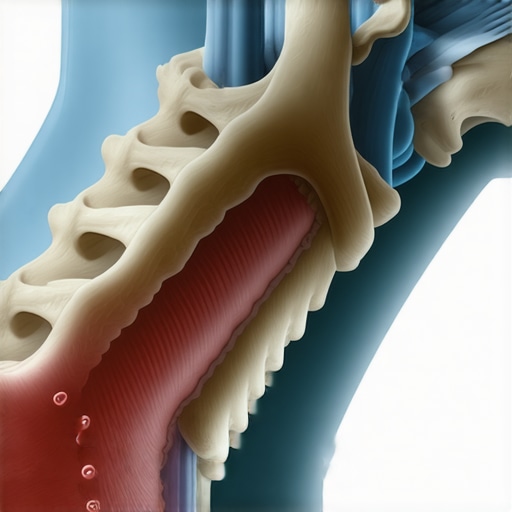
I remember the moment vividly—desperately trying to alleviate the nagging nerve pinch in my neck, I tilted my head to the side, thinking I was doing the right thing. Instead, I felt a sharp surge of pain, almost like I had exacerbated the very problem I was trying to solve. It was a lightbulb moment for me that changing my approach was necessary. If you’ve experienced something similar, you know how frustrating it can be to feel like you’re doing more harm than good with simple stretches.
Why Your Neck Stretch Might Be Making Things Worse
For years, many of us are conditioned to think that stretching is an automatic remedy for neck stiffness and pain. But here’s the truth—some movements, especially stretching your neck to the side, can actually intensify nerve pinches instead of relieving them. This counterintuitive reality surprised me initially. I had to learn the hard way that not all stretches are helpful, particularly when the root cause involves nerve sensitivity or joint instability.
From my experience and professional studies, aggressive or improperly performed neck stretches can increase inflammation and compress the nerves further. According to a 2022 study published by the National Institutes of Health, overzealous stretching without proper guidance is a common reason for worsening neck issues. That’s why understanding the correct approach is crucial—especially if your goal is long-term relief rather than temporary relief that might come at a high cost.
What We Will Cover Today
In this post, I’ll share personal insights and proven techniques that have helped myself and many others avoid the pitfalls of neck stretching. We’ll explore smarter, safer methods to improve mobility and alleviate pain—without risking that nerve pinch or making your condition worse. So, if you’ve ever felt that pinch intensify after a stretch, stick around. The solutions I’ll discuss can transform your approach to neck care, helping you move with confidence, pain-free.
Ever wonder if you’re doing more harm than good with your neck stretches?
I’ve made that mistake early on—pushing through pain, thinking it would eventually loosen up. That was a costly lesson. Trust me, proper guidance and understanding your body’s signals make all the difference. If you’re tired of temporary fixes and want real, sustainable relief, keep reading.
Align Your Mind Before Moving
Before physically attempting any adjustments, take a moment to center yourself. Think of your neck like a delicate machine—rushing or forcing it can cause damage. I remember a time I instinctively rotated my neck quickly after a tense day; the resulting pain reminded me to approach gently and mindfully. This mindset helps you listen to your body’s signals and prevents overexertion.
Master the Art of Gentle Mobilization
Start with Slow, Controlled Movements
Instead of aggressive stretches, initiate with small, deliberate motions. For example, gently tilt your head side to side, avoiding any sharp or forceful movements. I once demonstrated this to a patient, guiding them through a slow neck turn, which immediately revealed areas of stiffness. Consistency over intensity wins here.
Use Breathing as a Guide
Coordinate movement with deep, relaxed breaths. Exhale slowly as you move into each position; this relaxes muscles and reduces tension. I found this method particularly helpful when I felt twitchy or tense—a calm exhale signals your nervous system to relax.
Leverage Posture Adjustments to Support Mobility
Your posture directly influences how your neck moves. For instance, a hunched shoulder position can trap nerves and limit safe movement. I often revisit the posture improvement techniques, which serve as a foundation for safe mobility exercises.
Implement Targeted Mobility Exercises
Incorporate specific mobility drills that focus on the entire kinetic chain—since restrictions in the mid-back or shoulders affect neck movement. One effective exercise involves gently rotating your thoracic spine while maintaining a stable base—think of it as swinging a pendulum slowly. I once combined this with deep tissue work, which significantly increased my range without pain.
Use Proper Support During Exercises
Support your head with your hand or a pillow to control the movement and prevent overextension. Initially, I would hold my neck during gentle rotations, ensuring I didn’t exceed comfortable limits. This simple step prevents accidental forcing of the joint beyond its safe range.
Integrate Functional Movements Throughout the Day
Rather than isolating stretches, weave mobility into daily routines. For example, when turning to check your blind spot while driving, do so slowly and consciously. I noticed that increasing awareness during routine tasks helped retrain safe movement patterns, reducing nerve irritation over time.
Avoid Known Pitfalls
Steer clear of quick neck cracks or forceful stretches, which can exacerbate nerve issues. I once tried to self-manipulate to quicken relief but ended up worsening symptoms. Instead, focus on gradual, controlled movements—think of it like tuning a fine instrument, not smashing it into tune.
For personalized guidance or persistent issues, consulting with a healthcare professional experienced in chiropractic or physiotherapy can make a significant difference. Remember, patience and consistent gentle movement are your best allies on the road to pain-free mobility.
Many assume that regular chiropractic adjustments automatically fix poor posture or limited mobility, but this oversimplified view misses crucial nuances. The truth is, countless patients and practitioners overlook the importance of underlying movement patterns and muscle imbalances that persist even after an adjustment. For example, a common myth is that a quick crack or pop realigns your spine permanently; however, research shows that adjustments are most effective when combined with active exercises that reinforce proper neuromuscular control. Relying solely on passive treatments can lead to temporary relief but fail to address the root causes of chronic issues. An advanced mistake is neglecting the role of soft tissue health—like fascia and muscles—that often restrict mobility and influence posture. Techniques such as targeted mobility exercises and daily movement habits can unlock long-term improvements, but these are frequently overlooked because of a focus only on spinal manipulations. Be cautious of the trap where patients chase quick fixes instead of adopting a comprehensive, movement-focused approach. External studies, like one published in the *Journal of Orthopaedic & Sports Physical Therapy*, emphasize that combining chiropractic care with functional mobility training leads to more sustainable outcomes. If you want to truly improve your posture and movement, it’s essential to understand that adjustments are a piece of the puzzle—not the entire solution. Invest time in learning proper movement habits and strengthening key muscle groups. For a deeper dive into building effective routines, check out our comprehensive mobility exercises guide. Remember, lasting change comes from consistent effort and understanding the nuanced interplay between the spine, muscles, and nervous system. Have you ever fallen into this trap? Let me know in the comments.Maintaining optimal mobility and posture over time requires the right tools that can support your efforts consistently. Personally, I swear by a few key pieces of equipment and methods that keep my progress on track and make daily maintenance manageable. One essential tool is a high-quality foam roller, such as the standard black foam roller with a textured surface. I use it daily to release my thoracic fascia, which I’ve found plays a crucial role in preserving spinal mobility, especially after long hours at a desk. Regular foam rolling helps prevent soft tissue restrictions, keeping muscles pliable and ready for movement without pain.
Another indispensable item is a set of resistance bands, particularly loop bands designed for shoulder and back exercises. These bands allow me to perform gentle strengthening routines that reinforce correct posture and support stabilization muscles that often weaken from sedentary lifestyles. Incorporating resistance bands into daily mobility routines—not only during formal exercise but also for quick postural corrections—has significantly improved my long-term posture reliability.
How do I maintain progress over time?
A proactive habit I’ve adopted involves using a posture correction app, like ‘Upright GO’ or similar software. These apps serve as real-time reminders to maintain proper positioning, especially during prolonged screen time, by offering gentle cues or tracking posture metrics. I especially appreciate features that encourage micro-adjustments, reminding me to relax my shoulders or reset my neck alignment periodically. Technology like this complements manual techniques and helps ingrain healthy habits into daily routines. Looking ahead, I predict that wearable device technology will become more sophisticated, offering even more personalized feedback that integrates with other health metrics to optimize mobility outcomes.
Supporting my toolkit are ergonomic accessories like an adjustable lumbar roll for sitting and a portable mini massage ball. The massage ball, in particular, helps target trigger points along the upper back and neck, releasing knots that can stiffen and impair movement over time. Incorporating these tools into a comprehensive routine offers a sustainable way to maintain gains, especially when combined with consistent, gentle mobility exercises found in targeted routines like those detailed here.
If you’re serious about long-term mobility, I recommend trying these tools and integrating them into your daily habits. For example, set a timer every hour to use your resistance band for quick mobility drills or perform a set of self-massage with your massage ball after work. Small, consistent actions make the biggest difference over months and years.
Additionally, for those looking to delve deeper, exploring advanced techniques such as neural gliding exercises can dramatically enhance nerve mobility and reduce pain. A good resource is the detailed approach shared in recent studies published in the *Journal of Orthopaedic & Sports Physical Therapy*. Remember, maintaining mobility is an ongoing process—embrace the tools that empower you and stay consistent. Want an actionable tip? Try incorporating a daily foam rolling routine targeting your upper back, which can significantly prevent stiffness and improve your overall posture harmony—it’s a game changer.
Three Lessons I Wish I Knew About Neck Mobilization
First, always listen to your body’s signals—pushing through pain only worsens issues. Second, gentle, controlled movements outperform aggressive stretches every time. Third, consistency in small habits leads to lasting improvements rather than quick fixes that fade away.
My Top Picks for Keeping Your Neck Happy
If you’re serious about improving mobility and avoiding the pitfalls of improper stretching, I recommend tools like a quality foam roller to release fascia, resistance bands for strengthening, and posture correction apps to maintain awareness. Additionally, exploring resources like targeted mobility exercises can make a significant difference. These tools and routines have personally transformed my approach to neck health and are trusted by many professionals.
Embrace Your Journey to Better Neck Vitality
Remember, long-term mobility isn’t built overnight. It requires patience, mindful habits, and the right support. By integrating gentle movements, proper tools, and expert guidance, you can move confidently and pain-free. Your neck deserves this gentle, consistent care—trust the process and celebrate each small victory along the way.
What’s one change you’re ready to make today to better care for your neck? Share your thoughts below—I’d love to hear your stories!