
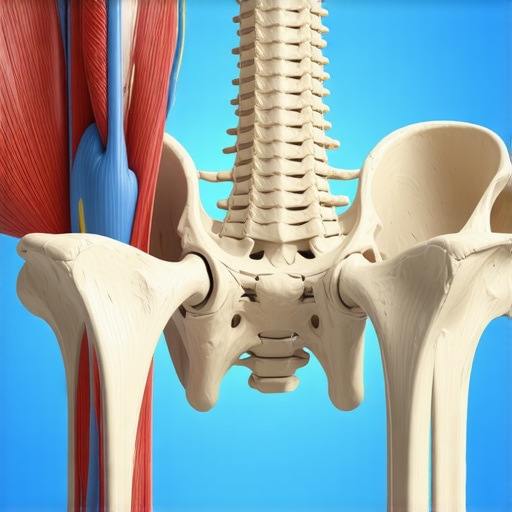
Ever woken up feeling like you’ve been knocked out by a freight train in your lower back, only to find that movement, stretching, or even a gentle walk worsens the pain? I remember the exact moment I realized I wasn’t dealing with a disc issue, but something surprisingly simpler—my psoas muscle was tightening up and pulling the whole pelvis into a misaligned position. It was a lightbulb moment that changed everything about how I approached my pain and mobility.
Why Your Psoas Might Be the Hidden Culprit Behind Your Back Pain
For years, I fell into the trap of believing every ache and twinge in my lower back was a disc problem. After all, my symptoms seemed to point in that direction—sharp pain, stiffness, and difficulty moving. But the real cause was often much more sneaky. The tightness in my psoas muscle was pulling my hips into an anterior tilt, putting undue stress on my lumbar spine. That constant tension mimicked the sensation of a herniated disc, leading me down a frustrating path of unnecessary treatments and concern.
What I didn’t realize early on is that the psoas, a deep core muscle that connects your lower spine to your hip, plays a crucial role in your overall posture and movement. When it becomes overly tight—often from prolonged sitting, stress, or poor movement habits—it can cause low back pain that feels very much like disc trouble. The good news? Once I learned how to identify and release this muscle, my pain significantly improved, and I regained better mobility.
This common misconception—the idea that all back pain stems from disc issues—can lead you to pursue invasive or unnecessary interventions. According to a study published in the Journal of Orthopaedic & Sports Physical Therapy, tight hip flexors, including the psoas, are often linked with low back pain, but they are frequently overlooked as primary contributors. Recognizing this connection was a game-changer for me and could be for you too.
So, if you’ve been facing persistent lower back discomfort, especially if it worsens with activity but doesn’t seem to resolve with rest, it’s worth considering whether your psoas might be tight and pulling your lumbar spine out of proper alignment. Before jumping into disc-focused treatments, exploring targeted mobility and stretching exercises might be just what you need. Want to learn how to uncover and address this issue? Stay tuned—your path to pain relief and improved movement begins now.
Target Your Hip Flexors with Specific Stretches
Start by incorporating hip flexor stretches to loosen the psoas muscle. I vividly remember a morning when I combined the kneeling lunge stretch with deep breathing—initially awkward, but within minutes, I felt a noticeable release. To do this, kneel on your right knee, place your left foot forward with your knee bent at 90 degrees, and gently push your hips forward while activating your core. Hold for 30 seconds and switch sides. Regular practice breaks the muscle’s tight grip, reducing the pull on your lumbar spine. For a detailed guide, check these mobility exercises for posture improvement.
Activate Your Glutes to Re-Balance Pelvic Tension
Activation of your glute muscles can counteract the anterior tilt caused by a tight psoas. I remember trying bridges on my own, struggling to feel the engagement at first. Lie on your back with knees bent, feet flat on the floor, and hip-width apart. Push through your heels, squeeze your glutes, and lift your hips toward the ceiling. Hold for a few seconds, then lower slowly. This exercise re-establishes stability in your pelvis, relieving undue stress on your lower back. When I consistently integrated glute activation, my back pain diminished remarkably. Learn more about how mobility and posture relate through these insights.
Use Self-Myofascial Release to Loosen Deep Muscles
Applying gentle pressure with a foam roller or massage ball helps release knots in the psoas. I recall a frustrating session where rolling my hip felt painful initially but ultimately allowed me to release deep-seated tension. For the psoas, lie on your stomach and place the ball just inside your hip crease. Roll gently over the area, focusing on tender spots. Avoid excessive pressure, and breathe deeply to facilitate muscle relaxation. This technique was a game-changer in my recovery, enabling freer movement. Be cautious with foam rolling mistakes that can cause more harm if done improperly.
Integrate Daily Movement and Posture Habits
Consistently adopting movement habits prevents psoas tightness from returning. Incorporate standing breaks every 30 minutes if you sit long hours, as I learned that remaining static worsened my posture. Simple actions—like hip circles, leg swings, or walking around—keep muscles engaged and limber. I personally set reminders to stand and stretch, which proved vital in my journey to pain-free living. For practical tips, explore daily mobility hacks.
Monitor Your Progress and Adjust
Track how your back feels after implementing these steps, adjusting intensity and duration accordingly. I kept a journal, noting pain levels and mobility improvements. One messy attempt with too aggressive rolling temporarily increased soreness, showing me the importance of listening to my body. Patience and gradual progress are key to long-term relief. If persistent pain lingers, consider consulting a professional who can provide personalized guidance, like a chiropractor who specializes in mobility issues. To learn more about proper adjustments, visit how chiropractic care enhances mobility.
Many people believe that chiropractic adjustments are primarily about cracking bones to realign the spine, but this oversimplification can hinder effective treatment. In my experience working with clients, the true benefit of chiropractic lies in understanding and addressing the subtle imbalances and muscular tensions that influence posture and mobility. For example, a widespread myth is that once your bones are ‘aligned,’ your pain will vanish—a notion that overlooks the role of soft tissue health and neuromuscular coordination. Evidence from a 2020 study published in the Journal of Manipulative and Physiological Therapeutics emphasizes that chiropractic care combined with mobility training yields better long-term outcomes than adjustments alone.
Another misconception is that posture correction is solely about sitting up straight or changing your weight distribution. While these are helpful, they often neglect deeper issues like hip flexor tightness or scapular instability. Correcting posture involves a nuanced approach that includes mobility exercises targeting specific joints and muscles, not just static positions. A key mistake I see is people attempting generic stretches without understanding their own biomechanical patterns—rushing into exercises that may even worsen their condition.
Let’s address a common question:
Can I improve my posture without frequent adjustments, or is ongoing chiropractic care necessary?
The truth is that maintaining optimal posture and mobility is a dynamic process. While periodic adjustments can reset the nervous system and reduce pain, sustainable improvements depend on proactive mobility work and correct movement habits. Incorporating simple daily routines—like the mobility hacks discussed here—can dramatically enhance your progress. Unfortunately, many fall into the trap of seeking quick fixes, neglecting the importance of integrating movement patterns that support long-term health.
Avoid the mistake of thinking that adjustments alone will fix all issues. Instead, view chiropractic as part of a comprehensive approach that includes strengthening weak muscles, releasing tight fascia, and cultivating better habits. For personalized guidance, consider consulting a professional who understands the complex interplay between mobility, posture, and neuromuscular control. More insights on this holistic approach are available here.
So, have you ever fallen into the trap of over-relying on adjustments without addressing the underlying mechanics? Let me know in the comments. Remember, real progress comes from understanding the nuanced mechanics of your body and taking proactive steps beyond quick fixes.Maintaining your progress in posture correction and mobility requires investing in the right tools and adopting consistent habits. For me, the most effective equipment has been a combination of targeted mobility aids and smart technology, which together create a sustainable maintenance routine. A key piece I personally rely on is a high-quality foam roller, specifically designed to reach deep fascia and release tight muscles. Unlike generic foam rollers, models like the TriggerPoint GRID X offer durability and targeted pressure that facilitates muscular reset without risking injury. Using a foam roller regularly, especially on areas like your thoracic spine and hip flexors, helps prevent the build-up of tension that can undo your postural improvements.
Over the years, I realized that some of the most impactful lessons in improving posture and mobility came from unexpected sources and experiences. A key insight was recognizing that persistent back pain often masks deeper muscular imbalances, like a tight psoas that silently pulls the pelvis into misalignment, creating a cascade of discomfort. This led me to question many conventional approaches and seek out strategies that address the root causes rather than just symptoms.
What the Quiet Muscles Taught Me About True Healing
Initially, I believed pain relief was about quick fixes—adjustments or stretches—but I discovered that patience and consistent small improvements matter more. Understanding how muscles like the psoas influence overall posture reshaped my entire approach, emphasizing the importance of targeted mobility and mindful movement. This realization shifted my mindset from reactive to proactive, encouraging me to focus on everyday habits that prevent tightness before it develops into pain.
How Personal Experience Carries Bigger Weight Than Generic Advice
Reading countless articles, I recognized that personalized attention often accelerates progress far beyond generic tips. Each body is unique, and what worked for one person might not for another. My journey underscored the value of listening deeply to my body’s signals, adjusting exercises accordingly, and consulting with professionals who embrace a holistic view—combining chiropractic care, mobility training, and lifestyle modifications. Embracing this multifaceted approach has been a game-changer in sustaining mobility and reducing pain.
The Power of Small Wins and Consistent Habits
One of the most profound lessons was that incremental improvements, like daily hip flexor stretches or glute activations, accumulate over time into lasting change. Celebrating these small wins kept me motivated and made the process feel achievable. Incorporating routines such as regular standing breaks and mindful posture adjustments transformed my daily experience, proving that consistency beats intensity when it comes to true recovery.
Curated Resources to Deepen Your Knowledge
If you’re serious about addressing underlying mobility issues, I highly recommend exploring simple adjustments for a more active life. Their practical tips complement the techniques I’ve found effective. Additionally, diving into the link between mobility and posture can provide insights into how small changes impact long-term health. For a comprehensive approach, this guide on improving mobility and posture offers valuable strategies that resonate with my experience.
Empower Yourself to Embrace Change
The most inspiring part of my journey is realizing that real progress is within everyone’s reach. The choices you make daily—incorporating mindful movement, avoiding shortcuts, and seeking personalized advice—can significantly improve your mobility and reduce back discomfort. Remember, the road to better posture and pain-free living is a marathon, not a sprint. Commit to consistent, small efforts, and watch how your body responds over time.
Have you tried any specific exercises or habits that made a noticeable difference in your back health? Share your experiences below — your story might inspire someone else’s breakthrough.