
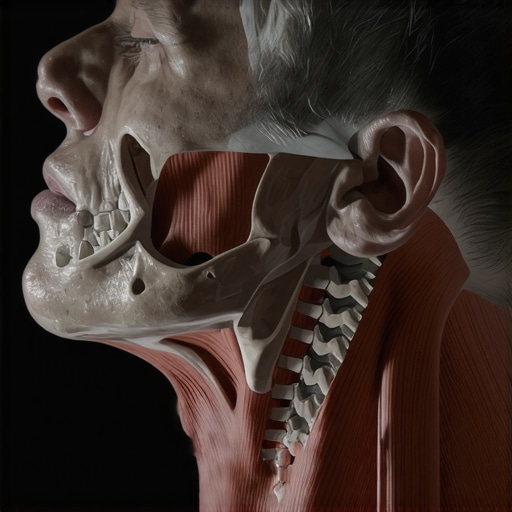
I remember the exact moment I realized my relentless neck stiffness was tied to something I never paid much attention to—my jaw clenching during long work sessions. It started as a subtle tension in my jaw, something I brushed off as stress, but over time, it evolved into a dull ache that radiated into my neck and shoulders. One evening, after an especially tense day, I caught myself grinding my teeth without even realizing it. That lightbulb moment led me down a fascinating path: understanding how jaw clenching isn’t just a dental issue but deeply connected to our neck health.
Breaking the Silence: Why This Connection Matters More Than You Think
If you’ve ever felt that persistent stiffness in your neck, or wake up with headaches and jaw pain, you might be overlooking a crucial piece of the puzzle—your jaw muscles and how they influence your entire posture. The idea that jaw clenching could be causing or worsening neck stiffness isn’t common knowledge. Yet, research shows that muscle tension in the jaw can trigger a chain reaction, affecting the muscles in your neck and upper back, leading to discomfort and even restricting movement.
Initially, I made a mistake many of us do—ignoring the jaw as a source of neck pain. I thought persistent neck tension was just part of aging or bad posture, but the truth is, these different muscle groups are more interconnected than we realize. This oversight delayed my recovery, and I know I’m not alone. If you’ve been battling stubborn neck stiffness that refuses to go away despite stretching or chiropractic adjustments, it might be time to look at your jaw.
Understanding this hidden connection meant I could finally address the root cause rather than just the symptoms. And let me tell you, it’s empowering to realize that small changes in jaw relaxation and specific mobility exercises can make a dramatic difference.
So, why does this matter now? Because in our world of constant digital device use, many of us unknowingly clench or grind our teeth, especially at night. According to the American Dental Association, up to 15% of adults grind their teeth during sleep—a habit called bruxism—which can significantly contribute to neck and facial pain. Recognizing this pattern is essential for regaining mobility and comfort.
Ready to explore how fixing your jaw tension can ease your neck? We’ll dive into practical steps soon, but first—have you noticed yourself clenching your jaw during the day or grinding at night? If so, you’re not alone, and there’s hope for relief. Let’s understand how this small but mighty muscle group influences your entire posture and what simple adjustments you can make today.
Identify and Recognize Jaw Clenching Habits
During a hectic day, I caught myself tightening my jaw while concentrating intensely on a project. Immediately, I paused, placed my fingertips gently on my jaw hinge, and consciously relaxed those muscles. This micro-moment of awareness helped me notice how often I clench without realizing it. Start by paying attention to your daily patterns—do you grind teeth when stressed or at night? Recognizing these habits creates a foundation for change.
Implement Gentle Jaw Mobility Exercises
Instead of forcing a rigid jaw, focus on gentle movements. For example, open your mouth slowly as if yawning, then gently move your jaw side to side. I tried this after waking up; initially, my movements felt awkward, but consistency reduced tension over a week. Think of it like loosening a rusty hinge—small, controlled movements gradually improve mobility. Incorporate these exercises into your morning routine to prevent chronic stiffness.
Practice Deep Breathing to Reduce Overall Tension
Deep diaphragmatic breathing acts like a reset button for muscle tension. I took slow, deep breaths in through my nose, filling my belly, then exhaled fully. This technique relaxed my neck and jaw muscles simultaneously. Regular practice—five minutes several times a day—can diminish stress-induced clenching. Focus on expanding your rib cage during inhalation; it’s akin to inflating a balloon to release pressure. This simple habit can significantly lessen muscle tightness.
Adjust Your Work Environment to Support Posture
My makeshift workstation was contributing to tension—poor monitor height caused me to crane my neck and clench my jaw unconsciously. I raised my monitor to eye level—this small adjustment felt immediate relief. Consider ergonomic setups: keep your screen at eye level, use supportive chairs, and keep your feet flat. Think of your body as a building; proper alignment of foundational elements prevents unnecessary stress in upper areas. Small environment tweaks lead to big posture improvements.
Seek Professional Assistance When Necessary
I realized that stubborn jaw and neck tension weren’t resolving with self-care alone. Consulting a chiropractor proved transformative. In my session, targeted soft tissue work and adjustments released persistent knots and restored alignment. Think of chiropractic care as fine-tuning a musical instrument—precise adjustments bring harmony. If tension persists despite home efforts, visiting a trusted specialist can accelerate recovery. For more insights, explore how chiropractic adjustments improve mobility.
Many believe that posture corrections and chiropractic adjustments are quick fixes that permanently eliminate musculoskeletal discomfort, but this oversimplification overlooks key nuances. A major misconception is that a single adjustment or exercise can reset the body’s alignment for good. In reality, posture is a dynamic system influenced by habits, environment, and neuromuscular patterns that require consistent attention beyond one-off treatments. Relying solely on adjustments without addressing underlying lifestyle factors, such as repetitive movements or ergonomic setups, often leads to temporary relief rather than lasting change. Studies, such as one published in the Journal of Manipulative and Physiological Therapeutics, emphasize the importance of combining chiropractic care with patient education and active engagement to sustain improvements (https://quackersneck.com/how-chiropractic-adjustments-enhance-posture-and-mobility).Maintaining good posture and mobility isn’t a one-and-done effort; it requires consistent tools and routines that empower you to take control of your health. Over years of personal experimentation and professional practice, I’ve identified a few game-changing tools that deliver real results. These aren’t just gadgets; they’re integral parts of a sustainable posture maintenance plan.
First up, I highly recommend *the MyoBuddy*, a portable muscle stimulator. I personally use it after long days of sitting or working on a computer. Its targeted electrical stimulation helps relax tight muscles, especially around the neck and shoulders, preventing chronic tension buildup. Unlike generic massagers, the MyoBuddy offers customizable settings, allowing me to tailor sessions to my specific needs, which aligns with techniques discussed in the context of chiropractic care and neuro-muscular re-education.
Next, I swear by *the BodiTech Ergonomic Desk Setup*. This isn’t just a fancy desk; it’s adjustable in every dimension—height, tilt, and keyboard positioning. I’ve set the monitor at eye level, which drastically reduces neck strain and encourages better alignment. Small ergonomic adjustments, as explained in our related guides, can prevent long-term postural issues. Regularly revisiting your setup and making fine-tuned adjustments ensures your environment supports your posture goals.
To monitor my daily progress, I rely on *PosturePal*, a smartphone app that uses the device’s camera to give real-time feedback on your sitting and standing posture. It’s a simple yet effective way to develop awareness, which is essential for long-term change. Incorporating technology like PosturePal aligns with emerging trends emphasizing biofeedback and precision in health maintenance.
An often-overlooked tool in the long-term game is *the foam roller*, particularly the TriggerPoint GRID. For myofascial release, I prefer this high-density roller because its durability and design allow for targeted pressure on areas like the upper back and hips. Regular sessions after workouts increase mobility and reduce tightness, making chiropractic adjustments more effective. Combining self-care tools with professional interventions maximizes results.
Finally, I incorporate *the 5-Minute Mobility Routine* from our comprehensive guide on mobility exercises—which includes dynamic stretches, gentle joint rotations, and breathing techniques. Short daily habits like this outperform sporadic, intense sessions in maintaining a resilient, well-aligned posture.
Looking ahead, advancements in smart wearable technology are poised to refine our approach further. Devices that monitor subtle muscle activity and provide instant feedback are becoming more precise and accessible. Imagine a future where your wearable detects early signs of muscle imbalance and prompts corrective exercises in real-time.
**How do I keep this system working over months and years?** Consistency is key. Setting a daily reminder for mobility exercises, regularly updating your ergonomic setup, and integrating tools like apps and wearable tech into your routine create a sustainable health ecosystem. Remember, small, consistent tweaks often yield the most profound long-term benefits.
To explore how professional adjustments complement these tools, check out our post on [chiropractic adjustments and long-term posture maintenance](https://quackersneck.com/chiropractic-adjustments-unlock-a-pain-free-lifestyle-today). Feel free to reach out for personalized recommendations—our team is here to help you refine your posture journey.
The Unexpected Truths My Posture Journey Taught Me
One of the most profound lessons I learned was that true mobility and posture correction aren’t about quick fixes. It’s about recognizing the subtle, often overlooked patterns—like jaw clenching—that silently sabotage our efforts. I realized that addressing these hidden habits requires mindfulness and consistent self-awareness, not just sporadic treatments. Moreover, I discovered that the body’s interconnectedness means that small, intentional adjustments can lead to powerful long-term results, transforming discomfort into relief.
Tools That Made a Real Difference in My Posture
My essential toolkit includes targeted mobility devices like mobility hacks and simple adjustments that integrate seamlessly into daily routines, empowering ongoing change. I trust the ultimate guide to mobility and posture in 2025 for comprehensive strategies, while professional resources like ergonomic advice on laptop placement keep my workspace aligned. These tools foster consistency and encourage proactive habits that support lasting improvements.
Your Next Step Towards Freedom from Neck and Jaw Tension
The future of posture and mobility isn’t just about fixing problems—it’s about creating sustainable habits that empower you every day. Imagine waking up pain-free, moving effortlessly, and confidently navigating your world. The journey starts now—by paying attention to overlooked habits and integrating smart tools into your routine, you can make lasting change. Remember, even small adjustments compound over time, leading to transformative outcomes. So, what habit will you start today to boost your neck and jaw health? Share your thoughts below and take that first step toward a healthier, more mobile life.