
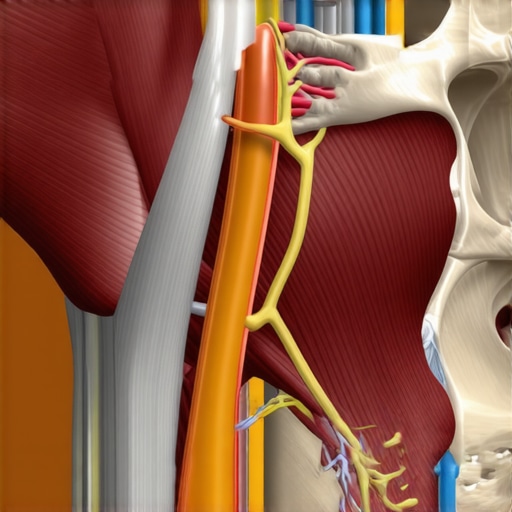
Ever woken up after a solid night’s sleep, only to find your neck stiff, sore, and downright painful? I used to brush it off as just another bad pillow or a rough day at the keyboard—until I realized my jaw might be the culprit. That lightbulb moment changed everything for me, and I want to share it with you, because neck pain that lingers can often be a sign of something deeper, like a jaw issue.
Why Neck Pain Might Be More Than Just Muscle Tension
Many of us accept neck pain as part of modern life—staring at screens, bad posture, stress. But what if that persistent ache isn’t just muscular fatigue? What if your jaw plays a bigger role than you think? I discovered that issues like bruxism or misaligned jaws can manifest as neck tightness or headaches, which was a revelation for me. The fascinating part? Our jaw and neck muscles are closely connected through the jaw joint (TMJ), making misalignments in one area ripple into the other. This connection can sometimes make you think your neck is the sole trouble spot, when in fact, your jaw is tugging at the muscles and nerves nearby.
Early on, I made the mistake of ignoring jaw discomfort, thinking it was just stress. That was a mistake. Over time, ignoring the TMJ can lead to chronic neck issues and even headaches. According to research, TMJ disorders are linked with neck pain in a significant number of cases, and treating jaw problems can alleviate neck symptoms effectively (source). If you’ve been battling neck pain that refuses to quit, it’s worth considering whether your jaw isn’t silently signaling a deeper issue.
Now, I’m going to walk you through the key signs that point to a jaw issue disguised as neck pain, helping you determine whether you should explore chiropractic care, dental assessments, or other remedies. Ready to start unraveling this mystery? Let’s go.
Could Your Neck Pain Be More Than Just a Strain? Here’s What To Watch For
Adjust Your Posture with Precision
Start by evaluating your sitting and standing habits. Imagine your spine as a stack of dominoes; each piece needs to be aligned to prevent knocking over. Use a mirror or record yourself to observe whether your head leans forward or your shoulders slouch. For a quick correction, sit tall, gently tuck your chin, and retract your shoulder blades. Incorporate micro-movements and stretches throughout the day, like shoulder rolls or neck tilts, to maintain proper alignment. Regularly practicing these aids in reducing strain and promotes better jaw positioning, which can alleviate linked neck pain.
Implement Targeted Mobility Exercises
Mobilize your neck and jaw without risking overstretching. Think of your joints as hinges that need regular lubrication. One effective exercise involves slowly turning your head side to side, stopping at a point of slight tension—never pain. Combine this with gentle jaw movements: open wide, then slowly close, mimicking a slow yawning motion. These exercises improve joint function and can help release tension caused by TMJ misalignment, which directly affects your neck muscles. Consistency is key; perform these routines daily for the best results.
Engage in Self-Myofascial Release Techniques
Use a tennis ball or foam roller to target tight muscles around your neck and jaw. Visualize your muscles as a knot-tied string; applying gentle pressure can unwind the knot. Place the ball between your upper trap muscles and a wall, then gently roll or sustain pressure on tender areas. This method helps release fascia restrictions, reducing muscle tightness that contributes to neck stiffness. Be cautious not to overdo it—gentle, sustained pressure yields more benefits than aggressive digging. Integrating this into your routine can make a tangible difference in pain levels and mobility.
Practice Strategic Breathing and Relaxation
Proper breathing relaxes your whole system and diminishes muscle tension. Think of your diaphragm as a bellows; when you breathe deeply into your belly, it expands, signaling your nervous system to calm down. Incorporate diaphragmatic breathing exercises—inhale deeply through your nose, expanding your abdomen, then exhale slowly through your mouth. Relaxation reduces jaw clenching and neck tightness, breaking the cycle of tension. Consider mindfulness or meditation techniques during these exercises; even a few minutes daily can calibrate your nervous system and ease persistent discomfort.
Seek Professional Guidance for Precise Adjustment
While self-care is vital, consulting a chiropractor familiar with TMJ and postural correction can accelerate progress. Think of this like tuning a musical instrument; fine adjustments produce harmonious sound. A professional can perform gentle, targeted adjustments to realign your jaw and spine, addressing underlying issues that self-care alone might not fix. They can also recommend personalized mobility routines and exercises tailored to your specific needs. For a comprehensive approach, explore insights from chiropractic care and ensure consistent follow-up to sustain these improvements.Many people assume that a quick chiropractic adjustment is a one-size-fits-all fix for posture or mobility issues, but in my experience, this oversimplification can lead to ongoing problems. The truth is, most folk get misled by myths like “more adjustments mean faster results,” ignoring the importance of personalized, functional movement plans. For example, some believe that stretching is always beneficial—yet, aggressive or improper stretching can actually worsen joint instability or cause injury, especially if it neglects individual nuances.
Why do some advanced mobility routines backfire instead of help?
This often happens because people overlook the complex interplay of muscle strength, joint stability, and neurological feedback. According to a study published in the Journal of Orthopaedic & Sports Physical Therapy, unsupervised DIY mobility exercises can sometimes reinforce poor movement patterns rather than correct them (source). One common trap is mistaking temporary relief for actual correction. For instance, a short-term relaxation of tight muscles via foam rolling may seem helpful, but without addressing underlying joint alignment or long-term mobility, the problem often reverts or worsens. It’s critical to understand that adjustments and mobility work should be part of a comprehensive plan that includes posture education, strength training, and ongoing monitoring. The goal isn’t just to feel better momentarily but to create sustainable improvements.
For advanced practitioners, paying attention to subtle cues like joint proprioception and neuromuscular control is essential. Sometimes, overzealous adjustments or stretching can disrupt the body’s natural stabilization mechanisms, leading to new imbalances. Balancing these interventions with targeted strengthening and movement re-education ensures lasting change. To explore effective strategies tailored to your needs, consider diving into specialized resources like chiropractic-guided mobility planning. Remember, the key is a nuanced approach—avoid cookie-cutter routines and listen to your body’s signals.
Have you ever fallen into this trap? Let me know in the comments or reach out to discuss your unique challenges. Harnessing expert insight transforms setbacks into stepping stones toward optimal health, not just temporary relief.
Maintaining your progress in posture, mobility, and overall neck health requires the right tools and consistent routines. Over the years, I’ve found that integrating specific equipment and software has significantly enhanced my ability to sustain improvements and even scale my efforts. Today, I want to share exactly what works for me, and how you can implement these strategies for lasting results.
Invest in Quality Mobility Aids
One of my top investments has been a **high-density foam roller** paired with a set of **lacrosse balls**. I prefer a foam roller with firm yet forgiving density, like the RumbleRoller, because it effectively releases fascia restrictions without causing discomfort. I use it daily to target tight muscles around my neck, shoulders, and upper back, especially after long days at the computer. The lacrosse balls are perfect for pinpointing tender spots around the jaw and upper traps, helping me address specific trigger points that often contribute to neck stiffness.
Utilize Advanced Posture Monitoring Devices
To keep accountability and track my progress, I rely on posture tracking apps like Upright or Lumo Lift. These devices provide real-time feedback on my head position throughout the day, alerting me if I start to lean forward or slouch—a common pitfall when working long hours. The data collected over time allows me to refine my ergonomic setup and incorporate micro-adjustments, preventing long-term maladaptation. For example, I’ve adjusted my monitor height and chair position based on insights from these tools, reducing strain significantly.
Adopt Software for Guided Mobility Routines
Guided routines are critical to ensuring consistency. I use programs like Chiropractor-Approved Mobility or customized YouTube playlists from trusted physiotherapists. These platforms provide step-by-step exercises specifically tailored to address common neck and jaw misalignments. The routines include gentle neck stretches, jaw mobility drills, and breathwork, all of which I perform twice daily. The repetitiveness and structure promote neural retraining and long-term adaptability. Moreover, practicing these exercises with clear visual guides ensures proper form and maximizes benefits.
Tracking Progress with Visual Logs
Another tool I recommend is maintaining a visual progress journal. Every week, I record photographs of my posture and note any changes in mobility or discomfort levels. This habit helps me recognize subtle improvements or areas that need adjustment. It’s a simple yet effective way to stay motivated and ensure you’re not slipping back into poor habits. Combining these visual logs with data from posture sensors creates a comprehensive picture of your long-term health trajectory.
Predicting Future Trends in Self-Maintenance
The future of long-term posture and mobility maintenance will likely involve smarter, wearable technology that seamlessly integrates with daily routines. Imagine custom-molded ergonomic devices that adapt in real time to your movement patterns or AI-driven apps providing instant corrections based on behavioral analytics. As the field advances, I foresee a shift toward more personalized, data-driven solutions that empower us to maintain optimal health with less effort. For now, leveraging the tools I’ve described can give you a practical advantage.
How do I keep my improvements over time?
The key is consistency and continual adjustment. Regularly revisit your tools, set new goals, and incorporate fresh routines. Remember, even the best equipment requires mindful usage—you must listen to your body. Try setting weekly reminders encouraging you to perform mobility drills, review progress logs, and calibrate your ergonomic setup. This proactive approach ensures your gains aren’t just temporary but become integrated into your lifestyle, supporting long-term health and mobility.
If you’re ready to elevate your maintenance routine, I recommend exploring innovative devices like posture monitors and integrating guided mobility exercises into your day. Small, sustained efforts yield lasting results, and with the right tools, you can make this your permanent habit. For deeper insights, check out chiropractic care strategies that complement these tools perfectly.

Sometimes, the most persistent neck pain isn’t about muscles or posture alone—it’s about understanding the deeper connections within your body. One of the hardest lessons I learned was recognizing how jaw misalignments can subtly wreak havoc on neck health, reinforcing the importance of a holistic approach. Over time, I realized that ignoring this link could stall recovery or lead to chronic discomfort. Embracing this insight transformed my approach, reminding me that effective neck health strategies often require looking beyond the obvious and trusting your body’s intricate signals.
Little Secrets That Changed My Perspective on Neck Pain
- Posture isn’t just about standing tall—it’s about joint harmony: I discovered that realigning my jaw and cervical spine was crucial. It’s easy to fixate on neck stretches when the root cause might lie in jaw tension or misalignment, a lesson that shifted my entire treatment mindset.
- Self-awareness is your best tool: Mindful movements and regular checks on my jaw tension uncovered patterns I never noticed, helping me preempt flare-ups before they worsened.
- The power of gentle mobility: Combining slow head rotations with jaw mild exercises created a synergy that substantially reduced pain, proving that patience beats rush in musculoskeletal recovery.
- Professional guidance accelerates healing: My chiropractor’s realignment sessions complemented my at-home routines and emphasized that sometimes, expert adjustments are the key to unlocking stubborn neck issues.
Tools and Resources That Made a Difference
- High-density foam rollers and lacrosse balls: Trusted for their fascia-release capabilities, I use them daily. They target my neck, shoulders, and jaw, making tangible differences in flexibility.
- Posture tracking devices like Upright: These gadgets provided real-time feedback, encouraging consistent ergonomic habits and highlighting subtle improvements I hadn’t appreciated before.
- Guided mobility exercises from trusted physiotherapists: Programs like the Ultimate Mobility Guide became part of my routine, fostering long-term habits that sustain my progress.
- Visual journals and progress logs: Tracking my posture and mobility milestones kept me motivated and helped tailor my approaches over time.
Remember, Your Neck Health Is a Personal Puzzle
My journey taught me that effective adjustments, mobility, posture, and chiropractic strategies aren’t one-size-fits-all solutions—they’re personalized art forms. Embracing nuanced interventions, listening carefully to your body’s cues, and maintaining consistent routines are essential for long-lasting relief. The future holds promising innovations, such as smarter wearable tech, that will personalize your health path even further. But for now, trust in the knowledge, tools, and persistence you cultivate today—that’s how lasting change happens.
What’s the hardest lesson you’ve learned about neck or jaw health?
Share your story below! Your insights might inspire others to uncover hidden causes of their neck pain and take confident steps toward relief.
,