
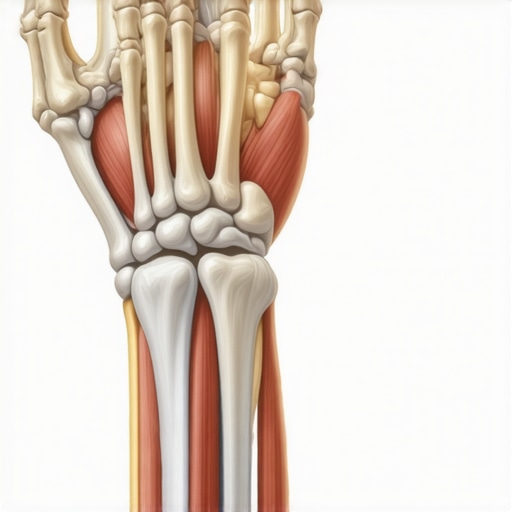
It all started with a simple squeeze of a shampoo bottle. My hand cramped painfully, and I dismissed it as just a bad pinch or maybe overuse. But over the next few days, I noticed something strange—wrist pain that refused to go away, numbness creeping into my fingers, and a dull ache that felt deeper than just sore muscles. That was my lightbulb moment, realizing that my discomfort wasn’t solely from typing too much but might actually be a sign of something more serious—a pinched nerve.
Why Wrist Pain Could Be a Sign of a Pinched Nerve
Most people brush off wrist pain as carpal tunnel or overexertion. But what if that persistent ache, tingling, or weakness in your hand is your body’s way of telling you that a nerve in your neck or upper back is being compressed? The nerves originate from the cervical spine, and when those roots get pinched—commonly from poor posture, muscle imbalances, or spinal misalignments—the pain can radiate down into your wrists and fingers.
Early on, I made the mistake of just resting my wrist and hoping it would resolve on its own. But that delay only allowed the problem to worsen. It took a visit to a knowledgeable chiropractor who specializes in spinal health to reveal the real culprit. This experience taught me that addressing wrist pain without considering the nerve roots in the neck can be a missed opportunity for a true solution.
If you’ve been dealing with stubborn wrist issues, you’re not alone. Many don’t realize that their wrist discomfort might originate from misalignments higher up in the spine, not just the wrist itself. Recognizing this is the first step toward effective relief.
Interested in exploring how spinal health affects your everyday comfort? Check out [why chiropractic care is your secret weapon for better posture](https://quackersneck.com/why-chiropractic-care-is-your-secret-weapon-for-better-posture) to learn more.
Understanding why your wrist pain persists can dramatically change the way you approach treatment. Instead of masking symptoms with painkillers or ice, uncovering the root cause—like a pinched nerve—can lead to lasting relief. In the next sections, I’ll walk you through practical strategies to identify whether your wrist pain is nerve-related and suggest steps to get you back to normal, pain-free movement. Stay tuned, because your path to comfort might be just a few adjustments away.
Identify Your Posture Pitfalls
Start by observing your daily habits. Use a mirror or record yourself working on a laptop. Notice if your head leans forward or your shoulders slump. I once caught myself curling into a hunch during a video call, which was a wake-up call. Correcting this involves awareness and intentional adjustments to your workspace. Learn to recognize poor postural habits that contribute to nerve compression by checking out this guide on posture misalignments.
Many believe that maintaining good posture is simply about sitting up straight and avoiding slouching, but the truth is far more complex. A common myth is that static posture alone dictates spinal health; however, **dynamic movement and mobility** play crucial roles in preserving proper alignment. For instance, focusing solely on static corrections without addressing mobility deficiencies can lead to frustration and ineffective results, as highlighted in [a recent study](https://quackersneck.com/the-link-between-mobility-and-posture-a-chiropractors-guide), which emphasizes the importance of integrating mobility work into posture correction routines.
Another misconception is that chiropractic adjustments are instant cures for postural issues. While adjustments can correct misalignments effectively, expecting immediate, permanent results without incorporating lifestyle changes is a mistake. Real progress involves understanding the nuances of adjustment techniques—such as targeted mobilizations versus generic stretches—and how they work synergistically to improve posture over time. This is why, in my experience, **targeted chiropractic strategies** tend to outperform generic routines, as explained in [this detailed guide](https://quackersneck.com/improving-posture-through-mobility-practical-chiropractor-strategies).
Be wary of the trap some fall into: believing that posture is solely about the upper back or neck. **Lower body mechanics and pelvic alignment** significantly influence overall posture, yet are often overlooked. Poor hip mobility, for example, can manifest as upper body compensation, leading to neck tension or shoulder misalignment. Advanced practitioners recognize these interconnected factors and tailor interventions accordingly.
In the realm of advanced care, many overlook the subtle influence of **breathing patterns** on posture. Shallow chest breathing can reinforce a forward head position, exacerbating cervical strain. Correcting this requires a comprehensive approach that includes **breathwork alongside adjustments**, as discussed in [this expert article](https://quackersneck.com/the-connection-between-stress-and-that-knot-in-your-traps).
Remember, lasting improvement hinges on addressing these underlying nuances rather than just applying surface-level fixes. Are you falling into the common traps of ignoring mobility or the interconnected nature of postural components? Let me know in the comments. For personalized strategies, consider reaching out through [this contact page](https://quackersneck.com/contact-us). Let’s work toward a posture that supports your daily vitality and long-term health.Maintaining optimal posture and mobility over the long term requires more than just awareness; it involves investing in effective tools and consistent practices. One of my favorite pieces of equipment is the **Lumbar Support Roll**, which I place at the base of my chair. It provides immediate feedback on maintaining proper lumbar curvature, preventing slouching during extended work sessions. I personally use the **Fisiological Mobility Ball**, a dense rubber ball designed to target specific muscle groups, to perform daily mobilizations that keep joints supple and resilient—especially useful after long periods of sitting. These tools complement the chiropractic adjustments I receive and reinforce proper movement patterns, making long-term progress sustainable.
Throughout my journey exploring posture, mobility, and chiropractic care, I uncovered some profound truths that reshaped my approach—and I believe they can do the same for you. These insights aren’t just theories; they’re lessons learned from personal experience that reveal the subtle complexities of maintaining spinal health and avoiding persistent discomfort.
Secrets I Wish Someone Told Me About Posture and Nerve Wellness
- Misalignments Are Often Deeper Than They Appear: I used to think fixing my slouching was just about sitting upright. It wasn’t until I discovered how misalignments in my hips and upper back contributed to nerve pinching that I realized posture is truly interconnected. Addressing only the surface symptoms often means missing the real cause.
- Mobility Is the Missing Piece: Static stretches alone weren’t enough. Incorporating targeted mobility exercises transformed how I moved and felt. As I learned from expert resources, improving joint mobility supports posture and reduces nerve compression risks far more effectively than passive stretching alone.
- Early Intervention Can Save You Months of Suffering: Ignoring mild wrist or neck discomfort almost always leads to chronic issues. Recognizing signs like tingling or dull aches early on allowed me to seek targeted chiropractic strategies, which fast-tracked my recovery and prevented long-term nerve damage.
- Holistic Lifestyle Changes Accelerate Healing: Small adjustments in daily habits—like better desk ergonomics, mindful breathing, and regular movement—made a significant difference. These lifestyle tweaks are essential complements to chiropractic care, ensuring lasting postural health.
My Essential Tools for Lasting Posture Improvement
- Fisiological Mobility Ball: This tool helps me target tight muscles and restore joint play. It’s a game-changer for daily mobility routines, especially after long sitting periods.
- Lumbar Support Roll: Proper lumbar support during work prevents slouching and maintains spinal curves, reinforcing the benefits of regular adjustments.
- Resourceful Reading: Books like this guide on mobility and posture deepened my understanding of how movement impacts nerve health and posture stability.
- Professional Consultation: Regular chiropractic visits tailored to my specific needs have been pivotal. Personalized adjustments and mobility plans made all the difference in my recovery journey.
Take Action and Reclaim Your Comfort
If you’ve been battling stubborn wrist pain or noticing numbness creeping into your fingers, know that solutions exist beyond quick fixes. The key lies in addressing the root causes—postural misalignments, mobility deficits, and lifestyle habits—that silently shape your nerve health and overall comfort.
Remember, improving posture and mobility is a journey, not a one-time fix. Take that first step today—explore expert strategies, incorporate simple mobility exercises, and seek professional guidance when needed. Your body will thank you with renewed vitality and pain-free movement.
Are you ready to invest in your spinal health and ditch the discomfort for good? Drop a comment below and share your experiences or questions—let’s support each other on this path to better posture and nerve wellness!