
I remember the exact moment I realized my persistent hip pain wasn’t just about my hips. I was limping through my daily routine, trying everything from stretching to all sorts of treatments, yet nothing seemed to stick. Then, suddenly, during a routine check-up, a chiropractor pointed out something surprising about my foot arch—something I had completely overlooked. That lightbulb moment transformed how I see pain in my body. Has this ever happened to you? That nagging discomfort that just won’t go away, making everyday tasks feel like a chore? Well, what if I told you that your foot arch might be the invisible culprit behind your hip pain?
The Unexpected Connection: Why Foot Arch and Hip Pain Are More Linked Than You Think
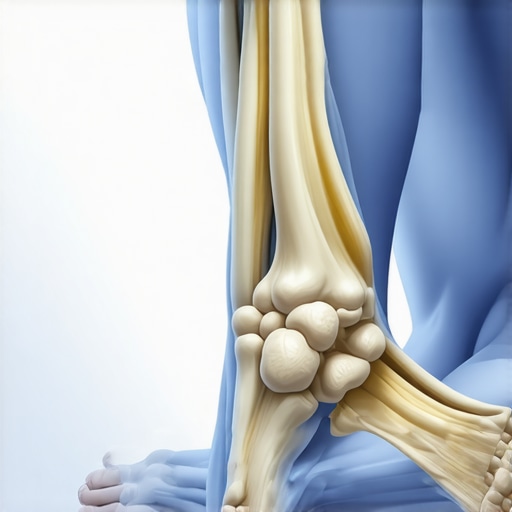
Many people don’t realize that issues starting from the feet can ripple all the way up to the hips, affecting your posture, mobility, and overall comfort. Our feet are the foundation of our body. If their structure is compromised, it throws off the entire alignment, much like a crooked building. A flat or overly high arch can distort your gait, leading to uneven stress on your hips and lower back. Over time, this imbalance can manifest as persistent pain or discomfort.
In fact, studies show that correcting foot mechanics can significantly reduce hip pain, especially for those who have tried traditional treatments without success. This isn’t just an idea; it’s backed by scientific research. An article published in the Journal of Orthopedic & Sports Physical Therapy highlights that addressing foot mechanics can have profound effects on hip function and pain levels.
Early on, I made a common mistake—focusing solely on the hips and ignoring my feet. I didn’t realize that misalignments in my arches were subtly pulling my hips out of place. Once I addressed that, my pain began to ease. This was a game-changer, and it’s something I wish more people knew about. Understanding this connection opens up a whole new avenue for relief, often faster and more effectively than conventional methods.
Curious to see if your foot structure might be part of your hip issue? That’s exactly what we’re going to explore today. By understanding how your foot arches influence your entire posture, you can take targeted steps to feel better, move freer, and regain control of your body’s natural harmony.
Is Your Hip Pain Really Worth All the Hype?
Let’s be honest—there are plenty of quick fixes out there, and skepticism is healthy. I too was wary at first, thinking, “Really, my feet could be causing my hip pain?” But delving into this link revealed a simple truth: neglecting foundational issues often leads to ongoing pain and frustration. Recognizing the role of your foot arch can save you time, money, and a whole lot of discomfort in the long run.
Assess Your Foot Structure Precisely
Start by evaluating whether your arches are flat, high, or misaligned. Stand barefoot on a mirror or paper and observe the imprint. A flat arch leaves a full footprint, while a high arch shows a narrow band in the middle. I once noticed during my own assessment that my arch was collapsing when barefoot, which explained my hip discomfort. Knowing this helps target your corrective actions effectively.
Select the Right Footwear
Choose supportive shoes that match your foot type. For flat arches, opt for insoles with arch support designed to bolster your natural structure. For high arches, cushioning is key to absorbing shock. I replaced my worn-out sneakers with custom inserts, which made a noticeable difference in my gait and hip relief. Proper footwear acts as a foundation, akin to building a house on a stable base, preventing misalignment from the start.
Implement Targeted Mobility Exercises
Integrate daily mobility drills focused on your feet and ankles. Think of your ankles as the hinge connecting your foot to the leg; if stiff or restricted, it affects your entire posture. For example, I practiced ankle circles and dorsiflexion stretches every morning, which improved my foot flexibility and reduced hip tension. These exercises are simple but powerful, much like tuning a machine for optimal performance.
Use Foam Rolling for the Lower Legs
Rolling out calf muscles and the shins alleviates tightness that can pull on the ankles and alter gait patterns. I spent 5 minutes rolling each leg, feeling knots release and newfound ease in my movement. Regular foam rolling enhances tissue elasticity, much like oiling a stiff gear to turn smoothly.
Adjust Your Gait to Correct Imbalances
Focus on your walking and running patterns. Aim for a balanced stance where your weight distributes evenly across the foot. During a session, I consciously slowed down and paid attention to heel strike and toe-off, making adjustments to land softly and evenly. This conscious correction prevents compensations that stress your hips and back. Think of gait correction as recalibrating a misaligned tire for a smoother ride.
Seek Professional Corrections for Lasting Impact
Schedule a visit with a chiropractor experienced in gait and foot mechanics. They can perform specific adjustments that realign your joints and improve mobility. Like tuning a musical instrument, precise adjustments restore harmony across your body’s framework. I had a session where a targeted spinal and foot adjustment significantly eased my hip pain, confirming that expert intervention accelerates results. Visit this page to find professionals who can guide your transformation.
Incorporate Consistent Daily Habits
Adopt daily routines that reinforce proper posture. For instance, performing simple mobility hacks like ankle rolls or toe stretches during breaks encourages ongoing alignment. I set reminders to stretch my arches and check my posture throughout the day, which prevented discomfort from creeping back. These habits act as small, consistent investments into your long-term health, much like regular maintenance keeps a car running smoothly.
Monitor Your Progress and Make Adjustments
Keep a journal or record of your pain levels and mobility improvements. If certain exercises don’t seem effective, tweak the intensity or try alternative strategies. After a week of consistent practice, I noticed clearer gait and reduced hip pain, which motivated me to stay on course. Continual assessment ensures your efforts align with your evolving needs, similar to fine-tuning an instrument for perfect sound.
Many people assume that chiropractic adjustments are simply quick fixes or that they only target pain spots. However, one common misconception is that adjustments provide a temporary relief without addressing underlying issues. In reality, the most effective chiropractic interventions focus on restoring proper mobility and posture, which can lead to long-term benefits. For instance, a study published in the Journal of Manipulative and Physiological Therapeutics emphasizes that combined approaches—adjustments, mobility exercises, and posture correction—yield the best outcomes.
Another myth revolves around the belief that once your pain subsides, you no longer need ongoing care. This mindset can be a trap, as the root causes of poor posture or mobility imbalances often linger. Regular maintenance, much like routine dental visits, helps prevent future issues and ensures sustained improvement. If you’re interested in optimizing your body’s function, explore how chiropractic adjustments enhance posture and mobility for comprehensive insights.
Many also overlook the importance of active participation. Chiropractic is not just about passive treatment; engaging in targeted mobility exercises and posture adjustments amplifies the benefits. Daily habits, like mindful sitting and movement, reinforce the gains achieved during visits. To deepen your understanding, check out improving posture through mobility strategies.
Now, let’s address an advanced question for those seeking deeper knowledge:
Why does correcting mobility in the hips and spine sometimes fail if posture looks ‘normal’ on a surface level?
The answer lies in neuromuscular patterns and fascia restrictions that don’t necessarily manifest as visible misalignments. Even when posture appears ‘good,’ hidden tension and movement patterns can impede progress. Research highlights that restoring proper neural pathways and tissue elasticity is crucial—similarly, experts recommend incorporating specific mobility drills that target these subtle deficits, as discussed here.
Remember, the key to lasting improvements is understanding that posture and mobility are complex, interconnected systems. Avoid the trap of quick fixes by embracing comprehensive, nuanced strategies. Have you ever fallen into this trap? Let me know in the comments.
Maintaining optimal posture and mobility isn’t a one-time effort; it demands consistent engagement with the right tools and techniques. As someone deeply invested in long-term wellness, I’ve curated a selection of precisely targeted equipment and strategies that have helped me and my clients sustain improvements and prevent setbacks. In this section, I’ll share the tools I personally rely on to keep everything working smoothly, along with practical insights into their use and future trends.
Sensitive Foam Rollers for Deep Tissue Release
Unlike generic rollers, I prefer high-density foam rollers with embedded vibration technology. The vibration aids in more effective myofascial release, especially in tight areas like the calves or thoracic region. I use these daily to maintain tissue elasticity, which is vital for mobility and proper alignment. Regular rolling prevents fascia restrictions that can undermine posture over time. Advances in foam roller design, including textured surfaces and ergonomic grips, continue to improve user experience, making self-myofascial release more effective and less taxing.
Smart Posture Monitors for Instant Feedback
Technology has made it possible to stay aware of your posture even during busy days. I use wearable posture devices that provide real-time feedback when I start to slouch or lean forward. These gadgets sync with smartphone apps, allowing me to quickly correct my position. This immediate awareness reinforces good habits, especially during long desk sessions. As these devices become more sophisticated, future iterations may integrate AI to offer personalized suggestions, further enhancing long-term compliance.
Mobility Software and Guided Programs
Rather than wandering through random stretches, I rely on curated apps that offer evidence-based mobility routines tailored to my needs. The programs include video demonstrations, progress tracking, and adjustable intensity levels. Incorporating daily mobility protocols from reputable sources, such as these guides, ensures consistent improvements and prevents plateaus. I’ve found that structured plans reduce decision fatigue and keep me accountable.
Weighted Resistance Bands for Targeted Strength
Building resilience with resistance bands helps reinforce correct movement patterns. I use them during active workday breaks or at-home routines to strengthen postural muscles that often weaken from sedentary lifestyles. The versatility allows me to simulate functional movements, like hip hinge or scapular retraction, with adjustable resistance levels. As resistance training becomes more personalized through advancements in band technology, the effectiveness of long-term posture maintenance will only grow.
Where Do Trends in Mobility and Posture Care Lead?
Looking ahead, I predict that digital integration will play an even bigger role. Virtual reality platforms may offer immersive posture correction exercises, and AI-powered apps could customize routines based on real-time sensor data. Wearable devices will likely become more discreet and sophisticated, seamlessly alerting us to poor habits before pain arises. Staying ahead by integrating these emerging tools into your routine now can pay dividends in sustained health and mobility.
How do I maintain these tools and practices over time?
Consistency is king. Schedule regular check-ins with your equipment—change foam rollers when they lose resilience, update software for apps, and calibrate sensors as needed. Keep a habit tracker to monitor your daily use of mobility routines and tools. Remember, your body is an ongoing project; the same way professional athletes maintain their performance, you can preserve your mobility by making these tools an integral part of your daily life. For expert advice on customizing your maintenance plan, consider consulting with a chiropractor experienced in mobility reintegration by visiting this page.
To maximize your results, I highly recommend committing to one of these advanced techniques—perhaps starting with a vibration foam roller or a smart posture monitor. Small, consistent steps here can prevent long-term issues and keep you moving freely well into the future.
Lessons That Changed How I Tackle Posture and Pain
One of the most profound lessons I learned was that symptoms often mask deeper issues. Ignoring foot mechanics, for instance, delayed my recovery, reminding me that holistic approaches are crucial. Another insight was that persistence in mobility routines yields cumulative benefits—small daily actions build lasting change. Lastly, I realized that trusting the process, even when immediate relief isn’t apparent, is vital for long-term health. These lessons pushed me beyond my comfort zone and opened new pathways to wellness.
Tools That Keep My Body Moving Smoothly
My essential toolkit includes high-density foam rollers with vibration, which enhance my myofascial release efforts, and wearable posture monitors that provide real-time feedback. I also rely on guided mobility programs from reputable sources to keep my routines structured and effective. Resistance bands help reinforce my posture muscles, especially after long periods of sitting. These tools are trusted because they empower me to maintain progress daily and adapt as my body evolves.
Your Next Step Could Change Everything
Embracing targeted mobility and posture techniques is more than a habit—it’s a commitment to yourself. Remember, the journey to pain-free movement starts with a single mindful action. Whether it’s incorporating ankle circles or choosing supportive footwear, every small step builds toward a healthier, more vibrant you. Don’t wait for pain to remind you—it’s time to take control and unlock your body’s full potential. Are you ready to begin your transformation today?
What’s one small change you’re willing to make to improve your posture or mobility? Share your idea below—I’d love to hear about your journey to better movement!