
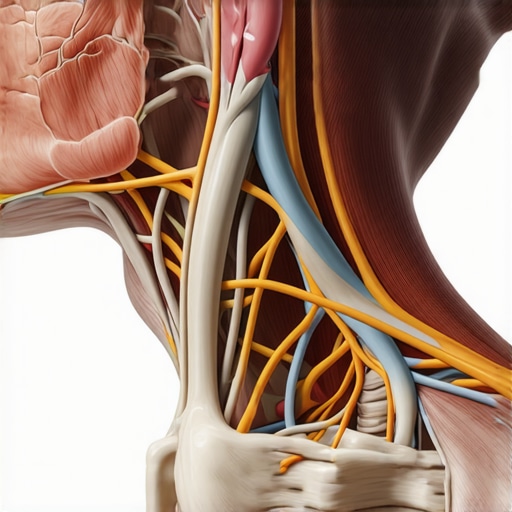
Have you ever been caught off-guard by that sudden jolt of pain shooting down your arm or a persistent numbness in your fingers, just after stretching awkwardly or waking up in the morning? I remember those moments vividly — feeling helpless and wondering if something truly sinister was at play. One day, I realized that understanding whether my nerve pain was coming from my neck wasn’t just a matter of curiosity; it was essential for recovery and relief. That lightbulb moment changed everything for me, and I want to share what I’ve learned along the way.
Deciphering the Source of Your Nerve Pain
Here’s the truth: Not all nerve pain originates from the same spot, and pinpointing its source can be tricky. But trust me, it’s worth the effort. When I first started experiencing arm numbness and tingling, I thought it was just a sign of aging or some random muscle strain. Turns out, my neck was the culprit. Early on, I made the mistake of ignoring the signals or attributing them solely to my posture — a common misconception that can delay proper treatment. Recognizing the nuances of nerve pain from the neck helped me avoid unnecessary tests and get the right care faster. According to a study by the American Academy of Neurology, nerve compression in the cervical spine can cause radiating symptoms that mimic other conditions, making it crucial to identify the exact origin. If you’ve faced this kind of pain, you’re not alone — and there are clear signs and steps to help.
Is Your Pain Truly From Your Neck or Something Else?
I used to think every numbness or tingling was related to my shoulders or arms, but that’s a mistake many people make early on. The key is to listen carefully to how the pain behaves — when it worsens, improves, or stays constant. Repetitive movements, certain positions, or times of the day might give away clues that your neck is the source. Knowing this helped me focus my efforts on targeted stretches, adjustments, and posture corrections. If you’re unsure about your symptoms, don’t just guess. Consider consulting a professional who understands the subtle differences — like a trusted chiropractor or physical therapist — and remember to check out resources on [mobility and posture improvement](https://quackersneck.com/the-link-between-mobility-and-posture-a-chiropractors-guide). Your body often whispers before it screams, so becoming familiar with these signals can prevent future setbacks.
Master the Basics of Mobility and Posture
Start by evaluating how you move daily. I recall a time I neglected simple movements, which led to stiffness. To fix this, I incorporated targeted mobility exercises into my routine, focusing on the neck and upper back. A good starting point is regular neck rotations and shoulder rolls. These movements help loosen tight muscles and improve circulation, reducing nerve compression risks. Remember, consistency is key. Check out simple mobility hacks to find exercises tailored for everyday life.
Identify and Correct Postural Habits
Assess Your Daily Posture
Look at how you sit, stand, and sleep. I noticed that my computer monitor was too low, causing me to crane my neck downward. Elevating my screen to eye level was a game-changer. Use a mirror or record your posture at different times to spot habits that strain your neck. You can also refer to practical strategies for posture improvement to fine-tune your setup.
Implement Dynamic Movements
Static postures cause stiffness over time. Incorporate gentle stretching and micro-movements throughout your day. For instance, every 30 minutes, stand up, perform a gentle chin tuck, or shoulder blade squeeze. These actions help realign your cervical spine and reduce nerve pressure. I personally found that setting alarms on my phone prompted these quick resets — a simple but effective method.
Embrace Chiropractic Adjustments and Techniques
Professional adjustments can realign your spine, easing nerve impingements. I scheduled sessions with a chiropractor who specializes in cervical therapy. During adjustments, precise force applied to specific spinal segments helps restore proper movement. Think of it as tuning a complex instrument; small tweaks lead to harmony. For a deeper understanding, visit how chiropractic adjustments improve posture. Regular sessions, combined with at-home exercises, magnify the benefits.

Develop a Maintenance Routine
Consistency ensures long-term relief. Maintain a daily routine that includes mobility drills, posture checks, and periodic chiropractic sessions if needed. I found that integrating these into my morning and evening routines cemented good habits. Use resources like targeted mobility exercises to keep your spine flexible and healthy.
Monitor Symptoms and Make Adjustments
Pay attention to how your body responds. If certain movements or positions aggravate pain, modify or pause them. Keep a journal or use an app to track symptoms and improvements. I realized that reducing prolonged phone use and taking frequent breaks significantly decreased my nerve discomfort. Remember, small, sustained changes outperform quick fixes.
Many believe that simply stretching more or getting occasional chiropractic adjustments will fully solve neck and back pain issues. However, these approaches often miss the nuanced interplay between mobility, posture, and spinal health. For instance, a common myth is that all cracking or popping sounds during adjustments are ‘bad’ or indicative of problems. In reality, these sounds are usually harmless releases of gas from joint cavities, and ignoring the quality of the adjustment can lead to ineffective or even harmful treatments. Over-reliance on quick fixes such as nightly foam rolling without addressing underlying postural habits can also backfire, leading to compensatory patterns that exacerbate discomfort over time. Studies, like the one published in the Journal of Manipulative and Physiological Therapeutics, indicate that targeted chiropractic interventions combined with personalized mobility routines yield longer-lasting relief, rather than generic, session-only fixes. An advanced mistake many make is neglecting the importance of neurological engagement—simply moving the joints isn’t enough without activating proper muscle control and proprioception. This oversight can stall progress and prolong recovery. Instead, integrating functional exercises that emphasize controlled movement and stability enhances the benefits of chiropractic care. Additionally, some believe that stretching is always the solution; yet, overstretching or aggressive stretching without understanding individual joint limits can strain tissues and worsen symptoms. Consulting with a professional who can tailor mobilization techniques allows for safe, effective improvements. Embrace the idea that sustainable change requires a holistic approach—combining posture correction, mobility exercises, and precise chiropractic techniques. For a comprehensive guide, check out this resource. Let’s normalize questioning common assumptions—your body’s signals are too important to ignore. Have you ever fallen into this trap? Let me know in the comments.
Keeping your mobility and posture in top shape requires more than just good intentions; it demands the right tools and routines. Over the years, I’ve found that investing in specific equipment and software can significantly streamline my maintenance process and amplify long-term results. One game-changer for me has been the use of targeted mobility tools like the Foam Roller Plus. This foam roller features variable density and textured surfaces, which allow for precise myofascial release, helping to relieve tight muscles and improve circulation after daily sessions. I personally notice a marked difference in neck tension and spinal flexibility when I use it consistently. Targeted mobility exercises coupled with the right equipment can prevent chronic stiffness and injury.
Alongside physical tools, I rely on software like the PosturePal App. This app reminds me to do quick posture checks and micro-movements throughout my day. It’s an essential part of my routine because, as I’ve emphasized before, consistency is key to sustained improvements. The app’s real-time feedback lets me correct bad habits immediately, which over time leads to lasting change. According to a study published in the Journal of Bodywork and Movement Therapies, integrating technology-based feedback enhances adherence and effectiveness of posture correction routines.
Looking ahead, the trend is moving towards smarter, AI-powered devices that not only remind you to adjust but also analyze your movement patterns to suggest personalized exercises. Think of it as having a virtual physiotherapist monitoring your progress in real time. This evolution will make maintenance even more intuitive and adaptable. I recommend you explore current devices like the SmartPosture Sensor, which uses wireless proprioceptive technology to track spinal alignment during daily activities.
If you’re serious about maintaining your mobility, I challenge you to try incorporating a high-precision tool like the Foam Roller Plus into your daily routine. Consistent use not only alleviates tightness but also builds resilience against future setbacks. Remember, all these tools are most effective when paired with informed techniques—so keep learning and stay proactive. For more detailed guides on integrating these tools, visit this resource for practical tips that fit into everyday life.
The Lessons I Didn’t Expect to Learn About Spinal Care
- One of the biggest surprises was realizing that nerve pain from the neck isn’t just about the spine itself but also about how I engaged with daily habits. Small adjustments in posture and mindful movement can have outsized effects, saving me from unnecessary tests or treatments.
- Another insight came from understanding that chiropractic adjustments are most effective when combined with active mobility practices. Relying solely on passive fixes left me short of lasting relief, but integrating movement routines transformed my recovery process.
- Lastly, I learned that the body’s signals are subtle but persistent. Paying close attention to early symptoms—like slight tingling or stiffness—arms me to intervene before pain escalates, emphasizing that prevention starts with awareness.
Tools and Resources That Changed My Approach
- Foam Roller Plus: This targeted mobility tool helped me release tight muscles and improve circulation, especially in the neck and upper back areas. Its adjustable textures made all the difference in my routine.
- PosturePal App: A digital reminder system that nudged me to check my posture and perform micro-movements throughout the day, making maintenance effortless and consistent.
- Expert Guides and Articles: Trusted resources like this collection of mobility exercises and insights on chiropractic care proved invaluable in deepening my understanding and guiding my journey.
Keep Moving Forward With Confidence
Remember, the path to a healthier neck and better nerve health isn’t about quick fixes; it’s about making informed, consistent choices that support your well-being. Embrace proactive habits, utilize the right tools, and don’t hesitate to seek expert advice. Your body’s signals are whispering—listening closely can lead to a pain-free future. What small change will you start today to prioritize your spinal health? Share your plans and let’s support each other in this journey.