
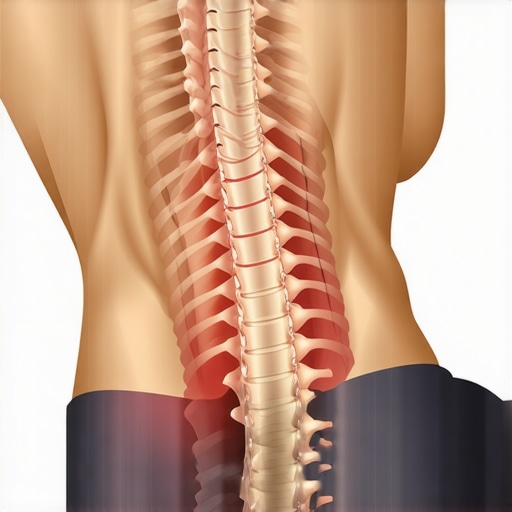
I remember the exact moment I realized my crunches were doing more harm than good. It was after a morning workout, my back aching with a dull, persistent pain that refused to go away. I had been told countless times that crunches are a simple way to strengthen your core—a vital part of daily movement and overall health. But one uncomfortable twinge turned into a nagging ache, making me question everything I thought I knew about exercise and posture. That lightbulb moment pushed me to dig deeper, and what I discovered completely changed my approach—and it might do the same for you.
The Hidden Reason Your Lower Back Fights During Crunches
When I first started experiencing lower back pain during crunches, I thought I was just pushing too hard or using poor technique. Turns out, the root cause was often more insidious: my body’s mobility wasn’t quite right. A lack of proper flexibility and joint health can cause your spine to compensate, leading to strain and discomfort, especially during exercises that target your core. This realization was eye-opening because it suggested that the pain wasn’t necessarily about weak muscles—sometimes, it’s about the signals our body sends when it’s out of sync.
Research supports this: studies show that restricted mobility in the hips and pelvis can cause the lower back to overcompensate, resulting in pain during seemingly simple movements like crunches (source). This means that addressing your mobility issues could be the key to alleviating your back pain and making your workouts more effective and safer.
So, if you’ve been struggling with lower back discomfort during crunches, what can you do? The good news is, simple adjustments and targeted mobility exercises can make a world of difference. But before diving into solutions, it’s worth examining whether you’ve been making some common mistakes that might be worsening the problem—mistakes I once made myself.
Is Your Approach to Core Work Actually Making Things Worse?
One mistake I made early on was blindly pushing through the pain, thinking that pain was just part of the process. In reality, this can lead to further injury and setbacks. Instead of encouraging your body to strengthen, you might be training it to hurt more. A better approach involves understanding your body’s limits and gradually improving your mobility and posture. Want a quick tip? Check out simple everyday mobility hacks that can help you move with ease and reduce strain.
Have you faced similar issues during your workouts? If so, you’re not alone. The journey toward pain-free exercise begins with understanding the root causes and making smart, informed adjustments. Ready to learn how to unlock your body’s natural movement potential? Let’s explore practical strategies that will turn your workouts into safe, empowering routines rather than frustrating pain triggers.
Start with Daily Mobility Routines
My first practical step was incorporating a dedicated mobility routine every morning. Like tuning a well-oiled machine, improving joint flexibility allows your spine and hips to move harmoniously. I began with simple pelvic tilts and hip circles, gradually increasing the range of motion. Doing these exercises consistently helped me notice less discomfort during crunches and other core movements. You can find effective routines in mobility boosts for posture that are easy to follow and adaptable to any fitness level.
Implement Dynamic Stretching Before Exercise
Instead of static stretches that can sometimes weaken muscles temporarily, I shifted to dynamic stretching, which warms up muscles and prepares joints for movement. For example, leg swings and arm circles activate muscles, much like priming a pump for optimal flow. During my practice, I spent five minutes doing gentle lunges with torso twists. This approach increased my range of motion over time and reduced the strain on my lower back when performing crunches.
Adjust Your Technique with Clear, Focused Movements
I learned that proper form is crucial. I used a mirror to observe my technique and kept my hips anchored while curling up. Think of your spine like a stack of building blocks; each movement should be controlled and precise to prevent collapse or strain. Avoid pulling on your neck or using momentum. As I perfected my technique, I noticed an immediate decrease in lower back pain, and I maintained this awareness during all core workouts.
Incorporate Breathing to Stabilize Core and Spine
Breathing is often overlooked but essential. I practiced diaphragmatic breathing, consciously inhaling through my nose to fill my belly, then exhaling slowly during each crunch. This method acts like a stabilizing brace around your core, much like tightening a belt, which reduces unnecessary spinal compression. Proper breathing helped me engage my transverse abdominis, the deep core muscle, providing additional support for my lower back.
Use Targeted Mobility Exercises and Chiropractic Techniques
After a few weeks, I added targeted mobility exercises focusing on hip and thoracic spine flexibility. Exercises like the targeted mobility routines helped me undo the stiffness that caused compensatory movement and strain during crunches. Additionally, consulting a chiropractor for an adjustment session proved invaluable. These adjustments can realign joints, treating the root cause of mobility restrictions, much like resetting a misaligned foundation before building a skyscraper. You can explore how chiropractic techniques enhance posture and mobility in how chiropractic adjustments improve mobility.
Maintain Consistency and Listen to Your Body
Finally, I learned that persistence matters. I kept a routine, tracked my progress, and paid close attention to my body’s signals. If I felt pain beyond normal fatigue, I paused and revisited my form or incorporated additional mobility work. Think of your body as a car; regular maintenance and listening to warning signs prevent breakdowns. This mindfulness ensures that improvement is safe and sustainable, ultimately helping you avoid injury and enjoy your workouts more fully.
While many focus on stretching and adjustments to correct posture, they often miss critical subtleties that prevent lasting improvement. One common misconception is that mobility exercises alone are enough to fix postural issues, but without addressing underlying habits or misaligned joints, efforts may be futile. For example, relying solely on static stretches can lead to temporary loosening without sustainable change. Dynamic mobility work, combined with mindful adjustments, yields longer-lasting results, as highlighted in recent research emphasizing motor control over mere flexibility (source). Another mistake is neglecting the interconnectedness of the whole kinetic chain; focusing only on the lumbar region ignores the impact of foot alignment or shoulder mobility on overall posture. Many assume that quick fixes or superficial adjustments resolve deep-rooted issues, but true alignment requires a comprehensive, personalized approach involving a chiropractic evaluation. An advanced misstep is believing that one-size-fits-all routines work for everyone—each body responds differently based on history, anatomy, and daily habits. For instance, overusing foam rollers on the lower back without proper technique can cause more harm than good, especially if underlying structural misalignments exist (source).
A particularly tricky aspect often misunderstood is the role of subtle asymmetries in daily posture. Small habitual shifts—like leaning on one leg or carrying a bag consistently on one side—can create compensatory patterns over time. Recognizing and correcting these minor biases require an intelligent, step-by-step process, not just quick stretches. Moreover, advanced practitioners emphasize the importance of integrated movement assessments, combining mobility drills with chiropractic insights to achieve comprehensive realignment. This synergy ensures that improvements are durable and that the body maintains optimal function even under fatigue or stress.
In essence, understanding that posture and mobility are complex, dynamic systems is key. It’s not about isolated exercises but about cultivating awareness, correcting habits, and implementing nuanced adjustments—something I’ve learned through years of experience and ongoing education. Focusing solely on superficial fixes risks trapping you in a cycle of temporary relief. Instead, prioritize a holistic, personalized approach that considers all interconnected elements. Be cautious of falling into the trap of oversimplification, and remember that genuine progress takes time, precision, and expert guidance. If you’re curious about how to spot these nuanced issues in your own routine or want tailored advice, exploring detailed resources like mobility enhancement techniques can be a game-changer.
Have you ever fallen into this trap? Let me know in the comments.Maintaining your mobility and posture improvements over time requires more than just a few exercises. Equipping yourself with the right tools and establishing consistent routines can make all the difference in sustaining progress and preventing setbacks. One essential investment is a quality foam roller, such as the TriggerPoint GRID foam roller, which I personally use to release my fascia and keep my muscles supple. Unlike generic rollers, this one has a rigid core and a textured surface that allows me to target specific tight spots effectively, especially after long periods of sitting or intense workouts.
In addition, incorporating mobility aids like resistance bands or stretching straps can greatly enhance your flexibility routines. I prefer a set of adjustable resistance bands because they enable me to perform dynamic stretches with controlled resistance, helping me gradually improve joint range of motion. These are particularly useful when working on hip mobility or thoracic spine flexibility, which are crucial areas I focus on to support my posture.
How do I keep my progress sustainable over time?
Post-workout recovery tools are just as vital. I highly recommend investing in a high-quality massage ball or a lacrosse ball to target stubborn knots and trigger points. Regular self-myofascial release using these tools prevents fascial restrictions from re-tightening, which can compromise your mobility gains. Additionally, I schedule weekly chiropractic adjustments, which I find essential for maintaining joint alignment and addressing any emerging restrictions early. The combined approach of manual therapy and targeted mobility work ensures that my body remains responsive and resilient.
Looking ahead, I believe wearable technology will play an increasing role in long-term mobility maintenance. Devices like biofeedback belts or posture sensors can provide real-time feedback on your habits, nudging you to maintain ideal alignment throughout the day. Already, some apps integrate with these devices to track your progress, reminding you to perform quick mobility drills or posture checks. This trend toward personalized, data-driven care is poised to make sustainable mobility more accessible for everyone, not just fitness enthusiasts.
For those wondering how to ensure their routine stays effective, consider this: consistency is key. Incorporate daily mobility drills from simple adjustments and commit to weekly manual therapies. Start by integrating a dedicated session every Sunday where I use my foam roller, resistance bands, and massage balls to prep my body for the week ahead. This multi-layered approach not only preserves my progress but also enhances my resilience against wear and tear. Remember, the tools you choose should serve your unique needs—what works for one person might not be ideal for another. Experimentation and mindful use are crucial to optimizing your long-term posture and mobility health.
Over the years, I’ve realized that true progress in posture and mobility isn’t achieved through quick fixes or isolated exercises. It requires a nuanced understanding of your body’s unique patterns, consistent mindful habits, and a dash of patience. The most profound lessons came when I stopped searching for instant solutions and started fostering sustainable routines rooted in awareness and gentle intentionality. Remember, every minor adjustment or consistent effort compounds over time, leading to transformative change that lasts far beyond temporary relief.
The Hidden Gems of Mobility and Posture You Might Be Missing
- Patience Over Push: I learned that forcing deep stretches or aggressive adjustments often backfires. Instead, embracing a gentle, patient approach respects your body’s natural healing pace and encourages long-term stability.
- Addressing Habits Beyond Exercises: Small daily habits—like how you sit, carry your bag, or sleep—shape your posture more than any single workout. Becoming aware of these subtle patterns can prevent regress and anchor progress.
- Listening Is Your Superpower: Tuning into your body’s signals prevents injury and refines your approach. Pain isn’t the enemy; it’s a valuable messenger guiding you toward healthier choices.
- Holistic Integration Matters: Combining mobility drills with targeted chiropractic adjustments creates a synergy, reinforcing realignment and ensuring that improvements are durable and resilient.
- Continuous Learning Keeps You Ahead: Staying informed with reliable resources helps you adapt your routines intelligently. For instance, exploring methods in mobility boosts for posture can offer fresh insights into refining your daily habits.
My Treasure Chest of Tools for Lasting Change
- Foam Rollers: High-quality options like the TriggerPoint GRID help release fascial restrictions. I find regular fascia release essential to maintain flexibility and prevent compensatory stiffening.
- Resistance Bands: Versatile and gentle, these aids support dynamic stretching and strengthen stabilizer muscles. I use them daily to enhance joint mobility, especially in my hips and thoracic spine.
- Massage and Trigger Point Balls: The right tools can target stubborn knots and keep my muscles responsive. Incorporating weekly self-myofascial release sessions sustains my mobility wins.
- Wearable Tech and Posture Devices: Emerging awareness tools, like posture sensors, help me stay mindful throughout the day, making subtle corrections in real-time that compound into lasting habits.
Your Journey to Empowered Movement Starts Today
Embracing a holistic, informed approach transforms mobility from a frustrating challenge into an empowering practice. Every small step you take—be it a gentle stretch, mindful habit, or consultation with a skilled chiropractor—brings you closer to resilient, pain-free movement. Believe in the process, stay curious, and celebrate your progress along the way. Your best posture and mobility are within reach, and with dedication, they’ll become your natural state—your everyday foundation for vitality and well-being.
What subtle habit have you noticed impacting your posture the most? Share your experience below and join the movement toward lasting change.