
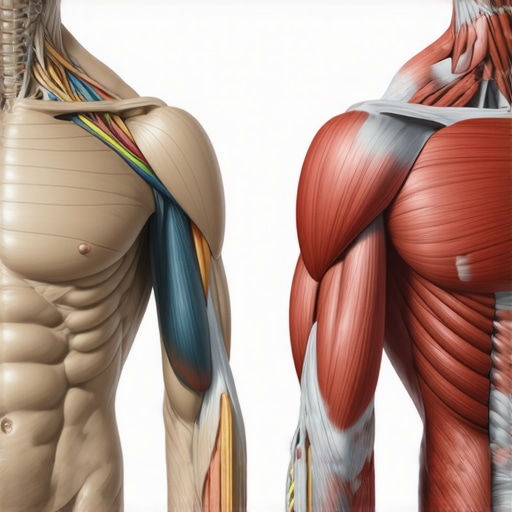
Have you ever caught yourself noticing that one side of your body feels tighter or more knotted than the other, especially after a long day? I remember the exact moment I realized my right side was constantly tense, while my left remained surprisingly relaxed. It was a lightbulb moment that changed how I approached my posture and mobility. I used to think it was just how I slept or my daily routine, but it turns out, this imbalance affects more than just comfort — it impacts your overall health and movement every day.
Understanding the Dominant Side Tension Dilemma
This issue isn’t rare. In fact, studies show that our dominant side often becomes tighter, weaker, or less mobile over time because we unconsciously rely on it more. Whether you’re right-handed or left-handed, that tendency to favor one side influences how you hold your posture and perform daily activities. The problem is, no matter how much stretching or foam rolling you do, if you don’t address the root cause—your habitual movement patterns—you’ll keep battling that persistent tightness. I made this mistake early on: assuming that more stretching alone would solve the problem. It didn’t. Instead, I learned that targeted adjustments and mindful movement are essential for true balance.
Is Targeted Mobility Really the Answer?
Many skeptics wonder if focusing on one side makes things worse or if it’s just a trendy fix. Trust me, I was one of those skeptics at first. But understanding that your dominant side’s tightness is a signal—something your body is trying to tell you—helps shift the perspective. When I started incorporating specific mobility exercises and gentle chiropractic adjustments, the tension gradually eased. If you’re tired of feeling like you’re fighting a losing battle with tight muscles, you’ll want to keep reading. We’ll explore practical strategies to retrain your body and bring relief where you’ve felt stuck for too long. Want a sneak peek of what’s coming? Check out tips on how posture and daily habits silently contribute to this imbalance at this guide.
Recalibrate Your Posture Step by Step
Start by observing how you move throughout the day. Keep a journal of which side feels tighter or more strained, especially after activities. This awareness is crucial; without it, you’re just guessing where to target your efforts. For example, I noticed my right shoulder was constantly stiff after long work sessions, and I decided to focus on specific mobility drills to counteract this habit.
Identify Your Dominant Side and Its Tendencies
Determine which side is dominant—most of us are right or left-handed. This dominance often causes overuse and tension. To assess yours, try a simple strength test: see which arm you can comfortably lift heavier objects or better control a movement. Knowing this guides your targeted corrections.
Incorporate Side-Specific Mobility Exercises
Implement exercises that gently stretch and activate the tight side. For instance, if your right side is tight, perform controlled arm circles or neck stretches to release tension. I personally inserted a series of shoulder rolls into my morning routine, and within a week, I felt noticeable relief. Regular, deliberate movements retrain muscle patterns, helping restore balance.
Use Chiropractic Adjustments as a Reset Tool
Chiropractic care can realign your spine and joints to support these mobility efforts. Think of your spine like a crooked tree—adjustments prune it straight again, allowing healthy growth. After my initial session, I felt immediate relief, which empowered me to continue targeted exercises effectively. Schedule an appointment at this contact page if you’re unsure about proper adjustments.
Practice Mindful Daily Habits to Reinforce Changes
Modify daily habits that reinforce imbalance, like how you sit at your desk or carry your bag. For example, I adjusted my chair height to keep my head aligned over my shoulders, reducing neck strain. Use reminders—set alarms or sticky notes—to maintain awareness. Over time, these small tweaks create lasting improvements in your posture and mobility.
Consistent Review and Adjustment of Routine
Track your progress weekly. Notice which exercises still challenge you and which feel easy, then adjust accordingly. Keep in mind that retraining muscle patterns takes time—patience and persistence are key. For deeper insights into biomechanics, explore this comprehensive guide.
Remember, the goal isn’t just quick relief but cultivating a balanced, pain-free body through purposeful, consistent action. Incorporate these steps into your daily routine, and over time, you’ll notice fewer tension spots and improved overall movement.
While most people focus on stretching, strengthening, or occasional adjustments when it comes to posture and mobility, there’s a subtle yet crucial aspect that many overlook: the body’s tendency to adapt to habitual movement patterns, which can reinforce mistakes rather than correct them. One common myth is that pain or tightness automatically signals a need for more aggressive intervention, like frequent adjustments or deep stretching. However, in my experience working with advanced cases, this can sometimes do more harm by reinforcing compensations rather than addressing the root cause—such as ingrained movement habits and neurological patterns. For example, a study published in the Journal of Physical Therapy Science highlights how persistent muscle guarding can perpetuate poor posture if not correctly addressed through targeted neuro-motor retraining, not just manual therapy alone.
Beware of falling into the trap of solely relying on chiropractic adjustments as a quick fix. Adjustments can realign the spine temporarily, but if you haven’t corrected the movement habits that led to misalignments, you’ll just return to the same patterns. Think of adjustments as a reset button—yet for long-term benefits, you need to integrate daily mobility practices and conscious posture corrections. This is where the misconception about adjustments replacing active self-care fails. Think of it like tuning a piano: adjustments set the foundation, but daily practice keeps it in tune.
What advanced mistakes do people make with posture correction that hinder progress?
One critical oversight is neglecting the nervous system’s role in muscle tone and movement patterns. The body learns and ingrains habits subconsciously, often as a protective response to pain or discomfort. To truly enhance mobility and posture, you must approach it holistically—combining manual therapy, neuromuscular re-education, and behavioral adjustments. Resources like this guide detail how chiropractic care complements mobility exercises for optimal results.
Another nuance is the danger of over-focusing on ‘fixing’ tight muscles without examining the compensatory patterns that caused them in the first place. For instance, tight upper traps might be a symptom of deep cervical instability or jaw clenching—not just a muscular issue to relax away. Recognizing these deeper causes aligns with the insights from Dr. Mike Reinold, who emphasizes that effective posture correction integrates biomechanical, neurological, and behavioral components.
Having fallen into this trap myself—thinking adjustments alone would solve all issues—I learned the importance of a comprehensive approach. Combining targeted mobility routines, mindful daily habits, and expert adjustments leads to the best outcomes. If you want to future-proof your progress, consider exploring expert strategies through practical chiropractic techniques and mobility exercises.
Remember, true change demands more than quick fixes—it’s about addressing the body’s complex adaptive systems. Have you ever fallen into this trap? Let me know in the comments.
Essential Tools for Sustaining Posture Progress
Maintaining your gains in posture and mobility requires the right combination of tools and routines. Personally, I rely heavily on a high-quality foam roller and a set of resistance bands. The foam roller helps me release deep muscle knots and fascial restrictions that often sneak back over time, especially in my upper back and hips. I prefer the TriggerPoint GRID foam roller because its varied surface textures allow for targeted massage, making it easier to address specific tight spots and prevent chronic tension from creeping in. Resistance bands, on the other hand, are invaluable for strengthening weak muscles that support proper alignment—particularly the scapular stabilizers and core muscles.
Beyond physical tools, digital resources have become indispensable. I recommend using posture-monitoring apps like these mobility-focused apps which provide guided routines tailored to your specific imbalances. Regularly tracking your progress with a simple journal or digital log helps reinforce consistency and ensures you recognize improvements or areas needing more attention.
How do I keep mobility and posture corrections sustainable over time?
Adopting a habit of daily micro-movements is key. My routine includes a 2-minute morning flow of neck, shoulder, and hip mobility exercises. These quick habits act as preventive measures—preventing tightness from re-establishing and keeping your muscles activated and balanced. Additionally, integrating periodic chiropractic check-ins, like scheduled adjustments, helps reset your spine and joints, especially if you notice persistent misalignments or tension returning.
Tools that Support Long-Term Success in Posture
Another tool I find invaluable is a posture correction brace, used strategically during work or long periods of sitting. It’s not a crutch but a reminder to maintain awareness of your positioning, which is vital for ingraining proper habits. Also, employing ergonomic ergonomic equipment—like an adjustable standing desk and monitor arms—adjust your workspace to support natural postural alignment, reducing strain over years of use.
Looking ahead, I predict that the integration of smart wearables with real-time posture feedback will become a standard part of maintaining mobility. Devices capable of vibrational alerts when you slouch or hold a bad position are already shaping the future of proactive posture care.
What’s the secret to keeping your postural gains alive over the long haul?
Consistency and vigilance are your best allies. Make mobility exercises a daily habit, use tools like foam rollers and resistance bands to address tightness before it becomes chronic, and seek regular professional assessments. By doing so, you ensure that your improvements are not fleeting but integrated into your body’s natural movement pattern. A small, ongoing investment in these tools and routines will pay dividends over the years. Want to explore more advanced strategies? Dive into this comprehensive guide to future-proof your posture.
If you’re ready to take the next step, I recommend trying a targeted mobility drill like the hip hinge, which not only enhances flexibility but also reinforces proper movement patterns. Regular practice of just five minutes a day can lead to significant long-term benefits.
The Hardest Lesson I Learned About Posture and Mobility
One major revelation was realizing that consistent effort trumps quick fixes. I used to chase after instant relief, only to find the issues returning. Over time, I understood that daily habits and mindful movement create lasting change, inspiring me to adopt a routine that emphasizes sustainable progress.
My Essential Tools to Maintain Muscle Balance
A high-quality foam roller and resistance bands became my staples. The foam roller helps release deep fascia restrictions, while resistance bands strengthen and stabilize muscles that support proper alignment. These simple tools empowered me to take control of my mobility at home and on the go.
Embracing My Posture Journey
This process isn’t just physical; it’s emotional too. Celebrating small wins, like fewer tension spots or improved posture at the end of a busy day, fuels my motivation. Remember, transformation is about consistent, mindful actions—embrace your journey and trust that progress compounds over time.
Have You Started Your Posture Reset?
What’s the one habit or tool that has made the biggest difference in your mobility routine? Share your experiences below and inspire others to begin their own path towards a more balanced body.