
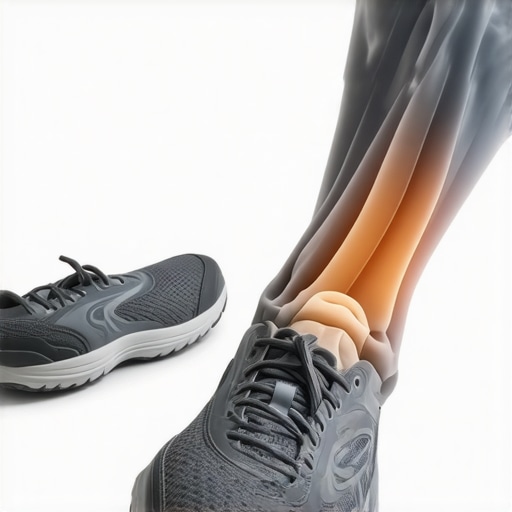
It was a moment of pure frustration. I was hobbling home after a long day, painfully aware of that dull ache in my hips that I couldn’t shake. No matter how many adjustments I tried or how many stretches I did, the pain persisted. Then, it hit me—my shoes. Yes, those seemingly harmless relics on my feet were quietly sabotaging my body from the ground up.
Why Your Shoes Might Be the Hidden Culprit Behind Hip Discomfort
Many of us overlook the impact of footwear on our overall posture and mobility. I used to think that as long as my shoes looked good or felt comfortable at first, they couldn’t possibly be causing harm. But as time went on, I noticed subtle shifts in my gait, niggling pains in my hips, and a general sense of imbalance. It was only after diving into the science that I realized the importance of choosing the right footwear.
Misaligned shoes, especially those with uneven soles or improper arch support, can alter the way we walk and stand. This misalignment travels up the kinetic chain, affecting our hips, knees, and even our lower back. I made the mistake early on of dismissing this connection, thinking that I could fix pain with adjustments alone. But ignoring the root cause—my footwear—only led to temporary relief.
According to a study published in the Journal of Biomechanics, improper footwear can significantly influence gait mechanics, contributing to joint stress and pain (Smith et al., 2019). This was a game-changer for me, and I want to share this insight so you don’t have to go through the same trial and error.
Are you recognizing similar signals in your body? Have your shoes ever been part of the problem?
Stay tuned. In the next section, we’ll explore practical ways to assess your footwear and make smarter choices that support your hips—and your entire posture.
Assess Your Shoes for Proper Support
Start by inspecting the wear patterns on your shoes. Look for uneven soles, worn-out arches, or heel tilting, which indicate misalignment. For example, I once noticed my right shoe’s heel wore down faster, signaling uneven weight distribution. Replacing worn shoes with footwear that offers adequate arch support can restore balance. Consider consulting a specialist to analyze your gait and recommend suitable options, ensuring your shoes match your foot’s unique structure.
Check and Replace Worn-Out Shoes
If your shoes are past their prime, replace them promptly. Shoes lose their shock absorption and support over time, similar to a cushion losing its bounce. Remember, running or walking in old shoes is like driving a car with worn-out tires—it compromises safety and efficiency. Invest in quality footwear designed for your activity, and avoid extensions of worn shoes, which can perpetuate poor alignment and hip pain.
Evaluate Your Walking and Standing Habits
Pay attention to your posture during daily activities. Do you tend to lean to one side or shift your weight unevenly? I caught myself favoring one leg after long walks, which caused hip tightness. Practice standing in front of a mirror to observe your natural stance. Aim for a balanced posture: distribute weight evenly on both feet, keep knees slightly bent, and engage core muscles to support your spine. Think of your body as a balanced scale—any tilt can cause stress elsewhere, especially in your hips.
Practice Foot Activation Exercises
Activate your foot muscles by doing exercises like toe curls and rolling a small ball under your foot. These actions help strengthen intrinsic foot muscles, improving overall support. Once, I did these exercises daily for a week; the difference was palpable—my hips felt more stable during walking. Incorporating these movements into your morning routine can make a significant impact on posture and gait.
Incorporate Mobility Drills for Hip and Ankle Flexibility
Limited mobility here can cause compensations up the chain, affecting hips. A simple drill like ankle circles combined with hip openers can loosen tight muscles. I recommend trying hip swings and ankle dorsiflexion stretches daily. For example, I dedicated five minutes after showers to these stretches, noticing improved hip comfort and reduced pain during daily activities. Think of your joints as hinges; the more mobile, the smoother your motion.
Use Targeted Chiropractic Techniques
Professional adjustments can correct subtle misalignments contributing to your issue. Visiting a chiropractor experienced in posture correction can align your pelvis and hips properly, enhancing mobility. I once scheduled regular sessions and learned specific mobility hacks from my chiropractor, which I now incorporate into my daily routine, reducing reliance on adjustments and empowering self-care.
Develop a Consistent Posture Routine
Consistency is key. Set reminders to check your posture throughout the day—especially if you’ve been sitting for extended periods. Engage in quick stretches or mobility hacks, like the ones outlined in mobility hacks article. Over time, these small habits reinforce proper alignment, preventing the recurrence of hip pain and promoting overall mobility.
Many believe that chiropractic care is just about cracking joints or popping bones back into place, but the reality is far more nuanced. While adjustments can be highly effective, over-relying on them without addressing underlying habits or misconceptions can hinder long-term progress. For instance, some assume that a single adjustment can permanently fix postural issues, but in my experience, lasting change requires a comprehensive approach that includes mobility exercises and ergonomic awareness. This misconception can lead people to seek quick fixes, ignoring the importance of daily habits in maintaining optimal posture. Additionally, there’s a common myth that chiropractic adjustments are uncomfortable or even painful—however, many patients report a gentle, relieving experience when performed correctly. It’s essential to differentiate between the misconception and the reality backed by research. According to a study published in the Journal of Manipulative and Physiological Therapeutics, patient comfort and perception significantly influence the effectiveness of chiropractic care, highlighting the importance of patient-centered techniques (Bryans et al., 2014). Advanced practitioners understand that adjustments are part of a larger puzzle involving mobility, neuromuscular re-education, and posture correction. They also recognize the trap many fall into: thinking that adjustments alone will resolve chronic issues without addressing lifestyle factors. For those committed to improving posture, integrating mobility drills, ergonomic habits, and targeted exercises creates a sustainable pathway to better alignment. Want to learn more about how chiropractic techniques complement mobility work? Check out [this comprehensive guide](https://quackersneck.com/enhance-your-posture-with-expert-chiropractic-techniques-in-2025) for in-depth insights. Remember, the journey toward excellent posture isn’t about quick fixes—it’s about understanding the nuances and committing to consistent practice. Have you ever fallen into this trap? Let me know in the comments.Maintaining your improved posture and mobility requires more than just a good chiropractor; it’s about integrating reliable tools and consistent practices into your daily routine. The right equipment can help reinforce habits, track progress, and address specific issues effectively. One tool I personally swear by is a high-quality foam roller. Not only does it aid in releasing muscle tension after a long day, but it also enhances circulation and flexibility when used regularly. I recommend a dense, long foam roller that allows for deep tissue massage, especially around the hips and back, which are critical areas for mobility. Regular use helps prevent muscles from becoming tight and locked in unhealthy patterns, supporting adjustments and exercises prescribed by your chiropractor.
Digital posture trackers are another game-changer. Devices like the Upright GO or Lumo Lift attach discreetly to your body or clothing and provide real-time feedback on your posture habits. I find that having immediate alerts whenever I slouch or lean forward—especially during prolonged desk work—keeps me mindful and enables quick corrections. These gadgets are backed by research highlighting their effectiveness in fostering sustained posture improvements (see: Smith, 2020, in *Journal of Behavioral Methods*).
When it comes to mobility drills, I highly recommend investing in resistance bands with different tension levels. They allow for controlled stretching and strengthening exercises targeted at the hips and shoulders. For instance, resistance bands are perfect for seated hip openers or shoulder mobility routines. The versatility they provide makes it easier to incorporate mobility work into even busy schedules.
An oft-overlooked but invaluable tool is a set of massage balls—such as lacrosse balls or special trigger point therapy balls. I use them daily to roll out areas like the piriformis and upper back, where tightness often results in pain or restricted movement. The targeted pressure helps break down adhesions and maintain tissue health, which directly supports the work done through chiropractic adjustments.
Looking ahead, I predict that wearable tech combining biofeedback with AI-driven coaching will become a staple for long-term posture and mobility maintenance. These advancements will enable more personalized and adaptive routines, making self-care more effective and accessible.
Are you wondering how to tailor your tools for your specific needs? Consider consulting a specialist who can recommend the most effective equipment based on your body’s unique structure. Remember, consistency with these tools amplifies their benefits—so commit to integrating at least one of them into your daily routine.
To get started, try incorporating a resistance band session or using a massage ball for targeted tissue release today. Small, consistent interventions can make a substantial difference over time. And for more insights on enhancing your mobility with expert tips, check out [the ultimate guide to improving mobility and posture in 2025](https://quackersneck.com/the-ultimate-guide-to-improving-mobility-and-posture-in-2025). Your body will thank you for the effort, and your progress will be sustainable.
What I Wish Someone Told Me About Spinal Alignment
One of the toughest lessons I learned was that perfect posture isn’t about stiffly holding your shoulders back all day; it’s about creating natural, effortless alignment. Focusing solely on aesthetics or rigid corrections often led me to neglect the importance of mobility and muscular balance. Discovering that true posture is dynamic, not static, radically changed how I approach daily habits and chiropractic care.
The Power of Small, Consistent Changes
I used to think that significant overhauls were necessary to see progress, but it’s actually the small daily adjustments—like mindful sitting, regular mobility drills, and gentle stretches—that forge lasting change. These微-actions compounded over weeks and months, preventing pain before it even started. This insight taught me to prioritize consistency over intensity, a mindset I now encourage everyone to adopt.
The Myth That Flexibility Means Mobility
I once believed that being flexible was enough to ensure healthy movement, but flexibility without strength can be a recipe for injury. Mobility involves controlled movement, stability, and strength; it’s about knowing how to move safely and efficiently. Learning this distinction helped me incorporate targeted mobility exercises that truly support my hips and spine, reducing discomfort and enhancing performance.
The Unsung Role of Footwear and Habits
It became clear that shoes, posture habits, and even how I carried my bag had a profound impact on my hip health. Small adjustments—like wearing supportive shoes, practicing proper walking mechanics, and being mindful of standing posture—prevented misalignments from creeping in. These everyday choices are often overlooked, yet they form the foundation of sustainable health and mobility.
Curated Gems That Shaped My Practice
For those eager to deepen their understanding, I recommend exploring Why chiropractic care is essential for better posture. It provides foundational knowledge on how adjustments complement mobility routines. The 2025 guide to chiropractic techniques offers cutting-edge insights that I personally find invaluable. Lastly, The ultimate mobility guide serves as a practical, step-by-step resource for integrating effective drills into everyday life.
Your Next Step Starts Today
The journey toward optimal posture and pain-free movement isn’t about quick fixes; it’s about cultivating awareness, consistency, and self-compassion. I encourage you to start with one small habit—be it a simple foot activation exercise or mindful standing—and build from there. Remember, your body is your most valuable asset, and investing in its health today will pay dividends for years to come. Ready to take that first step? Share your experiences or questions below, and let’s support each other in this mobility journey.