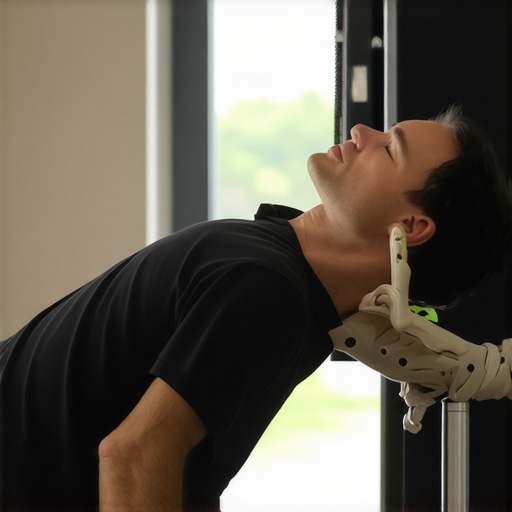
I remember the exact moment I realized I had to do something seriously different about my posture. Sitting at my desk for hours, I felt this persistent tightness creeping up my neck and shoulders, as if my spine was protesting silently. It was a small discomfort at first, but over time, it became a daily reminder that my body wasn’t as resilient as I wanted it to be. That lightbulb moment made me dig into ways to naturally improve my posture and mobility, and what I found was truly eye-opening.
Why Posture and Mobility Matter More Than Ever
Our daily routines often leave us in compromised positions—slouched in chairs, hunched over screens, or carrying stress in our bodies without realizing it. Over time, poor posture doesn’t just look bad; it can lead to chronic pain, reduced mobility, and even affect our mental health. It’s no exaggeration to say that the way we carry ourselves impacts almost every aspect of our well-being. That’s why I’ve made it my mission to share practical, natural solutions that actually work.
Could Chiropractic Care Be the Missing Piece?
Early on, I made the mistake of thinking that stretching alone could fix everything. While flexibility is important, I overlooked how crucial proper spinal alignment is. It wasn’t until I experienced a gentle chiropractic adjustment that I truly felt a shift—my posture improved, and my mobility felt more effortless. Did you know that studies have shown chiropractic adjustments can significantly enhance spinal mobility and reduce discomfort? According to recent research, regular chiropractic care can be a game-changer in maintaining optimal posture and movement (more details here).
If you’ve ever felt like your body is resisting movement or you’re stuck in a cycle of pain, you’re not alone. Many of us underestimate the power of proper spinal health and natural adjustments. That’s exactly what I’ll help you explore today—simple, effective strategies rooted in chiropractic care that can transform your posture and boost your mobility without invasive procedures or quick fixes.
Are you tired of feeling stiff, sore, or just plain uncomfortable? Then let’s dive into some practical steps that I personally swear by to help you stand taller, move freer, and feel better every day.
Start with Gentle Spinal Mobilization
My first real attempt was on a hectic Tuesday morning. I gently rotated my shoulders, moved my neck side to side, and focused on slow, controlled spinal twists. This isn’t about big stretches but small, intentional movements that wake up your joints. Think of your spine as a hinge that needs oiling, not forcing. Regular gentle mobilization helps loosen stiff areas and prepares your body for more targeted adjustments.
Identify Tight Spots and Use Targeted Techniques
After a few days of basic movements, I noticed certain areas—like my upper back—felt chronically tight. I used my fingertips to gently press along my thoracic spine, identifying tender spots. Using this awareness, I applied light pressure with self-massage tools or a foam roller to release tension. This step is crucial because it primes your body for effective chiropractic adjustments, making the realignment more impactful.
Incorporate Targeted Chiropractic Techniques
Once I scheduled a session with a chiropractor, I learned that specific adjustments could be compared to tuning a guitar—fine-tuning your body’s alignment for optimal sound (or in this case, movement). The chiropractor applied gentle, controlled forces to specific vertebrae, much like adjusting a stubborn screw. These adjustments help restore proper spinal alignment and immediately improve mobility. Remember, the goal isn’t force but precision—like a skilled mechanic tuning a fine engine.
Focus on Posture-Enhancing Exercises
After my adjustments, I didn’t just sit back; I incorporated mobility exercises recommended by my chiropractor. Movements like shoulder rolls, thoracic rotations, and chin tucks strengthened my postural muscles and reinforced the correction. Think of it as practicing scales on a piano—consistent practice cements the change. Check out these exercises for a comprehensive routine.
Maintain Consistency and Mindful Movement
What truly made a difference was making these steps part of my daily routine. I set reminders to do quick mobility drills and paid attention to my posture during work. It’s like tending a garden; regular care yields the best results. Over time, I noticed less stiffness, better posture, and more effortless movement. If you want to dive deeper into how chiropractic care can significantly enhance your mobility, explore this detailed guide.
Stay Mindful and Seek Professional Guidance
While self-care is vital, consulting a qualified chiropractor ensures your approach is safe and tailored. They can identify underlying issues, offer precise adjustments, and guide you through exercises that suit your body. Remember, your spine is the foundation—treat it with care and respect. For more insights on effective chiropractic strategies, visit this resource.
While many people have a basic understanding of chiropractic adjustments, there are several nuanced misconceptions that can impede their journey toward better posture and mobility. Let’s dig deeper into what most get wrong and how to truly benefit from expert care.
Why Believing That Stretching Alone Is Enough Can Be a Trap
One of the most widespread myths is that stretching, by itself, will fix poor posture. While flexibility is essential, it often masks underlying issues like spinal misalignment. Without addressing the root causes through precise chiropractic adjustments, your muscles may merely be temporarily loosened, only to tighten again later. Studies show that combined approaches, incorporating chiropractic care with targeted mobility exercises, yield better long-term results (more info here).
Beware of the ‘One-Size-Fits-All’ Approach
Many assume that a single adjustment or routine works universally. This is a mistake. Each spine is unique, and effective treatment requires personalized assessment and techniques. Professionals experienced in spinal health will tailor adjustments based on your specific needs, ensuring optimal alignment and mobility. Skipping this personalized approach can lead to subpar improvements or even exacerbate issues. For advanced insights, explore this detailed guide.
Common Mistakes That Can Derail Your Progress
One trap is neglecting consistency. Even the most effective adjustments won’t stick if they’re not maintained with regular mobility work and mindful movement. Another mistake is ignoring signs of underlying issues, like persistent pain or numbness, which require professional evaluation. Overdoing self-massage or foam rolling without proper guidance can also cause harm. Remember, your spine is delicate—treat it with respect. Regular check-ins with a qualified chiropractor can help you stay on track (more tips here).
Have You Ever Fallen Into This Trap? Let Me Know in the Comments
Understanding these nuances ensures you’re not just chasing quick fixes but building a sustainable path toward better posture and mobility. The key lies in expert guidance, personalized care, and consistent effort. If you’re ready to elevate your mobility naturally, consider exploring how expert chiropractic adjustments can help.
Once you’ve made significant progress in improving your posture and mobility through chiropractic adjustments and targeted exercises, the next crucial step is ensuring those gains stick over time. This is where the right tools and a consistent maintenance routine come into play. In my experience, investing in specific equipment and adopting smart practices can make a world of difference in maintaining long-term results.
Why I Choose Specific Mobility Aids
One of my favorite tools is the foam roller, especially for releasing tension in my thoracic and lumbar spine. I personally use a firm, textured foam roller every morning to break up adhesions and improve tissue elasticity. It’s simple yet effective, and I’ve found that regular foam rolling before chiropractic visits enhances the effectiveness of adjustments. For those interested, check out these mobility exercises to complement rolling.
Incorporating Technology for Long-Term Care
Advancements in technology have introduced apps and wearable devices that track posture and movement patterns. I personally rely on a posture-correcting app that prompts me to sit upright and reminds me to take breaks. These tools provide real-time feedback, making it easier to stay mindful throughout the day. As future trends point toward AI-driven posture coaching, integrating such tech will become even more personalized and effective.
How do I keep my progress sustainable over the years?
The key is consistency. I set aside 10 minutes daily for mobility drills, including shoulder rolls, neck stretches, and spinal twists. These routines are based on the strategies outlined here. Additionally, scheduling periodic check-ins with a chiropractor helps me stay aligned and catch any issues early. Regular maintenance isn’t just about fixes; it’s about proactive care.
Scaling Your Posture Correction Efforts
As you get accustomed to these tools and routines, consider scaling up by incorporating ergonomic upgrades such as adjustable desks, ergonomic chairs, or standing desks. These investments create an environment that supports your posture goals. Remember, the goal is to make good posture effortless, so your body naturally adopts healthier positions without constant conscious effort.
If you’re interested in a comprehensive approach, exploring this detailed guide can help you refine your maintenance routine. I recommend trying out a daily mobility stretch or using a posture corrector device to reinforce your progress. These small but consistent steps will ensure that your efforts today lead to lasting improvements tomorrow.
So, don’t neglect your maintenance—your future self will thank you!
Throughout my journey to improve posture and mobility, I uncovered some hard-earned lessons that transformed my approach. One of the biggest insights was realizing that quick fixes often mask deeper issues. True progress came when I focused on personalized care and consistent routines, rather than one-size-fits-all solutions. I also learned that patience is key; spinal health isn’t restored overnight, but with mindful effort, lasting change is possible. Lastly, I discovered that integrating technology, like posture-tracking apps, can serve as powerful reminders to stay aligned and committed to my goals.
My Secret Tools for Lasting Results
Over time, I built a toolkit that supports my posture journey. The mobility exercises from expert chiropractors have been game-changers—they help me stay limber and reinforce adjustments. Foam rollers are my go-to for releasing tension and maintaining tissue elasticity, especially after long days. I also rely on posture-correcting apps that send gentle reminders to keep me upright, making my efforts more sustainable. These tools, combined with professional guidance, create a comprehensive approach that keeps me on track.
Find Your Inner Drive and Take Action
Now, it’s your turn. Improving posture and mobility isn’t just about quick fixes—it’s about building habits that last a lifetime. With the right knowledge, tools, and mindset, you can stand taller, move freer, and feel better every day. Remember, the journey begins with a single step—so why not take it today? Your future self will thank you for prioritizing spinal health and embracing gentle, effective care.



2 responses to “Effective Chiropractic Adjustments to Improve Posture & Mobility Naturally”
Reading your journey really resonated with me because I’ve experienced similar issues with neck and shoulder tension from long hours at my desk. I agree that gentle mobilization makes such a difference—starting the day with small movements like shoulder rolls and neck stretches can really set the tone for better posture throughout the day. I’ve also found that incorporating regular breaks and mindfulness about sitting posture helps prevent the buildup of stiffness. What’s been most helpful for me is also using a standing desk part of the time, which relieves pressure on my spine and encourages better alignment.
That said, I’m curious—how do you recommend balancing these daily routines if someone has a very busy schedule? Are there quick exercises or postural habits that fit easily into a tight workday without feeling disruptive? I think many people could benefit from simple yet effective strategies, much like what you’re sharing, to maintain consistency. It’s inspiring to see how dedicated you’ve been to making these changes work for you!
Your detailed account really resonated with my own experiences dealing with chronic neck and shoulder tension from long hours at a desk. I’ve found that incorporating brief, targeted mobility routines during the day, especially shoulder and neck rotations, can make a surprisingly big difference without taking up much time. Also, using a foam roller post-work has helped me release tight muscles and improve tissue elasticity, which seems to complement chiropractic adjustments quite well.
I’m curious, though—do you think strengthening postural muscles through specific exercises can prolong the benefits of chiropractic adjustments? I’ve read that a balanced routine combining mobility, strength, and mindfulness can really sustain long-term improvements. What’s been your experience with integrating these different strategies?