
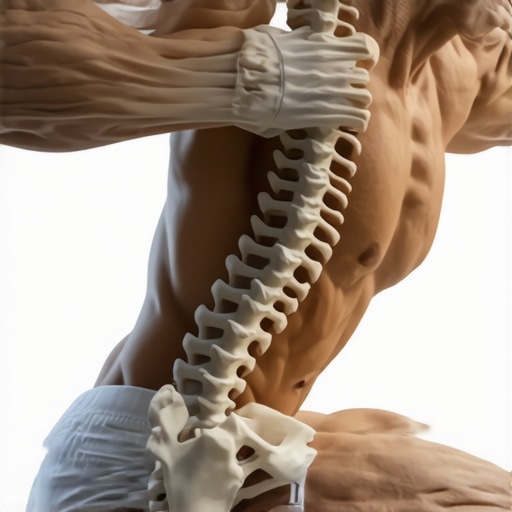
It hit me during a particularly frustrating morning. I was halfway through a simple stretch when I felt that familiar surge of discomfort in my lower back, like a warning signal I could no longer ignore. Despite my years of experience, I had fallen into the trap of believing more stretching or stronger core muscles would fix everything. But often, it was a small, unconscious habit that was making things worse.
Have you ever experienced that sudden flare-up after doing what seemed like a routine move? That helpless feeling, wondering if you’ve pushed your recovery back months? I know the feeling too well. And trust me, I’ve made my share of mistakes early on—like ignoring the importance of proper movement patterns or pushing through pain—which only prolonged my discomfort.
Today, I want to share a critical mistake I see many people making—and how stopping this one move can significantly improve your healing process. But before we get into that, let me ask: have you ever been told to do countless stretches or exercises, only to find your pain intensifies? If so, you’re not alone, and there’s a reason this happens.
Understanding this common pitfall can be the game-changer in your recovery journey. Making adjustments to your movement habits could be all it takes to prevent setbacks and promote real healing.
Why Your Everyday Movements Might Be Sabotaging Your Disc Recovery
Align Your Daily Movements
Start by observing how you move during simple tasks, like reaching for objects or standing up from your chair. Use a mirror or record yourself to identify poor habits. To correct this, practice engaging your core muscles before bending or lifting, much like tightening a belt to stabilize your midsection. I once caught myself slouching while tying my shoes and consciously corrected my posture; over time, this reduced my lower back discomfort. Consistently mindful movement reduces unnecessary strain on your discs and joints.
Incorporate Mobility Exercises
Focus on targeted mobility work that enhances your spinal and hip flexibility. For example, gentle hip circles and spinal twists can loosen tight areas that contribute to uneven pressure on your discs. Picture your spine like a flexible garden hose—without proper movement, it stiffens, causing problems. Every day, dedicate five minutes to simple exercises like the cat-cow stretch, which I added during my commute, and noticed immediate relief in my lower back tension. These routines counteract the sedentary habits that often lead to disc issues.
Use Effective Stretching Routines
Stretching is beneficial only when done correctly. Avoid overstretching or pushing into pain, which can aggravate your condition. Instead, aim for gentle, sustained stretches such as the child’s pose or pelvic tilts, which encourage blood flow and reduce stiffness. During a rough patch, I incorporated a daily hip flexor stretch and found my lower back soreness diminished significantly. Think of your muscles like rubber bands—you want them to be elastic, not torn or overly tight.
Optimize Your Posture Habits
Adjust your workspace ergonomics to support proper alignment. Set your chair height so that your feet rest flat, knees are at a 90-degree angle, and your monitor is eye level. Imagine your spine as a stack of blocks—each needs to be aligned to prevent stress buildup. I once used a stack of books to elevate my laptop and momentarily felt a reduction in neck and back strain. Small tweaks like these prevent the muscular imbalances that pull discs out of their ideal position.
Practice Active Sitting and Standing
Instead of passively slumping, engage supporting muscles when sitting or standing. Periodically shift your weight, stand up every 30 minutes, and incorporate light walking. This active approach prevents joints from stiffening and promotes blood flow. When I started setting a timer to remind me to stand, I noticed my discomfort decreased, and my posture improved noticeably. Think of your spine like a cable that stays healthy when moved regularly, not left static for hours.
Seek Expert Guidance for Lasting Change
Consult professionals who specialize in mobility and posture correction. Techniques like chiropractic adjustments can realign your spine and teach you proper movement patterns. For example, after a few sessions focusing on spinal alignment, I experienced a marked improvement in my lower back pain. Regular visits coupled with tailored exercises accelerate recovery and instill sustainable habits. Discover more about how chiropractic adjustments improve mobility and posture.
 Many people believe that simply stretching or cracking their joints automatically leads to better mobility and posture, but there are nuanced pitfalls that often go unnoticed. One widespread misconception is that all chiropractic adjustments provide long-term solutions without addressing underlying movement patterns. While adjustments can temporarily relieve joint stiffness, relying solely on them often ignores the importance of integrated mobility exercises and habitual movements that sustain spinal health. For instance, an overemphasis on cracking your neck without strengthening surrounding muscles may create a cycle of dependency and short-term relief, as explained by experts in [mobility and posture](https://quackersneck.com/the-ultimate-guide-to-improving-mobility-and-posture-in-2025). Moreover, many think that posture correction is about static positioning—standing tall all the time—but real progress hinges on dynamic mobility, ensuring your tissues move freely during daily activities. A critical mistake I see is focusing exclusively on Maintaining optimal posture and mobility over time requires the right tools and a strategic approach. One of my favorites is a foam roller, specifically the TriggerPoint GRID Foam Roller. I personally use it daily to release tight fascia and improve my tissue health. Its textured surface allows for targeted massage, which helps reduce knots and promote circulation, essential for sustaining mobility gains. Using a foam roller regularly can prevent muscle imbalances from creeping back and is a cost-effective way to support your recovery journey.
Another indispensable tool in my kit is a resistance band set. These versatile bands enable me to perform corrective exercises that strengthen supporting muscles, especially around the shoulders and hips. I incorporate them into my routine to reinforce proper movement patterns, which is crucial for long-term results. The portability means I can maintain my mobility routine anywhere—be it at home, in the office, or traveling.
When it comes to software, I rely heavily on mobility tracking apps like ROMWOD. It offers guided stretching routines tailored to individual needs and tracks progress over time. This digital support keeps me accountable and ensures that I don’t overlook critical mobility exercises, especially during busy periods.
Looking ahead, I predict that the integration of AI-powered biomechanical analysis tools will become mainstream. These technologies will personalize mobility routines even further, identifying subtle compensations and prescribing specific exercises to address them. Imagine having a virtual coach that adapts your program in real-time based on your body’s responses—this could revolutionize how we maintain posture and prevent setbacks.
How do I keep my progress sustainable without falling into old habits?
To sustain your improvements, it’s vital to incorporate maintenance routines into your daily life. For example, dedicating five minutes each morning to mobility drills or self-myofascial release with your foam roller can make a significant difference. Also, periodically revisiting your ergonomics—like adjusting your desk setup or chair—ensures your environment supports your ongoing health. Regular check-ins with a knowledgeable chiropractor or physical therapist can catch early signs of regression and help you stay on track. Remember, lasting change isn’t a one-time fix but a consistent practice that adapts with your body’s evolving needs. To explore effective techniques for integrating these tools into your routine, visit our cornerstone content on mobility and posture improvement strategies. Keep experimenting with your tools, stay attentive to your body’s signals, and don’t hesitate to reach out via our contact page for personalized advice.
What I Wish I Had Known About Moving Better
One of the most eye-opening lessons I learned was that not all pains stem from tight muscles or misaligned bones—sometimes, the secret lies in *how* I move daily. I used to think that stretching endlessly would fix all my issues, but I discovered that poor movement habits during routine tasks—like reaching or bending—could silently sabotage my progress. Realizing this shifted my approach from purely stretching to a mindful, movement-focused routine, which accelerated my healing and kept setbacks at bay.
Another profound insight was understanding the importance of consistency over quick fixes. Short-term relief from adjustments or stretches is useful, but integrating habits like active sitting or habitual posture corrections creates sustainable change. For me, incorporating small daily routines, such as hip mobility exercises or mindful postural checks, transformed how my back felt weeks down the line.
Lastly, I learned that tools and professional guidance are invaluable, but they only work if embedded into a daily life that prioritizes movement. Using foam rollers and resistance bands became my allies, yet their true power emerged only when combined with awareness and regular practice. This holistic approach—melding professional strategies with personal habits—was the tipping point in my journey toward better mobility.
Tools and Tips That’s Changed My Journey
Books like “The Ultimate Guide to Improving Mobility and Posture” offered me structured insights and exercises that made a tangible difference. I trust these because they are backed by science and real-world success stories.
My essential toolkit now includes the Resilience Foam Roller, which helps release fascia tightness, and resistance bands for strengthening supporting muscles. These tools have become part of my daily routine, ensuring I stay aligned and mobile, even during hectic days.
For ongoing guidance, I use mobility tracking apps that keep me accountable and tailor routines suited to my body’s evolving needs. These resources empower me to take charge of my health and make informed decisions every day.
Keep Moving Forward—Your Future Starts Today
Remember, transforming your posture and mobility isn’t about overnight perfection—it’s about consistent progress and caring for your body thoughtfully. Small, mindful actions now can prevent future pain and unlock lasting radiance in how you move through life. I encourage you to explore the strategies and tools shared here and adapt them into your routine. The journey to a healthier, more mobile you begins today—are you ready to take that first step?
What’s one movement habit you’re excited to change right now? Share your thoughts below and let’s support each other on this path to better mobility.
,