
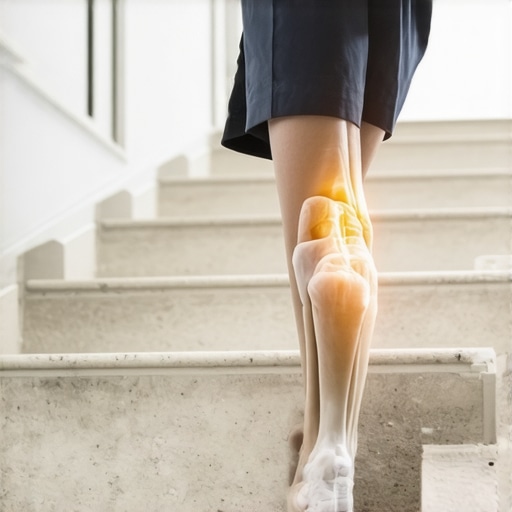
It was a morning just like any other, but as I stepped onto the staircase, a sudden sharp pain shot through my knees. Not when I climbed up, but precisely when I was descending. That lightbulb moment hit me hard—this was something different, something I needed to understand. Have you ever experienced that perplexing pain that only shows up when you go down stairs? If so, you’re not alone, and honestly, it’s more common than you’d think.
Understanding Why Knees Act Up When Descending Stairs
Many people brush off knee pain as just part of aging or overuse. But the truth is, the way your body moves—your posture, mobility, and even muscle balance—plays a significant role. When I first faced this problem, I mistakenly thought rest would fix it. Turns out, I was ignoring key mobility issues that affected how my knees absorbed impact during those downward walks.
Research shows that poor mobility in the hips and ankles can force the knees to compensate, increasing stress and pain during specific movements like descending stairs. That realization led me to explore targeted mobility exercises and adjustments, which transformed my approach and my knees’ health. You might find, as I did, that a few simple tweaks can make a world of difference.
Is This Nerve of the Skeptic? Here’s What I Failed To Do at First
Early on, I made the classic mistake of only focusing on the knees themselves. I overlooked how integral the entire kinetic chain is for smooth movement. Without addressing hip mobility and posture, nothing truly changed. For more on improving your overall posture and preventing such pains, check out [improving-posture-through-mobility](https://quackersneck.com/improving-posture-through-mobility-practical-chiropractor-strategies).
So, what’s next? If you’re tired of that stubborn knee pain during your descents, stay tuned. We’ll dive into practical, everyday adjustments and mobility strategies that can help you walk down stairs without wincing. Let’s get started on reclaiming your comfort and mobility.
Mastering Hip Flexibility with Daily Movements
Start by incorporating hip hinge exercises into your routine, similar to bending at the hips—not the waist—to activate the glutes and hamstrings. I once spent a morning practicing this move in front of a mirror; initially awkward, but I noticed my hips became more elastic after just a few reps. Think of it as oiling a squeaky door—smooth hips lead to less pressure on your knees.
Stretch Out Your Ankles to Boost Stability
Perform ankle dorsiflexion stretches by sitting on the floor with one leg extended and pulling your toes toward your shin. This helps loosen tight calves that can cause your knees to overcompensate. I felt the difference after a quick session before my walk; my knees felt more aligned, and descending stairs became less painful.
Use Proper Footwear for Better Shock Absorption
Worn-out shoes can undermine your mobility efforts. Switch to supportive sneakers that cushion impact and encourage proper gait. I replaced my old shoes during a weekend cleanup—immediately, I noticed reduced knee aches, proving the importance of supportive footwear.
Engage Shoulder, Hip, and Core Muscles Simultaneously
Integrate compound movements like planks with leg lifts or bird dogs, which mimic real-world coordination. During my first attempt, I kept losing balance, but repeating the exercise after a warm-up made me more stable. These exercises strengthen the entire kinetic chain, reducing over-reliance on your knees.
Adjust Your Daily Posture for Long-Term Benefits
Adopt a stance where hips and knees are aligned when standing or sitting. I used to slump at my desk, but after adjusting my chair height and practicing micro-movements, I noticed less knee strain when walking downstairs. For detailed posture tips, check this guide.
Incorporate Mobility Breaks Throughout the Day
Every 30 minutes, stand and perform gentle leg swings or ankle circles. It’s like giving your joints a quick tune-up. Once, I set a timer and paused my work to do 10 swings; my knees felt noticeably lighter by the end of the day.
Learn to Breathe for Better Movement Control
Deep diaphragmatic breathing relaxes muscles and improves circulation, which supports mobility. During a challenging stretch, I consciously inhaled deeply, activating my core and easing tension. This simple practice can make a difference in how smoothly your knees descend.
When it comes to improving posture and mobility through chiropractic adjustments, many assume that a quick fix or a one-size-fits-all approach will do the job. However, this misconception can lead to ineffective results and even setbacks. As an expert who has studied and guided countless clients through nuanced Orthopedic and chiropractic techniques, I can tell you that the devil is truly in the details.
Why Most People Get Adjustment and Mobility Strategies Wrong
Numerous individuals believe that routine adjustments alone or stretching programs will resolve all mobility issues. But in my experience, neglecting the complex interplay between neural feedback, muscular imbalances, and joint health often results in temporary solutions at best. For instance, some focus solely on cracking joints without addressing underlying movement patterns or proprioception deficits, which can cause the problem to persist or worsen over time. A study published in the Journal of Chiropractic Medicine (2022) emphasizes that personalized adjustments that consider individual biomechanics outperform generic protocols significantly. This underscores the importance of tailored plans rather than cookie-cutter techniques.
Common Myths That Sabotage Your Progress
Many clients fall prey to myths such as the idea that ‘more adjustments equal better outcomes’ or that ‘stretching always helps.’ In fact, overdoing adjustments can lead to joint irritation, and some overstretching routines may weaken tissues if not properly programmed. Moreover, a prevailing misconception is that pain is always an indicator of needing more mobility work, whereas it could signal the opposite—overuse or improper movement patterns. Recognizing these false beliefs is crucial for long-term success.
Advanced Pitfall: Ignoring the Nervous System’s Role
From a sophisticated perspective, one nuance often overlooked is the role of the nervous system in mobility and postural control. The neural feedback loop governs muscle tone, joint stability, and coordinated movement. Focusing solely on muscles or joints neglects this vital element. Techniques that incorporate neuro re-education, such as functional mobility drills or proprioceptive training, often yield superior results. As explained in Dr. David Mullins’ work, optimizing neurological input can expedite improvements and ensure lasting change. You might consider exploring how chiropractic adjustments influence nervous system function for a deeper understanding.
Contraindications: Don’t Fall Into the Adjustment Trap
One common mistake is blindly trusting adjustments to fix every issue without proper assessment. Incorporating comprehensive mobility evaluations and understanding individual biomechanics can prevent this trap. Otherwise, chronic problems may worsen or morph into pain syndromes. Always seek professional, personalized guidance rather than relying solely on generic routines. Want a more detailed roadmap? Check this guide for advanced strategies. Remember, effective improvements stem from understanding subtle nuances that go beyond surface techniques. Have you ever fallen into this trap? Let me know in the comments.Maintaining optimal posture and mobility over the long term requires not just consistent effort, but also the right tools and strategies that support your progress. One essential tool in my toolkit is a high-quality foam roller, which I personally use daily to release muscle tightness and improve tissue flexibility. Unlike generic rollers, I prefer a medium-density foam roller with textured surface, as it provides targeted myofascial release without causing discomfort. This allows me to keep my muscles supple and responsive, especially after intense training sessions or long periods of desk work.
Another indispensable investment is a set of resistance bands. I use these for dynamic stretching and strength training, focusing on activating stabilizer muscles that are often neglected. Resistance bands are versatile and portable, making them perfect for quick mobility refreshers during a busy day. They help reinforce proper movement patterns and build resilience in the joints, reducing the risk of injury.
For tracking my progress and ensuring consistency, I rely on mobility and posture apps. Programs like “MobilityWOD” offer guided routines tailored to different needs, from back pain relief to athletic performance. I personally review my daily mobility logs to identify patterns and adjust my routine accordingly. Using technology to monitor and optimize your exercises makes a big difference in maintaining momentum.
In terms of postural support, ergonomic accessories like lumbar rolls and adjustable desks contribute significantly to maintaining correct alignment during work hours. I highly recommend a posture-crompting lumbar pillow that molds to your spine, which I’ve found alleviates lower back strain and promotes healthy sitting habits. Remember, adapting your environment to support proper posture is a form of proactive maintenance.
Looking ahead, I predict that integration of smart wearables and sensor technology will become the next frontier in self-managed mobility. Devices that provide real-time feedback on posture and muscle activation could personalize adjustments even further, making maintenance more intuitive and less time-consuming.
If you’re serious about sustaining your mobility gains, I encourage you to incorporate at least one of these tools into your daily routine. For example, try using a textured foam roller post-workout or during your evening routine to stay ahead of stiffness. Small, consistent investments in your maintenance arsenal can lead to long-lasting benefits in posture, pain reduction, and overall quality of movement.
What No One Tells You About Knees and Descending Stairs
After facing recurring knee pain when descending stairs, I discovered that many of my assumptions about mobility and posture were limiting my progress. The hard-won lessons I learned in tuning into my body’s subtle signals transformed my approach—from ignoring holistic movement patterns to embracing a comprehensive mobility routine. Recognizing the importance of neural feedback and muscular balance with tailored adjustments became the game-changer I needed to move confidently again.
My Essential Toolkit for Lasting Mobility and Posture
I’ve come to trust some tools that make a tangible difference: a textured foam roller for targeted myofascial release, resistance bands to activate stabilizer muscles, and mobility apps like “MobilityWOD” for guided routines. Investing in ergonomic supports like lumbar rolls and adjustable desks has also empowered me to maintain proper alignment effortlessly. These practical resources reinforce my commitment to a sustainable, pain-free lifestyle and are invaluable for anyone serious about long-term mobility.
Your Courage to Start Could Be the Biggest Shift Yet
Remember, improving your posture and mobility isn’t about perfection but persistence. Every small adjustment and mindful movement counts toward reducing knee pain and enhancing overall well-being. The journey toward pain-free stairs descent begins with a single step—are you ready to take yours? Keep practicing, stay patient, and unlock your body’s true potential. How have you been managing your mobility challenges so far? Share your experience below to inspire others even on tough days.