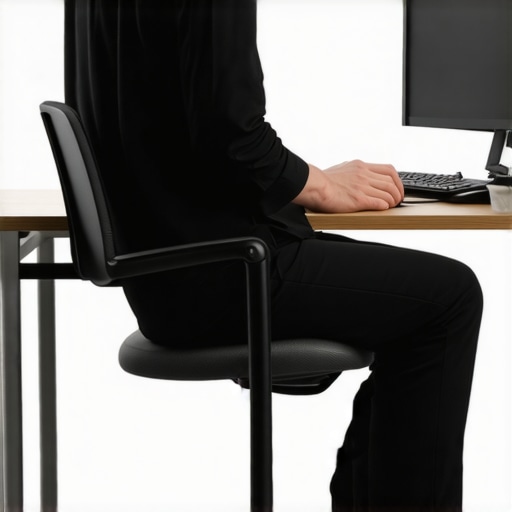
It hit me like a ton of bricks one morning—my hips felt tighter than ever, and I couldn’t shake the dull ache that had crept in after months of endless sitting at my desk. I realized I’d fallen into the same trap so many others have, thanks to this new hybrid work setup. You know what I mean: settling into that ergonomic chair with all the good intentions, only to find your hips stiffening up, limits sneaking in where you least expect them.
Why Sitting Too Much is Slowly Wrecking Your Hip Health
As we embrace the remote work lifestyle more than ever, it’s easy to forget how much time we spend seated. The truth is, prolonged sitting—especially without proper mobility routines—can subtly damage your hips, leading to pain, reduced flexibility, and even long-term mobility issues.
Back in 2024, studies showed that sitting for more than 8 hours a day can significantly increase the risk of joint deterioration and lower back pain (source: hidden causes of back pain). And if you’re like me, working in a hybrid setup often means even more time glued to that chair, especially on those ‘home-office’ days where movement was last on my mind. What I didn’t realize at first was how this constant static posture was quietly tightening my hip joints, making every step feel like a chore.
Initially, I chalked it up to aging or bad luck, but then I made a critical mistake—ignoring the signs. Early on, I should have prioritized mobility and posture adjustments. Instead, I kept stretching my hips back into their usual routine, thinking they needed more flexibility when what they really needed was targeted spinal and joint care. But hey, I’ve been there. And I want you to learn from my mistake.
Have You Felt This Tightness and Discomfort Lately?
Does this sound familiar? That stubborn hip tightness or the occasional sharp twinge after a long workday? If so, you’re not alone. Many remote workers face these issues, often without realizing how preventable they are. The good news is, with simple, consistent adjustments, you can reverse this trend—and get back to moving comfortably again. Curious about how? We’ll dive into practical solutions, backed by expert insights, in the next section.
Incorporate Dynamic Movement Throughout Your Day
Start by setting a timer to remind yourself to stand up and move every 30 to 45 minutes. When you do, perform a quick series of leg swings, hip circles, or gentle lunges. Think of this as oiling a squeaky door; your hips need lubrication from regular movement. I recall during my own busy workday, I’d pause every hour for a quick set of hip openers, which noticeably eased my morning stiffness and improved flexibility over time. For more ideas, check out mobility boosts for posture.
Practice Targeted Hip Mobility Exercises
Focus on specific drills that target the hip capsule and surrounding muscles. For instance, the hip flexor stretch or the butterfly stretch can break up tightness. To do this effectively, lie on your back and gently bring your knees toward your chest, then open them wide in a butterfly position, holding the stretch. I added these to my routine after experiencing persistent tightness and noticed immediate relief. Remember, consistency is key—perform these stretches daily. For detailed guidance, visit mobility exercises for posture.
Optimize Your Sitting and Posture Habits
Your chair’s ergonomics play a role, but so does how you sit. Imagine your hips as a hinge that needs proper alignment; slouching or sitting asymmetrically can jam this hinge, leading to stiffness. Adjust your chair height so your feet are flat on the ground, and keep your knees at or slightly below hip level. Incorporate a lumbar roll or cushion if needed. While working, periodically straighten your spine, roll your shoulders back, and attach reminders to check your posture. I found this simple habit prevented my hips from becoming too tight. For advanced tips, see posture and mobility tips.
Engage in Spinal and Hip Alignment Adjustments
Consider professional chiropractic care, which can realign joints and restore proper mobility. Think of your spine and hips as a well-tuned instrument—if one string is out of tune, the sound suffers. During my session, the chiropractor used gentle, precise adjustments that instantly relieved pressure from my hips. Regular check-ins can prevent small misalignments from causing long-term stiffness. When choosing an adjustment, seek expert guidance; you can start by exploring chiropractic adjustments for mobility.
Combine Strengthening with Mobility Work
Building strength around your hips stabilizes the joint, reducing strain and preventing stiffness. Exercises like bridges and clamshells strengthen key muscles, but remember: mobility and strength work best when paired. Think of your hips as a suspension bridge; the more resilient the cables, the smoother the ride. Incorporate these exercises 3-4 times a week, gradually increasing intensity. For detailed routines, visit core mobility and strength routines.
Maintain Consistency and Monitor Progress
Keep a simple journal or calendar, noting what mobility exercises you performed and how your hips feel. Over weeks, you’ll notice patterns: some days better, some stiffer, revealing what routines work best for you. Regularly revisit your habits; small, consistent actions outweigh sporadic effort. I found that a 10-minute daily mobility routine made a significant difference in my overall comfort. Want to dive deeper? Explore expert mobility tips for ongoing success.Many assume that chiropractic adjustments and mobility exercises are quick fixes that provide immediate relief, but the reality is far more nuanced. A common misconception is that adjustments alone can permanently correct posture issues—however, without addressing underlying habits and movement patterns, gains can be fleeting. For instance, some believe that cracking your neck or back will realign your entire spine, but studies, like the one published in the Journal of Manipulative and Physiological Therapeutics, emphasize that sustained postural improvement requires consistent, targeted mobility work alongside adjustments (expert guidance). An overlooked nuance is the body’s tendency to revert to ingrained habits; a chiropractic session might temporarily release tension, yet if you continue slouching or neglect mobility exercises, the misalignments will reemerge.
Why do some adjustments fail to produce lasting results?
It’s often because patients underestimate the importance of neuromuscular re-education—training your muscles to maintain proper alignment after a session. Relying solely on adjustments without implementing daily mobility routines or correcting ergonomic habits is a trap that undermines progress. Think of adjustments as tuning your instrument; they produce a harmonious sound only if you continue practicing the right techniques regularly. Incorporate mobility drills like those discussed in mobility exercises for posture and ensure your daily habits support these corrections. Remember, sustainable change stems from consistency—one adjustment may feel good, but without ongoing effort, issues tend to recur. Have you ever fallen into this trap? Let me know in the comments. Staying informed and proactive transforms short-term relief into long-lasting health benefits.
Maintaining Your Progress with the Right Tools
Staying consistent with mobility and posture routines can be challenging amidst busy schedules. That’s where the right equipment and digital tools come into play, making everyday maintenance easier and more effective. I personally rely on a combination of targeted tools and apps that I find indispensable for long-term results.
One game-changer for me is the use of foam rollers, specifically the dense, high-quality ones fromTriggerPoint. They help me release trigger points and fascia restrictions that even conscious stretching can miss. Regular self-myofascial release sessions on areas like the hips and lower back have significantly reduced stiffness over time. Additionally, I use a 3-in-1 mobility stick, which is lightweight yet durable, allowing me to perform dynamic warm-ups, joint rotations, and release exercises immediately before or after work sessions.
On the digital side, I swear by mobility-focused apps such as MobilityWOD, which guides me through personalized routines based on my daily sensations and goals. These apps also help track progress and remind me to stay on top of mobility habits, reducing the risk of relapse into bad patterns. Incorporating these tools into my daily routine has not only maintained but improved my flexibility and posture stability. Discover more about mobility solutions here.
Furthermore, investing in ergonomic accessories like adjustable standing desks and sit-stand converters from brands like Flexispot has allowed me to vary my working position effortlessly. These tools work in harmony with my mobility routines, preventing the static postures that cause tightness in the hips and back. For anyone serious about long-term health, combining DIY tools with professional guidance ensures sustainable progress and minimizes setbacks.
How do I maintain mobility and posture improvements over time?
The key is integrating these tools into a consistent, adaptable routine. Regularly assess your needs, update your equipment, and stay informed about emerging techniques. For example, I plan to incorporate functional movement screenings and periodic chiropractic check-ins, as recommended in expert guides. These habits keep my progress on track and help identify issues before they become chronic.
Looking ahead, I believe wearable technology will play an increasingly significant role in maintaining mobility. Devices capable of providing real-time posture feedback and gentle reminders could revolutionize how we develop habits. For now, start by trying one advanced tip: use a mobility stick daily for five minutes to target stubborn hip tightness. This simple addition can make a noticeable difference and keeps your signal strong for lasting results.
3 Surprising Truths I Discovered About Lasting Posture Changes
One of the biggest lessons I wish I had known early on was that quick fixes don’t create sustainable results. I once believed that a single chiropractic session or a handful of stretches would repair my hips forever. Turns out, true progress requires consistent effort and a mindset shift—you have to treat posture and mobility as ongoing practices, not one-off solutions.
Another insight was that habits matter more than quick exercises. I realized that my daily sitting posture and ergonomic setups played a decisive role in my hip health. Fixing my environment and integrating movement into my routine made a more profound difference than any static stretch ever could. Small, mindful adjustments—like periodically standing or doing hip openers—compound over time.
Finally, I learned that understanding your body’s unique needs accelerates progress. Not everyone benefits from the same mobility drills or adjustments. Personalized routines, guided by experts or based on self-awareness, help target stubborn tightness more effectively. Learning to listen to my body and adapt my habits accordingly transformed my journey from frustration to lasting change.
Tools That Became My Customized Mobility Arsenal
My first go-to tool was a high-quality foam roller from TriggerPoint. It helped me release fascia restrictions, especially around the hips and lower back, complementing my stretches perfectly. Pairing it with a versatile mobility stick allowed me to perform dynamic warm-ups and aid in joint release—these tools made daily maintenance practical and effective.
For guided routines, I rely on an app like MobilityWOD, which offers customized mobility drills based on daily discomfort and goals. The reminders and progress tracking kept me accountable and motivated. Additionally, investing in ergonomic gear—such as an adjustable standing desk—enabled me to vary my working positions naturally, reducing static sitting and preventing future stiffness. These resources collectively form a tailored approach that consistently supports my hip health.
To deepen my understanding of posture and mobility, I turned to expert-recommended literature, like mobility solutions guides. They provided insights that complement practical tools, helping me craft routines that are sustainable and adaptable over time.
Be the Architect of Your Own Mobility Journey
Remember, the key to long-term posture and mobility improvements lies in your willingness to experiment, adapt, and stay consistent. Small daily actions—like a quick hip stretch during a break or adjusting your workspace—compound into meaningful change. I challenge you to take charge today—try a mobility drill, reassess your sitting habits, or explore new tools. Your hips—and your overall well-being—will thank you for it.
Have you ever struggled to find routines that really stick? Share your experience below and let’s support each other’s journey toward better mobility and posture!