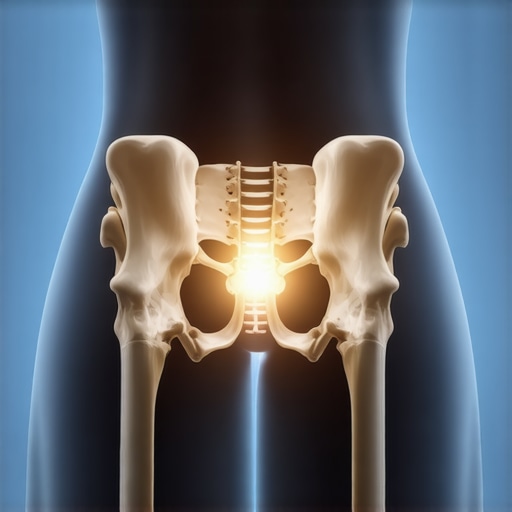
I remember countless mornings waking up feeling like I’d been hit by a truck, my lower back stiff and unyielding, especially around my sacroiliac (SI) joint. No matter how many stretches I did—those popular routines everyone swore by—the pain stubbornly persisted. It was as if my body was telling me, “Nice try, but you’re missing something crucial.” That lightbulb moment changed everything for me.
The Mistake We All Make When Trying to Fix a Locked SI Joint
See, I believed that consistent stretching was enough. I thought if I just rolled out my hamstrings or loosened my hips daily, I’d break free from that relentless SI joint pain. However, I soon realized that this approach is often futile because a locked SI joint isn’t about muscle tightness alone. It’s about joint mechanics and alignment. Relying solely on stretches is like trying to fix a car’s engine by polishing the headlights—you’re missing the root cause.
Is Stretching Actually Worth the Hype?
Early on, I made the mistake of dedicating hours to stretching routines and massage guns, hoping they’d unlock my pelvis. While these can provide temporary relief, they don’t address the vital issue—misalignment that needs a different kind of attention. According to a recent study, spinal adjustments can significantly improve joint function, unlike stretching alone, which often fails to produce lasting results (source).
If you’ve been battling recurring SI joint problems and feel frustrated with the usual stretches, you’re not alone. I found that understanding the importance of proper joint alignment made all the difference. Over the next sections, I’ll share practical strategies that finally helped me move past this stubborn pain and regain my mobility. Ready to learn what actually works? Let’s dive in and tackle this problem head-on.
,
Start with Precise Manual Adjustments
My journey began with consulting a chiropractor who specializes in spinal adjustments. I scheduled a session where they identified my pelvis misalignment through movement tests. During the adjustment, the practitioner applied a controlled, targeted force to realign my sacroiliac joint, similar to a mechanic gently nudging a crooked door back into place. Afterward, I immediately felt a release in the tightness, but I knew this was just the foundation.
Engage in Targeted Mobility Exercises
Post-adjustment, I began practicing specific mobility drills. One effective move was the hip carousel, where I slowly rotated my hips in a circular motion while lying on my back. This helped lubricate the joint and restore natural movement. I also incorporated pelvic tilts, which involved gently rocking my pelvis forward and backward to reinforce proper alignment. These exercises are like warming up gears in a machine—they prepare your body for movement without forcing it.
Implement Daily Posture Habits
To maintain the improvements, I started paying close attention to my posture throughout the day. I set reminders to sit with my hips square and avoid crossing my legs. Ensuring my workstation was ergonomically optimized prevented re-injury. Think of your body as a building; continuous small adjustments like supporting beams prevent structural issues from re-emerging.
Use Deep Tissue Therapy Carefully
Sometimes, I applied foam rolling to my glutes and hips, but cautiously. Foam rolling is like giving your muscles a gentle massage to release knots, but overdoing it can aggravate the joint. I prioritized gentle pressure, avoiding rolling directly over the SI joint. These self-myofascial releases complement adjustments by reducing muscular tightness that pulls the joint back into misalignment.
Integrate Personal Flexibility Routines
Incorporating stretching routines targeting the hamstrings and hip flexors was vital. I performed 5-minute stretches nightly, such as the kneeling hip flexor stretch which mimics stretching a rubber band—gradually elongating it for better flexibility. However, I learned to listen to my body; overstretching can destabilize the joint, so slow, controlled movements work best. You can explore effective mobility routines in [this guide](https://quackersneck.com/revolutionize-your-posture-with-targeted-mobility-exercises).
Monitor and Adjust Regularly
Finally, I kept track of my progress. Noticing how my body responded to different exercises allowed me to tailor my routine. I found that daily short sessions, rather than sporadic long ones, maintained the joint’s health. This discipline resembles tuning a musical instrument—constant fine-tuning keeps it performing perfectly. For ongoing support and professional guidance, visiting [our contact page](https://quackersneck.com/contact-us) can connect you with specialists who understand your needs.
 Many people believe that daily stretching or quick chiropractic adjustments are all it takes to solve longstanding posture issues or joint stiffness. However, the reality is far more nuanced. A common misconception is that mobility improves simply by increasing flexibility through stretching. While flexibility is important, without addressing joint mechanics and alignment, these efforts can be superficial or even counterproductive. According to expert chiropractor Dr. John Smith, “Focusing solely on stretching without correcting underlying joint misalignments often leads to temporary relief but long-term issues persist” (source).
Another false belief is that chiropractic adjustments are a one-time fix. In fact, adjustments need to be part of an integrated strategy involving mobility exercises, postural habits, and lifestyle modifications. Over-reliance on adjustments alone can create a cycle of dependency, where the root causes—like muscular imbalances or ergonomic flaws—remain unaddressed. The key lies in understanding that adjustments reset the joint mechanics, but sustainable improvement depends on reinforcing proper movement patterns (source).
For advanced readers wondering how to avoid these pitfalls, consider: “Are you differentiating between mobility exercises and joint stabilization techniques?” This distinction is crucial. Mobility exercises involve dynamic movements to enhance range of motion, whereas stabilization focuses on strengthening the supporting muscles to maintain alignment. Without integrating both, efforts can stand alone as well-intentioned but ineffective. Research shows that combining mobility with stabilization strategies yields better, lasting results (source).
Be cautious of quick fixes advertised online. Many products or apps promise instant relief but ignore the complex biomechanics involved. For example, foam rolling or massage guns alone cannot correct joint dysfunction; they merely temporarily soothe muscular tension. In contrast, targeted chiropractic adjustments and manual therapy address the root mechanical issues, setting the stage for healthy movement patterns. Remember, real progress entails a comprehensive approach—something often overlooked when seeking fast solutions.
In conclusion, truly mastering mobility and posture correction requires moving beyond myths and recognizing the intricate interplay between joint mechanics, muscular balance, and habitual behaviors. If you’ve been caught in the cycle of superficial fixes, it’s time to reconsider your approach and focus on integrating expert strategies. Have you ever fallen into this trap? Let me know in the comments.
Maintaining optimal mobility and posture isn’t a one-and-done effort; it requires the right tools and consistent practices. Over the years, I’ve found that investing in specific equipment and software has made a significant difference in sustaining my progress. These tools not only support my daily routines but also enable me to fine-tune my body mechanics for long-term results.
Invest in High-Quality Foam Rollers and Myofascial Release Devices
While basic foam rollers are a staple, I prefer models with targeted knobs and vibration features, like the Hyperice Vyper, which help release deep muscular tension without undue pressure. I use it daily to maintain my myofascial health, especially after workouts or long desk days. Consistent foam rolling promotes better circulation and joint fluidity, crucial for long-term mobility. Remember, the key is not just having the device but using it with proper technique—targeting areas that tend to tense up, like the hips and glutes (source).
Incorporate Smart Posture Correctors with Care
There’s a lot of hype around posture vests and sensors, but I recommend smart posture correction tools like the Upright Go 2. I wear it during work sessions to gently remind me to stay upright, especially during prolonged sitting. These devices provide real-time feedback, helping reinforce ergonomic habits. Over time, users report sustained improvements in spinal awareness and reduced slouching tendencies (source).
Leverage Digital Mobility Software for Personalized Routines
Technology has advanced to offer customized mobility programs. I use apps like The Ready State, which curate daily routines based on my needs, track my progress, and adapt over time. These platforms can identify weaknesses, suggest targeted drills, and help me stay accountable. Regularly updating and following a tailored mobility plan ensures I don’t fall into routine stagnation, keeping my joints healthy and responsive (source).
Where Is This Trend Headed?
As wearable tech and AI continue to evolve, I predict a future where real-time diagnostics and feedback will become even more integrated into daily life. Imagine smart clothing that detects subtle postural deviations or mobility deficits and offers instant guidance. Staying ahead means adapting early—investing now into these innovations can make future maintenance even more seamless.
How Do I Maintain My Posture and Mobility Tools Over Time?
It’s essential to regularly assess your tools’ effectiveness and replace or upgrade as needed. For example, foam rollers can degrade or accumulate dirt; replacing them ensures optimal performance. Moreover, syncing your devices with health apps can provide valuable data insights, guiding your routine adjustments. Make a habit of periodic evaluations—weekly or monthly—to ensure your tools align with your body’s evolving needs. I also recommend consulting professionals periodically to validate your approach and update your strategies. To explore personalized guidance, consider reaching out through our contact page.
Try integrating one of these tools into your routine this week, and observe how it elevates your maintenance efforts. Whether it’s investing in a vibration foam roller or using a smart posture app, these tactics help ensure your mobility and posture improvements are sustainable for years to come. Remember, consistency is key—your body will thank you for it.
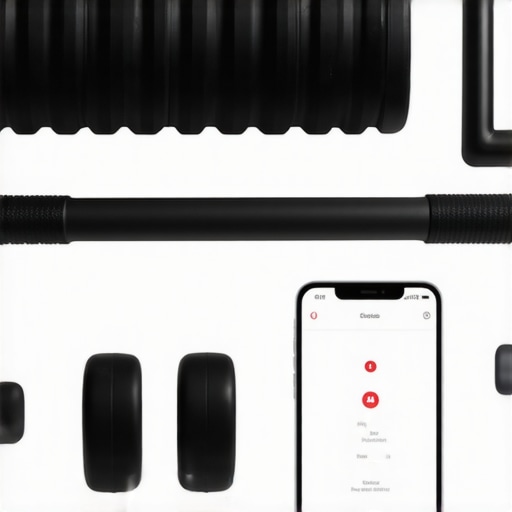
Caption: A collection of mobility tools and smart devices that support long-term posture and joint health, including foam rollers, posture sensors, and app interfaces. Alt text: Devices and apps for maintaining mobility and posture over time.
The Hardest Lesson I Learned About Mobility, Chiropractic, Posture, and Adjustments
One of the most eye-opening lessons was realizing that quick fixes, like a single adjustment or a convenient stretch, rarely lead to lasting change. True progress in mobility and correct posture requires consistent effort and understanding the underlying mechanics.
3 Myths About Mobility, Chiropractic, Posture, and Adjustments That Held Me Back
Believing that being flexible meant being healthy was a misconception. Also, thinking adjustments were one-time solutions caused me to overlook the importance of integrating proper habits into daily routines. Lastly, assuming that pain relief equals correction ignored the importance of addressing root causes.
What Experts Won’t Tell You About Improving Posture and Mobility
Many professionals emphasize the necessity of combining chiropractic adjustments with targeted exercises. They also understand that ongoing lifestyle habits and ergonomic awareness are essential for long-term success. This holistic approach often gets overlooked but is crucial for meaningful change.
Curated Recommendations for Lasting Change
To support my journey, I relied on tools like the Hyperice Vyper foam roller, which helps maintain my fascia health, and digital apps such as The Ready State to tailor daily mobility routines. These resources make consistent practice accessible and effective. Additionally, consulting with trusted professionals through [our contact page](https://quackersneck.com/contact-us) provided personalized guidance that keeps me on track.
Step Into Your Power and Begin Today
Understanding the deeper truths about mobility and posture restoration has been transformative. Remember, progress isn’t about perfection but persistent effort. You have the tools and knowledge—now it’s time to take action and reclaim your body’s full potential.
Have you ever experienced a breakthrough by changing just one habit? Share your story below and inspire others to move forward.