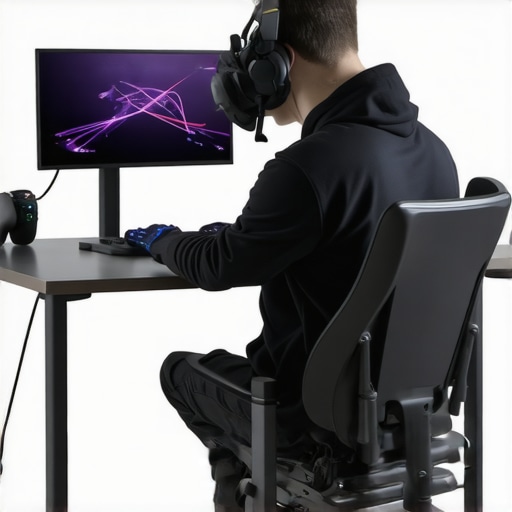
I remember the moment vividly — I was deep into a VR marathon, headset on, controllers in hand, fully immersed in my digital quest. Suddenly, a sharp pang shot through my neck and shoulders. I had been ignoring the creeping hunch, convincing myself it was just fatigue, but that pain was a wake-up call. It made me realize how easily our modern gaming setups can subtly sabotage our posture, leading to long-term discomfort and even injury.
Fast forward to today, I’ve learned some powerful ways to combat this virtual gaming hunch. Today, I want to share with you the five proven posture fixes that help realign your spine and keep you comfortable during those epic gaming sessions. Whether you’re a casual player or a dedicated VR enthusiast, these strategies can prevent that dreaded slouch and keep your body happy.
Why Neglecting Posture in VR Gaming Is a Risky Game
VR gaming is fantastic, but it often encourages us to adopt positions that are less than ideal. Slouching, craning the neck forward, or leaning into the virtual environment might seem minor in the moment, but over time, these habits can lead to chronic neck pain, shoulder stiffness, and even spinal misalignments. Research shows that poor posture can significantly increase the risk of nerve compression and musculoskeletal issues (source).
I made a crucial mistake early on: I thought as long as my eyes were aligned with the screen, my posture was fine. Wrong. Small misalignments snowball into bigger problems. That’s why recognizing these issues and taking targeted action is essential. Today, I’ll guide you through actionable techniques rooted in chiropractic and mobility principles that can *transform* your gaming experience — making it more enjoyable and pain-free.
Is There Really a Quick Fix for VR Hunching?
Like many gamers, I was skeptical at first. Can a few stretches or adjustments really make a difference? I’ve tried countless routines, and I’ve learned that while quick fixes help, addressing posture requires a comprehensive approach—combining mobility, ergonomic setup, and occasional chiropractic adjustments (details here). I also admit I once skipped regular mobility exercises, thinking they weren’t necessary. That was a mistake. Consistency is key, and these proven fixes are designed to be simple enough to incorporate into your gaming routine, yet effective enough to see real change.
Now that we’ve set the stage, let’s dive into practical, step-by-step techniques to keep your posture in check — and your neck pain at bay.
Stack Your Devices Correctly to Avoid Slouching
Start by ensuring your VR headset and controllers are positioned to encourage a natural neck and spine alignment. Use adjustable stands or mounts to keep the device at eye level; this prevents you from craning your neck forward, which I experienced firsthand during a messy but eye-opening setup session. Proper device placement acts like guiding rails for your posture, much like train tracks keep a train on course.
Implement Targeted Mobility Exercises
Incorporate quick mobility drills into your gaming breaks to keep your joints and muscles limber. Movements like shoulder rolls, neck tilts, and spinal twists work like oxygens for your posture, releasing stiffness accumulated during long sessions. I once neglected these for a week, and my shoulders felt like rigid boards; adding just five minutes of mobility exercises daily transformed that stiffness into fluidity (more here).
Adjust Your Chair and Desk for Ergonomic Support
Set your gaming area to promote upright posture with lumbar support and adjustable height desks. Think of your chair as the foundation of a sturdy building; if it’s crooked or unsupportive, your entire structure fatigues. I found a significant relief when I replaced my old chair with one that supported my lower back, preventing me from slouching into a compromised position. Remember, your goal is to maintain a gentle S-shaped curve in your spine—every component of your setup should aid this alignment.
Schedule Regular Adjustments and Self-Checks
Integrate quick posture checks into your gaming routine. Use mirrors or even a camera to observe your stance periodically. When I caught myself slipping into a forward head posture, a simple spinal mobilization routine reset my alignment instantly. Discover how chiropractic interventions can reinforce these habits by exploring chiropractic techniques here.
Utilize Mobility Tools for Realignment
Leverage foam rollers, resistance bands, or massage balls to target tight spots and improve tissue mobility. These tools act as personal physical therapists, helping loosen tight muscles that pull your spine out of alignment. I personally swear by a foam roller after long gaming marathons; it eases tension and prevents the development of bad postural habits. Combining mechanical relief with active mobility ensures your spine remains resilient amidst prolonged gaming sessions.
Many assume that simply stretching or getting a quick chiropractic adjustment will fix longstanding postural issues, but this oversimplification can lead to pitfalls. A common myth is that posture flaws are purely structural — when in reality, neural and muscular factors play a crucial role. For instance, relying solely on adjustments without addressing mobility restrictions or neural engagement can result in temporary relief but long-term setbacks. Chiropractors emphasize that adjustments are most effective when combined with mobility training to restore proper movement patterns (details here), but many practitioners overlook this synergy, leading to repeated visits with minimal progress.
One hidden nuance many miss is that each person’s postural imbalance has unique underlying causes—be it joint stiffness, muscular tightness, or neural adhesions. A one-size-fits-all approach isn’t enough. Advanced practitioners use targeted mobility drills alongside adjustments and neural mobilizations to unlock subtle restrictions that standard treatments might miss. Failing to recognize this can cause practitioners to treat surface symptoms rather than root causes, leading to frustration and prolonged recovery.
Another trap to avoid is the temptation to treat postural faults only with external corrections, like ergonomic setups or postural reminders. While these assist in maintaining posture, without addressing internal restrictions—such as fascial adhesions or nerve tensions—they often provide only short-term benefits. Consider integrating mobility tools, like foam rollers or resistance bands, as part of a comprehensive strategy. For example, combining spinal adjustments with targeted mobility routines creates a powerful feedback loop that refines movement patterns and sustains improvements (more here).
A question often asked by advanced readers is: How do neural pathways influence postural habits, and can mobility training reprogram these pathways? In reality, neural plasticity means that consistent mobility and movement correction can rewire habitual postures over time. This process isn’t just mechanical but neurologically driven—highlighting the importance of cognitive awareness and deliberate practice. Experts like Dr. Todd Hargrove highlight that understanding the nervous system’s role enhances the effectiveness of postural retraining (see more here).
Remember, optimizing posture is a multi-layered process. Do you think you’ve overlooked these nuances in your practice or routine? Drop your thoughts in the comments. Want to dive deeper? Reach out to me for personalized advice and explore how combining adjustments with mobility strategies can optimize your recovery and performance.Maintaining good posture isn’t a one-time fix; it’s an ongoing process that requires the right tools, a disciplined routine, and an understanding of your body’s evolving needs. Personally, I’ve found that investing in high-quality mobility tools not only enhances my daily practice but also ensures long-term results. One tool I swear by is a dense foam roller, which I use daily to release tight fascia and prevent muscular imbalances that can lead to misalignments. The texture and firmness of my foam roller allow me to target deep tissue knots, acting like a personal masseuse that helps me stay relaxed and aligned regardless of how many hours I spend at my desk or gaming stations.
Through my journey of combating gaming-related postural issues, I’ve uncovered some less obvious lessons that have truly transformed my approach to maintaining spinal health amidst modern tech use. First, I realized that relying solely on ergonomic setups isn’t enough—internal mobility work and neural reprogramming are equally critical.
Second, I learned that small, consistent adjustments—like daily mobility drills—compound over time, preventing chronic misalignments that develop from neglect.
Third, I discovered that mindset shifts about posture, from viewing it as a static correction to an active process, empower me to stay proactive and adaptable in my routines.
Lastly, I understood that integrating chiropractic care with mobility training creates a synergistic effect that truly sustains long-term spinal health, especially for dedicated VR gamers.
My Secret Arsenal for Lasting Posture Gains
Over the years, I’ve curated a set of tools that have become indispensable for posture excellence. Chiropractic adjustments give me immediate relief and reset my alignment, but pairing that with targeted mobility tools amplifies the benefits. I trust a high-quality foam roller (more here) for releasing fascia tightness, while resistance bands help me reinforce proper movement patterns. Additionally, reading insightful books like “The Body Has Its Reasons” by Peter A. Levine has deepened my understanding of how neural factors influence posture, inspiring a holistic approach. These resources continuously reinforce my commitment to a resilient, pain-free spine, especially during extended VR sessions.
Own Your Posture Journey and Thrive
Every step forward in understanding and improving posture brings me closer to a pain-free, dynamic life. If you’re ready to take control, remember that consistent mobility, ergonomic awareness, and professional support are your best allies. Embrace the process, stay curious about your body’s signals, and don’t hesitate to seek personalized guidance. Your journey to a healthier spine starts now, and the rewards are well worth the effort. Now, what small change will you commit to today that could make a big difference for your posture?