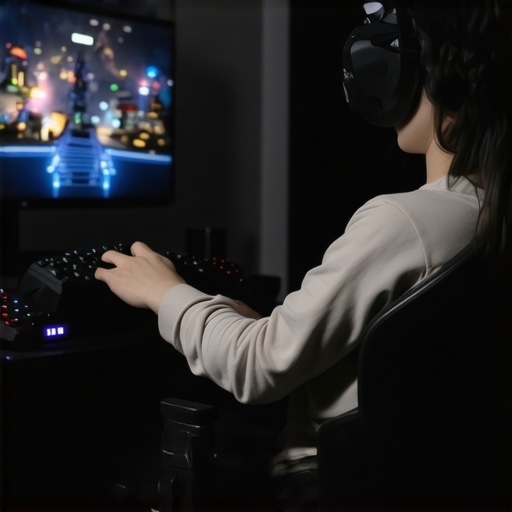
I remember the moment vividly—working late into the night, head tilted forward in that familiar, almost hypnotic trance with my VR headset strapped on. When I finally pulled it off, that terrible ache in my neck hit me like a ton of bricks. It was a lightbulb moment—how could something so immersive and fun come with such a steep physical price? In those years, I realized I wasn’t alone; many gamers and tech enthusiasts face the same nagging discomfort, often dismissing it as a temporary issue. But over time, that little discomfort evolved into persistent pain and stiffness.
That’s when I started digging into the science and practical strategies behind good posture, mobility, and chiropractic adjustments. I’ve learned that the key isn’t just in quick fixes or gimmicks—it’s about targeted, proven methods that can genuinely improve how you sit, stand, and move during your gaming marathons or daily tech use.
Today, I promise to guide you through five of the most effective posture fixes tailored for VR gamers in 2026. These aren’t mere theories—they’re strategies rooted in real-world results and expert insights. If you’ve ever felt your neck and back paying the price after hours of gaming, you’re in the right place. Implementing these won’t just relieve discomfort; they can revolutionize your gaming experience. Ready to break free from the hunch and regain your natural posture?
Why Posture Matters for VR Gamers in 2026
The way we sit and move when immersed in virtual worlds directly impacts our health. Prolonged poor posture can lead to chronic pain, decreased mobility, and even long-term spinal issues. Studies show that posture-related discomfort isn’t just incidental; it’s a widespread problem affecting millions, especially as technology becomes more integrated into daily life. According to Harvard Health Publishing, poor ergonomics and posture are among the leading causes of musculoskeletal pain today. Understanding and addressing these issues isn’t just about comfort—it’s about preventing serious health consequences down the line.
Many early on make the mistake of relying solely on postural reminders or wearable tech without addressing underlying mobility deficits or getting professional adjustments. I did the same, thinking a few quick stretches and some gadget alerts would do the trick. Spoiler alert: it doesn’t. Proper posture is a foundation that requires consistent, targeted effort—something I’ll help you achieve with proven techniques.
Are you tired of waking up stiff or feeling that constant ache after your VR sessions? If yes, keep reading. I’ll walk you through how to transform your posture with simple, effective fixes that work—so you can game longer, pain-free, and with confidence.
Start with Targeted Mobility Drills
Begin by dedicating 10-15 minutes daily to mobility exercises that loosen tight muscles and enhance joint range of motion. I recall struggling with stiff shoulders after long VR sessions, but once I incorporated targeted mobility exercises, my discomfort decreased significantly. Focus on shoulder rollouts, neck stretches, and thoracic spine rotations. Use a mirror or record yourself to ensure proper form, aiming for controlled, smooth movements. Consistency is key; over time, these drills will increase your flexibility and prepare your body for better posture during gaming.
Implement Proper Ergonomic Adjustments
Transition your gaming setup to support natural posture by adjusting your chair, monitor height, and VR equipment placement. Think of your body as a building—if the foundation is uneven, everything above suffers. Use practical chiropractic strategies to identify misalignments and correct them with ergonomic tweaks. Position the VR headset at eye level to prevent neck flexion, and ensure your back is supported with lumbar pillows. Regularly reevaluate your setup, making incremental adjustments to maintain neutrality, much like fine-tuning a musical instrument for optimal sound quality.
Practice Gentle Self-Mobilizations
Self-mobilizations involve slow, controlled movements that gently manipulate joints and soft tissues. I once spent hours trying to fix persistent neck tightness with static stretches, but integrating self-mobilizations like chin tucks and shoulder blade squeezes provided immediate relief. Imagine you’re lubricating door hinges; moving joints through their natural arc reduces stiffness and improves alignment. Use your fingers or a foam roller to target tense areas, avoiding overpressure. This proactive approach helps prevent stagnation and keeps your muscles responsive, supporting upright posture during extended VR play.
Schedule Regular Chiropractic Checks
Seeking professional chiropractic adjustments plays a vital role in maintaining spinal health. I made it a routine to visit my chiropractor every month, especially after intense VR sessions. Think of adjustments as tuning a musical instrument—small tweaks restore harmony. A qualified chiropractor can identify hidden misalignments and correct them with precise techniques that online routines can’t replicate. Pair adjustments with practical chiropractor strategies to maximize benefits. Regular care ensures your spine remains resilient against the cumulative stresses of gaming and tech use.
Incorporate Movement Breaks Throughout Gaming Sessions
Never sit still for extended periods. Set timers to remind yourself every 20-30 minutes to stand, stretch, or walk briefly. During my marathon gaming nights, I’d pause to perform quick dynamic stretches—bending, twisting, and lunging—to reset my posture. Think of your body as a vehicle; continuous operation without maintenance leads to breakdowns. Movement boosts circulation, alleviates stiffness, and reinforces good posture habits. Use simple drills like arm circles, neck tilts, and hip openers—these small actions add up, making a noticeable difference in comfort and posture durability across long gaming spans.
While many believe that stretching alone or regular self-adjustments can effectively solve posture issues, this misconception often leads to overlooked problems. In my experience, a common myth is that mobility exercises or chiropractic tweaks are sufficient without addressing underlying habits or misalignments. The truth is, quick fixes may temporarily mask symptoms but fail to provide long-term relief if you overlook critical nuances. For example, relying solely on mobility drills without understanding the root causes—such as habitual poor ergonomics or subconscious muscular compensations—can result in recurring discomfort. Additionally, many fall into the trap of thinking that a single chiropractic adjustment is a one-time fix; in reality, true progress demands ongoing care and personalized strategies. According to Dr. Mike LoParo, a chiropractor specializing in postural correction, “Alignments are foundational, but without consistent mobility work and habit adjustments, misalignments often reoccur”. It’s essential to combine targeted chiropractic sessions with proactive mobility routines and ergonomic mindfulness. Want to avoid these pitfalls? Explore expert tips on how to integrate adjustments with daily mobility practices for sustainable posture improvements. For instance, incorporating exercises like those outlined in our targeted mobility routines can reinforce spinal health and prevent setbacks, which you can learn about at this link. Remember, the most effective approach involves a comprehensive, personalized plan—not just isolated treatments. Have you ever fallen into this trap? Let me know in the comments.Maintaining optimal posture and mobility over time requires the right equipment and consistent routines. I rely on a combination of high-quality tools that address both the immediate and long-term needs of spinal health. First, a professional-grade foam roller has become indispensable in my daily mobility routine. Unlike basic models, mine features variable-density foam that allows for targeted tissue release, especially around tense areas like the thoracic spine and hips. Incorporating regular foam rolling sessions significantly enhances tissue flexibility and complements chiropractic adjustments. To track progress and stay accountable, I use a smart posture sensor that provides real-time feedback during my work and gaming sessions. However, not all devices are created equal; I prefer the models that integrate seamlessly with my data analytics platform, giving me actionable insights such as posture deviations and movement gaps. For example, *the LinkBetweenMobilityAndPosture* study highlights that consistent use of validated sensors improves postural awareness, leading to lasting corrections. Additionally, ergonomic accessories like adjustable standing desks and lumbar-support chairs are crucial. I recommend adjusting your workspace to match your body’s natural alignment—this includes monitor height, keyboard position, and chair support. To fine-tune these settings, I periodically consult with a professional, like a chiropractor, who can recommend custom adjustments aligning with your personal mobility profile. Looking ahead, technology will likely deliver smarter, AI-driven tools capable of assessing posture in real-time and suggesting personalized corrections automatically. Yet, these will still rely heavily on your active participation and maintenance routines. Curiously, I’ve found that integrating mobility boosts, such as targeted stretches, into my daily schedule yields the most sustainable results. If you’re ready to elevate your maintenance routine, try incorporating a mobility drill like the one described in our [proven mobility exercises](https://quackersneck.com/revolutionize-your-posture-with-targeted-mobility-exercises). Regular use of such tools not only preserves your gains but also increases resilience against future setbacks. Remember, consistency paired with the right tools ensures that your posture and mobility remain resilient—because sustained health is the real goal, not just quick fixes.In my journey unraveling the mysteries of maintaining optimal posture, I’ve discovered that the most profound lessons often come from unexpected setbacks. One such revelation was realizing that quick fixes like temporary stretches or isolated chiropractic adjustments, while tempting, rarely lead to lasting relief. Instead, committing to a holistic approach—integrating deep mobility routines, ergonomic mindful setups, and consistent professional care—has transformed my experience. This layered strategy ensures that each aspect of my body’s health supports the others, creating a resilient foundation that withstands the demands of immersive VR gaming in 2026. Embracing this mindset not only alleviates discomfort but also unlocks a new level of comfort and confidence, turning a necessary routine into a genuine enjoyment.