
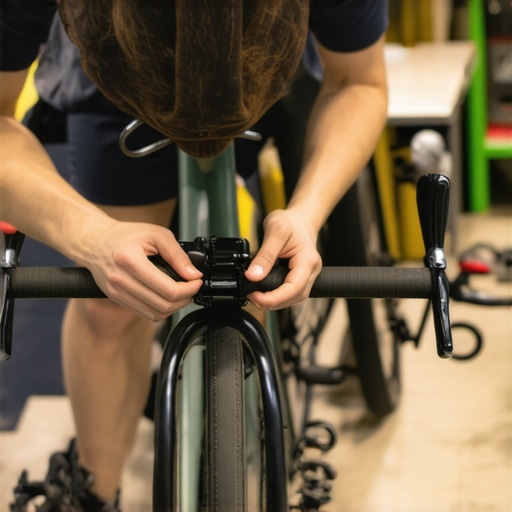
Have you ever been halfway through your ride and suddenly felt a sharp ache in your lower back or a crick in your neck that just wouldn’t quit? I remember the moment I realized my bike setup was silently sabotaging my daily commute. It was a chilly morning, and I was already tense from work stress, but that nagging pain was the last straw. I had assumed that discomfort was just part of bike riding or aging, but a little stubbornness on my part kept me ignoring the signs. Until I discovered it was all about how I was adjusting my bike—or rather, not adjusting it correctly.
Why Is Your Bike Sitting Too Tight or Wrong for You?
When I finally took a step back and did some honest troubleshooting, I found that my seat height, handlebar position, and even pedal alignment were off. This misalignment was forcing my body into unnatural positions, leading to recurring pain and fatigue. And I wasn’t alone—many cyclists unknowingly suffer because their bikes aren’t properly set up, which could cause long-term issues like joint strain or chronic back pain. The good news? Small, intentional adjustments can make a world of difference, turning your bike into a tool for comfort rather than pain.
Is the Fix Too Simple to Be True?
Now, I’d be lying if I said I didn’t initially doubt whether a simple tweak could solve my discomfort. I used to believe that pain was just inevitable after a certain age or long rides. Early on, I made the mistake of neglecting basic setup guidelines, like keeping my saddle too low or handlebars too far forward, which only worsened my aches. Trust me, I learned the hard way: not all adjustments are obvious, and rushing through them can set you back. For a reliable fix, it’s essential to understand your body’s unique needs and how your bike should adapt accordingly. If you’re unsure about how to start, I highly recommend checking out resources like these expert chiropractic techniques that emphasize personalized adjustments for better posture and comfort.
So, if you’ve been battling pain during or after your rides, you’re not alone—and there’s hope. In the next sections, I’ll share practical steps to customize your bike setup for a pain-free experience, backed by my personal journey and professional insights. Ready to reclaim your ride and say goodbye to discomfort? Let’s dive into making your bike work for you, not against you.
Set Your Saddle Correctly
Start by adjusting your saddle to match your body’s height; stand next to your bike and align the saddle with your hip bone level. Sit on it and pedal; your knee should be slightly bent at the bottom of the pedal stroke. I once forgot to raise my saddle after borrowing a friend’s bike, which led to knee pain. Once I lowered it back to my hip level, discomfort vanished, proving the importance of proper saddle height.
Check Your Handlebar Position
Position handlebars so they’re at a height and distance that allows your back to stay straight with elbows slightly bent. Place your hands comfortably on the grips without stretching forward or stretching downward. I recall initially having handlebars too far forward, causing me to lean excessively, which strained my neck. When I pulled them closer, my posture improved, and tension eased.
Adjust Foot Placement and Pedal Alignment
Ensure your cleats or pedals are aligned with your foot’s natural position. Your foot should be centered on the pedal, and the crank arm should point straight ahead when at 3 o’clock. I once used an old pedal that was slightly rotated, causing my knee to twist painfully; realigning it made a significant difference.
Use a Lumbar Roll or Support
For longer rides, add a lumbar support or roll to maintain a natural curve in your lower back. I experimented by placing a small cushion, which made my lumbar region feel supported and less sore after rides. Proper lumbar support helps prevent slouching and reduces strain on your spine.
Incorporate Mobility and Posture Exercises
Complement bike adjustments with daily mobility drills targeting your hips, back, and neck. For example, thoracic mobility exercises can loosen stiff upper spine, minimizing neck and shoulder pain. I dedicate five minutes each morning to mobility routines, which significantly improved my riding comfort over time. These exercises enhance your body’s ability to adapt to bike adjustments and maintain a pain-free posture.
Practice Consistent Checks and Fine-Tuning
Regularly revisit your bike setup, especially after long rides or if you notice new discomfort. Small tweaks like adjusting saddle tilt or handlebar height can prevent chronic issues. I once overlooked my handlebar tilt, leading to wrist discomfort; a minor adjustment resolved it entirely.
Leverage Professional Help
If persistent pain remains, consult a chiropractor or bike fit specialist. They can analyze your posture and make personalized corrections. I reached out to a local expert who recommended specific spinal mobility exercises, which complemented my bike setup and eradicated lingering pain. Learn more about how chiropractic care can enhance your cycling experience.
Make Small Adjustments, Big Difference
Remember, changing one aspect at a time and monitoring its effect helps identify what truly alleviates your discomfort. For guidance on targeted mobility exercises, visit this resource. Consistency and patience are key to transforming your bike setup into a tool for comfort rather than pain.
Many individuals assume that chiropractic care and posture correction are straightforward fixes—simple adjustments that, once made, solve all problems. However, this oversimplification often leads to misconceptions and missed opportunities for deeper healing. One common myth is that every misalignment or poor posture can be corrected with a single adjustment. In reality, the body’s biomechanics are complex, and effective treatment requires understanding the subtle interactions between muscles, nerves, and joints. For instance, a misaligned vertebra might be a symptom of muscular compensation elsewhere, meaning that addressing only the joint without considering surrounding soft tissues might provide only temporary relief.
Another misconception is that mobility exercises are universally beneficial without personalization. While general stretches can improve flexibility, doing them blindly may exacerbate issues if they target the wrong areas or are performed with poor form. For example, some people believe that stretching tight hip flexors alone will fix lower back pain, but without addressing underlying pelvic stability or neurological factors, such improvements are often limited. Proper mobility routines should be tailored to individual needs, which is why consulting with a professional can optimize results.
Beware the trap of relying solely on chiropractic adjustments without integrating movement and strengthening strategies. Adjustments can realign the spine temporarily, but without reinforcing those corrections through targeted exercises, the misalignments often return. Advanced practitioners recommend a holistic approach that combines adjustments with mobility drills and posture awareness, which is supported by research showing better long-term outcomes when multiple modalities are combined.
It’s also vital to recognize that posture and mobility are influenced by habits and environment. Cognitive and ergonomic factors play a significant role in maintaining lasting improvements. For example, prolonged sitting with improper lumbar support can undo even the best chiropractic work over time. Regular habit assessments and ergonomic improvements are crucial steps in sustaining progress.
On a more nuanced note, many overlook the importance of neuroplasticity in posture correction. Our nervous system constantly adapts to habits and stresses, which means that ingrained patterns of poor posture can persist even after physical corrections. Recognizing this, experts advocate for incorporating mindfulness and proprioception training to rewire these patterns effectively.
In summary, the real depth of effective posture and chiropractic care lies in understanding these subtle and interconnected factors. It’s not just about quick fixes but about appreciating the body’s complexity and working in harmony with it. Would you like to explore personalized strategies that go beyond the surface? Check out these advanced chiropractic techniques for more insights. And remember—regular assessments and a comprehensive approach can make all the difference. Have you ever fallen into this trap? Let me know in the comments.
Keeping It Working: Tools and Strategies for Longevity
Once you’ve optimized your posture and adjusted your bike setup, the journey doesn’t end. Maintaining these improvements requires the right tools and consistent practices. I personally rely on specific equipment to reinforce my progress, ensuring that my body remains aligned and functional over time. One invaluable tool is a high-quality foam roller, which I use daily to release tension in my fascia and muscles. Regular rolling not only improves mobility but also serves as a preventative measure against stiffness that can undo months of hard work.
An often overlooked yet powerful addition is a set of resistance bands. I incorporate these into my routine to strengthen deep neck flexors and shoulder stabilizers, supporting better posture during daily activities. Unlike traditional weights, bands allow for controlled, specific movements that target small, often neglected muscles essential for spinal health.
On the digital side, I swear by posture-tracking apps that sync with wearable devices. These apps provide real-time feedback on my sitting and standing habits, prompting me to correct slouching or excessive forward head posture. Over time, this consistent monitoring rewires my neuromuscular patterns, making good posture feel natural even during long workhours.
Looking toward the future, I believe wearable technology combined with AI-driven coaching will become standard for long-term maintenance. Personalized adjustments based on biomechanical data will help tailor exercises and posture corrections more efficiently than ever before.
How do I keep my posture improvements sustainable over time?
Consistency is key. Regular mobility drills, such as those outlined in this resource, keep muscles flexible and joints mobile, preventing setbacks. Additionally, scheduling periodic check-ins with a chiropractor or posture specialist can catch misalignments early, avoiding stubborn aches or chronic issues. For example, a simple monthly self-assessment using a mirror or a posture app can help you stay on top of alignment corrections.
Another tip I recommend is maintaining ergonomic awareness in your daily environment. Adjust your workspace, car seat, and even your bed setup to support sustained health. For instance, using a lumbar roll correctly, as discussed in this guide, consistently maintains spinal curves while working.
Remember, integrating these tools into your routine creates a feedback loop that reinforces good habits. By making minor, consistent adjustments with the right equipment, you’ll forge a resilient foundation that sustains your progress. Take, for example, my successful use of a foam roller combined with daily mobility exercises, which I credit for preventing recurrence of long-standing stiffness. Now, I challenge you to pick one of these tools—perhaps the resistance bands or posture-tracking app—and incorporate it into your daily routine. Small steps lead to big, lasting changes!
For more personalized support or to explore advanced strategies, don’t hesitate to reach out. Maintaining your body’s health is a continuous process, and the right tools make all the difference in ensuring your efforts pay off long-term.
What I Wish I Knew When I Started Listening to My Body
One of the most profound lessons I learned was that small, consistent tweaks to my posture could prevent chronic issues from taking hold. I used to dismiss nagging pains as inevitable — a sign of aging or long rides — but it turned out that ignoring early signs only deepened the problem. Now, I understand that paying closer attention to subtle discomforts and addressing them early is crucial for long-term spinal health.
The Power of Personal Feedback Over Generic Advice
Initially, I blindly followed standard guidelines, adjusting my bike and posture without truly understanding my body’s unique needs. The breakthrough came when I started tracking my comfort levels and pain triggers, realizing that personalized adjustments made all the difference. This taught me that expert guidance tailored to my body’s specifics is far more effective than one-size-fits-all solutions.
Why Rushing Adjustments Can Backfire
I used to believe that big changes led to quick relief. However, I found that incremental modifications and patience yielded far better results. Frustration often came from rushing or making multiple adjustments at once, which obscured what truly helped. This insight underscores the importance of deliberate, one-at-a-time tweaks while monitoring their effects over days or weeks.
My Unexpected Role of Mobility Drills in Long-Term Relief
It wasn’t enough to just set up my bike correctly; I needed to incorporate daily mobility exercises. I discovered that targeted routines, like thoracic rotations and hip openers, reinforced proper posture habits, reduced stiffness, and prevented recurring pain. Integrating mobility drills turned what was a reactive process into a proactive lifestyle.
Expert Help: A Game-Changer in Achieving Comfort
Seeking professional advice revolutionized my understanding. Consulting with a chiropractor who specialized in sports and posture provided insights I couldn’t access alone. Personalized assessments uncovered hidden imbalances, guiding me to specific corrections that transformed my comfort. It reinforced that combining self-care with expert help creates sustainable improvements.
Curated Tools That Made a Difference
Over time, I cultivated a toolkit that included a foam roller for my fascia, resistance bands for strengthening stabilizers, and posture-tracking apps to maintain awareness. These tools empowered me to make continuous adjustments, ensuring that my progress was durable and adaptable. My go-to resource for effective mobility routines is this guide which offers practical drills anyone can incorporate daily.
Embracing Change: Your Path to Lasting Comfort
I want you to know that embracing small, consistent changes can dramatically improve your posture and reduce discomfort. It’s about creating habits that support your body naturally, so pain doesn’t hijack your rides or daily activities. The journey might take time, but every step forward builds resilience and confidence. Don’t hesitate to seek personalized guidance—your body will thank you for it.
Your Turn to Make a Difference
Have you ever underestimated the importance of subtle posture adjustments? What small change made a significant difference in your comfort? Share your insights below — I’d love to hear your story and support your journey toward pain-free riding.
,