

It hit me suddenly one evening — I looked in the mirror and noticed my reflection’s neck was limping forward, like I was trying to hide behind my phone all day without realizing it. That relentless, nagging ache in my upper shoulders was my wake-up call. I knew I had a problem, but the frustrating part? I didn’t entirely know how to fix it. And honestly, I felt a little embarrassed to admit how much mobile gaming had taken over my posture.
Why Poor Posture from Mobile Gaming Is a Wake-Up Call, Not Just an Aesthetic Issue
Over the past few years, I’ve seen countless friends and myself falling into the same trap: hunching over screens, neglecting our spinal health, and paying the price with stiff necks and aching backs. It’s not just about looking good — poor posture affects mobility, nerves, and overall quality of life. Did you know that sticking your head forward by just a couple of inches can increase the load on your neck by up to 60 pounds? Studies highlight how essential proper alignment is for healthy living, especially if you spend hours glued to your devices (source).
For me, the turning point was realizing that my daily habits—like prolonged gaming sessions and bad sitting positions—weren’t just harmless fun. They were slowly rewiring my neck and spine, making me more prone to discomfort and even long-term issues. I had to do something. But what? I started to wonder: can I truly correct a forward-head tilt on my own — or am I doomed to live with it?
Is Fixing Your Posture Just a Fad, or Is It Worth the Effort?
One mistake I made early on was thinking postural correction was just about standing tall or buying gadgets. Turns out, real fixes involve understanding how mobility, muscle balance, and spinal health intertwine. Rushing into exercises without proper guidance only made things worse, so I had to learn to approach this systematically and carefully. I’ll be honest: it’s doable, but it’s not a quick fix. This is where targeted mobility exercises and professional insights make all the difference. Ready to see how I finally turned things around? Keep reading.
Let’s get into the practical steps I took. But before that, I want to address the common doubts — is all this effort worth it? The truth is, your posture impacts not just your appearance but your daily comfort, sleep quality, and even nerve health. So yes, fixing it is absolutely worth your time.
Start with Gentle Mobility Moves
First, incorporate gentle mobility exercises to loosen stiff joints and muscles. Think of your body like a rusty hinge that needs loosening before it can swing freely. I recall a morning I spent just 10 minutes doing shoulder circles and neck tilts, which surprisingly reduced my stiffness throughout the day—this simple move can reintroduce some fluidity into your movements.
Focus on Your Neck and Upper Back
Targeted neck stretches are essential. For instance, gently tilt your head side to side, holding each position for 15 seconds. This reduces tension and prepares your tissues for deeper adjustments. During one session, I noticed my neck gradually felt less tight after just a few days of consistent stretching.
Perform Targeted Self-Adjustments
Self-adjustments can be likened to resetting a misaligned camera lens—helping your spinal joints return to their proper place. One effective move involves lying on your back and gently moving your head from side to side, applying slight pressure with your hands just below your skull. This can help realign your upper cervical spine naturally. Remember, never force movements—listen to your body, and if uncertain, consult professional guidance.
Use Proper Equipment for Support
If your workspace or gaming setup encourages poor posture, upgrading your chair, monitor stand, or pillow can make a huge difference. For example, elevating your monitor to eye level prevents forward head posture. I upgraded my desk setup and immediately noticed a reduction in neck strain—think of these tools as braces for your posture journey.
Implement Daily Habits That Reinforce Good Posture
Small, consistent habits do wonders. Practice standing against a wall to check your alignment—your heels, buttocks, shoulders, and head should touch the wall naturally. During my own practice, I found that just a few brief checks per day helped me develop better awareness, leading to sustained improvements over weeks.
Integrate Micro-Adjustments During the Day
Set reminders to reset your posture—like mini tune-ups. For instance, every 30 minutes, take a moment to straighten your shoulders, tuck your chin, and breathe deeply. This routine can be compared to regularly tuning a guitar—small adjustments keep everything in harmony. Over time, these habits became second nature, drastically reducing my discomfort.
Seek Professional Help When Necessary
If pain persists or your corrections don’t feel right, consult a chiropractor. Think of a professional adjustment as a precise calibration—much like updating software—ensuring your body is aligned correctly and safely. I personally visited a chiropractor after a month of self-correction; the expert’s insight helped identify minor misalignments I couldn’t detect myself, accelerating my progress (Learn more about chiropractic adjustments here).
Maintain Consistency and Patience
Remember, correcting posture isn’t an overnight fix—think of it like planting a tree. Regular care and patience will yield long-term results. I kept up these steps daily, and after a few weeks, my neck felt noticeably less strained, and my overall posture improved significantly.
By integrating these concrete steps into your routine, you’re actively reshaping your body’s habits—moving from reactive pain management to proactive posture mastery. Each micro-movement and habit brings you closer to a pain-free, aligned neck and spine.
Many people believe that quick fixes like popping their backs or simply buying posture gadgets are all it takes to correct long-term issues — but this is a dangerous oversimplification. In my experience, one of the most overlooked nuances is that chiropractic care isn’t a one-size-fits-all solution; it requires understanding subtle spinal misalignments and the body’s mobility patterns that often go unnoticed. Relying solely on adjustments without addressing underlying mobility deficits can lead to what I call the “illusion of correction,” where the spine appears aligned but underlying muscular imbalances persist, risking future relapse. It’s akin to changing the tires on a car but ignoring the warped axles — the problem simply shifts, not resolves. Many think adjustments are just about realigning bones, but they are most effective when paired with targeted mobility exercises, especially for stubborn postural issues. Professional insights, like those shared in [this guide](https://quackersneck.com/how-chiropractic-adjustments-enhance-posture-and-mobility), emphasize that the true effectiveness lies in a holistic approach. A common trap is neglecting mobility and muscle strength, which are critical for maintaining alignment. Without addressing these, the spine can revert to poor posture over time, nullifying the benefits of chiropractic interventions. Moreover, some assume that once corrected, posture problems are permanently fixed; however, habits and daily routines constantly influence spinal health. Consistent micro-adjustments and smart ergonomic choices are key to sustaining improvements. Interestingly, a frequent myth is that chiropractic adjustments can be harmful or overused. But, in reality, when performed by trained professionals, adjustments are a safe, proven method to facilitate mobility, reduce nerve pressure, and support muscular balance—[see expert opinions](https://quackersneck.com/the-link-between-mobility-and-posture-a-chiropractors-guide). For advanced readers, it’s worth noting that recent studies, such as those in the Journal of Manipulative and Physiological Therapeutics, highlight that adjustments influence mechanoreceptor activity, which can reset neuromuscular control — a sophisticated process often overlooked by beginners. So, to truly benefit from chiropractic work, you must understand that it’s about synergy: adjustments create space and reset your nervous system, but its long-term success depends on mobility training and ergonomic habits. Remember, the goal isn’t temporary correction but sustainable posture health. Have you ever fallen into this trap? Let me know in the comments. For a deeper dive into how mobility supports spinal health, check out [this comprehensive guide](https://quackersneck.com/revolutionize-your-posture-with-targeted-mobility-exercises). Maintaining a mindset that blends professional adjustments with proactive daily habits is your best strategy for long-lasting results.
Maintaining the gains from your posture correction journey requires more than just occasional stretches or adjustments; it calls for reliable tools and a disciplined routine. Over the years, I’ve refined a set of equipment and habits that keep my spine aligned and mobility optimal, even amid a busy schedule. One cornerstone is investing in a high-quality ergonomic chair that not only supports proper lumbar curvature but also encourages active sitting with adjustable features. I personally use a chair with adjustable armrests and a lumbar support pillow, which helps me maintain good posture during extended work sessions. Its flexibility allows me to customize support based on daily needs, preventing the slumping that often leads to setbacks.
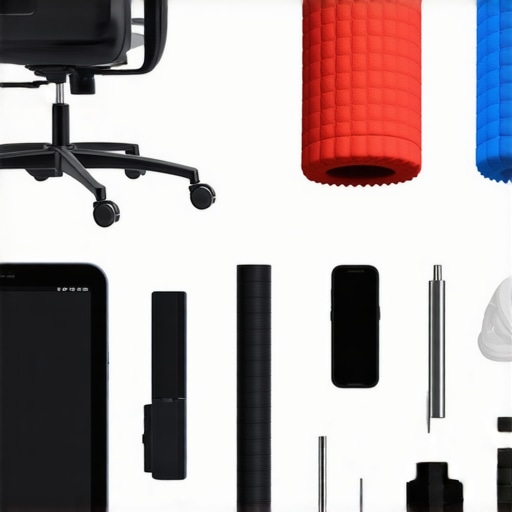
Supplementing a supportive chair with a sit-stand desk converter has transformed my work habits. It shifts my position frequently—standing, sitting, or leaning—which is crucial because static postures contribute to muscular imbalances. When I find myself slipping into poor habits, I utilize a foam roller specifically designed for upper back knots. This tool helps me release tension and restore mobility after hours of desk work. The key is consistency—using the foam roller every evening for 5-10 minutes ensures my tissues stay supple, reducing the risk of stiffness that undermines progress.
For mobility, I rely on targeted stretching apps and guided videos that focus on proactive mobility exercises. These programs include dynamic shoulder and neck stretches tailored for tech users like us, ensuring I keep my joints lubricated and muscles balanced. A notable recommendation is the mobility routines outlined in this guide, which I integrate into my daily schedule to reinforce proper alignment.
Now, looking ahead, I believe the trend will lean toward smart, biofeedback-enabled devices that monitor posture throughout the day and prompt micro-adjustments. Technologies like posture-correcting wearables and connected ergonomic equipment will become mainstream, enabling real-time correction and long-term habit formation.
How do I keep my posture healthy as time goes on?
One method that’s proven effective for me is scheduling weekly check-ins with a chiropractor, as professional adjustments fine-tune alignment that self-care might miss. Pairing these visits with daily mobility exercises creates a synergistic effect—adding a layer of safety and precision to your routine. To sustain progress, I also prioritize ergonomic setup reviews, ensuring my workspace still fosters optimal posture. Regularly updating and adjusting these tools prevents complacency, keeping the corrections ingrained and functional over the long haul.
Incorporating these specific, targeted tools and habits has made a tangible difference in my mobility and comfort. I recommend trying a dedicated foam roller combined with ergonomic work accessories to experience immediate improvements. Remember, long-term success hinges on consistency and the willingness to adapt your environment and routines as your body changes. For a comprehensive understanding of integrating mobility with chiropractic care, explore this authoritative resource.
Three Surprising Truths I Discovered About Proper Posture
One of the most unexpected lessons was realizing that correcting my posture wasn’t just about physical adjustments but also about rewiring my mindset. I used to think a quick fix or gadget could solve everything, but I learned that sustainable change demands patience and self-awareness, especially during moments when I felt tempted to revert to old habits.
Another lightbulb moment was understanding the importance of integrating mobility exercises into daily routines—not just for relief but to prevent discomfort before it starts. This proactive approach meant prioritizing consistency over intensity, which kept me motivated long-term.
Lastly, I uncovered that professional guidance isn’t a sign of weakness but a strategic move. A skilled chiropractor helped me identify subtle misalignments that I couldn’t detect myself, accelerating my progress and reinforcing the significance of expert insights. To dive deeper into this holistic approach, check out this resource.
My Go-To Tools for Maintaining Top Posture
I trust ergonomic chairs like the one with adjustable lumbar support I use daily. They provide consistent support and make maintaining good posture more manageable during long work hours. Additionally, a sit-stand desk converter allows me to shift positions, alleviating strain and promoting mobility.
For muscle release and tension relief, I swear by a quality foam roller tailored for upper back knots. Regular use keeps my tissues flexible, preventing stiffness that can undo months of progress. Plus, guided mobility routines from this guide have become an essential part of my weekly maintenance.
Your Next Step Toward Lasting Posture Benefits
The journey to better posture isn’t a quick fix but a continuous process. Embrace small daily habits, seek professional advice when needed, and stay curious about your body’s signals. Remember, your spinal health influences every part of your life—from sleep quality to mental clarity. So, take action today, and experience the transformation firsthand.