
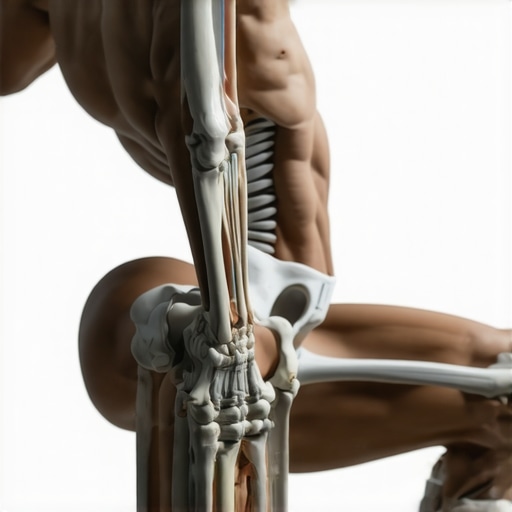
I remember the exact moment I decided to tackle my persistent hip pinch during squats. It was a tough morning—my hips felt tight, and that familiar, uncomfortable pinch settled right where my thigh meets my pelvis. I was mid-rep, already feeling the strain, when it hit me: enough is enough. If I kept brushing it off, it would only worsen, potentially leading to longer-term injury. That lightbulb moment pushed me to dig deeper, explore solutions, and finally understand what was really going on.
Why That Hip Pinch Can Sabotage Your Workout and Daily Life
That little, stubborn pinch isn’t just an annoyance. It signals a mobility issue that can affect your entire movement pattern. When your hips don’t move freely, your body compensates—putting extra stress on your knees, back, and even your shoulders. Over time, this imbalance can lead to pain, reduced strength, and a discouraging plateau in your fitness journey.
If you’ve ever experienced that sudden, sharp sensation during a squat, you’re not alone. Many folks dismiss it as normal or simply a ‘tight muscle,’ but what’s really happening is often a restriction in your hip joint or surrounding tissues.
Early in my journey, I made a key mistake: I ignored the root cause, trying only to push through the discomfort instead of addressing it properly. That approach only made things worse, creating built-up tension and reinforcing bad habits. It wasn’t until I started focusing on mobility and proper alignment that I saw real progress. For firsthand advice, check out this [chiropractic guide to mobility and posture](https://quackersneck.com/the-link-between-mobility-and-posture-a-chiropractors-guide), which opened my eyes to how interconnected everything truly is.
The good news? You can fix this issue. Typically, it involves understanding your body’s biomechanics, correcting misalignments, and incorporating targeted mobility exercises. But more importantly, you need a strategy rooted in knowledge and patience.
So, are you tired of that uncomfortable pinch during your squats? Do you dread feeling that tightness as you bend and move? If yes, then stay with me. I’ll walk you through practical, proven steps to eliminate that hip pinch once and for all. Ready to reclaim your mobility and lift with confidence? Let’s dive in.
Targeted Hip Mobilization Exercises
Start by gently foam rolling your hip area using a lacrosse ball or foam roller. Place it on tight spots near your inner thigh or glutes and apply moderate pressure, holding for 30 seconds to release muscle tension. Next, perform hip circles—stand on one leg and slowly rotate your leg in a controlled circle. This mimics the natural movement of your hip joint and lubricates the cartilage. I tried this after a long day at work; initially, it was messy, with some discomfort, but after a few sessions, the pinch reduced significantly.
Strengthen Supporting Muscles
Focus on strengthening your glutes and core. Incorporate bridges—lie on your back with knees bent, feet flat, then lift your hips upward until your body forms a straight line. Squeeze your glutes at the top and slowly lower down. Add clamshells by lying on your side with knees bent, opening and closing your legs like a clam shell. Remember, weak supporting muscles can cause joint instability, worsening the pinch. I personally found that improving my glute strength alleviated the tightness during squats.
Improve Dynamic Flexibility
Dynamic stretches involve movement, activating your muscles and joints more effectively. Walk lunges with a torso twist stretch your hip flexors and increase blood flow. To do this, step forward into a lunge, twist your torso toward your front leg, then switch sides. This routine mimicked what I did before my morning workout, helping me maintain better hip mobility throughout the day.
Fix Poor Posture Habits Throughout the Day
Pay attention to sitting and standing posture. Sitting slouched causes the hip flexors to tighten, pulling your pelvis out of alignment. Use ergonomic chairs that support the natural curve of your spine. Maintain a 90-degree angle at your hips and knees when seated, and avoid crossing your legs, which skews your pelvis. During my desk job, I set reminders to correct my posture, which gradually improved my hip comfort.
Seek Professional Chiropractic Adjustments
A skilled chiropractor can assess and correct joint misalignments contributing to the pinch. Regular adjustments restore proper hip joint motion, reducing strain and discomfort. For deeper insights, check out this guide on mobility and posture. I visited a chiropractor and experienced immediate relief after the first session, which encouraged me to stay consistent with mobility exercises.
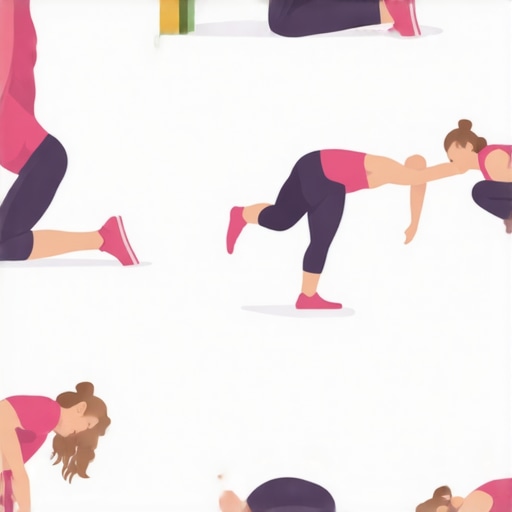
Illustration of hip mobility exercises showing proper form and technique for foam rolling, bridges, and lunges.
Many people believe that chiropractic adjustments are a quick fix, capable of resolving all their posture and mobility issues instantly. While manual therapy can be highly effective, overestimating its role neglects the nuanced interplay between soft tissue health, daily habits, and neuromuscular patterns. In my experience, a common myth is that adjustments alone can fix long-standing postural imbalances; however, without integrating targeted mobility exercises and ergonomic changes, the benefits are often temporary. This misconception can lead to dependency on frequent adjustments, delaying true progress. Moreover, some assume that adjustments are uncomfortable or even risky, but when performed by a skilled practitioner, they are generally safe and comfortable. The real nuance lies in understanding that adjustments are part of a comprehensive approach that includes daily movement habits, strength training, and posture awareness. For example, neglecting to address tight hip flexors or weak core muscles can render adjustments less effective over time. It’s also pivotal to recognize that posture correction isn’t just about cracking bones—it’s about re-educating your nervous system for sustainable change. External research supports this approach: a study published in the Journal of Electromyography and Kinesiology found that combining chiropractic care with mobility exercises produces significantly better long-term outcomes than adjustments alone. Understanding the connection between mobility and posture is essential for ongoing success. Keep in mind, the real challenge is maintaining these improvements amid daily stressors and habitual sitting routines. The key isn’t just one-time treatments but embedding mindful movement patterns into your lifestyle. So, next time you schedule a chiropractic session, ask yourself: am I also working on my mobility and habits? Take ownership of your journey, and remember: true progress combines expert care with active participation. Have you ever fallen into this trap? Let me know in the comments.Maintaining the improvements in your mobility and posture requires not just consistent effort but also the right tools and methods that support your journey. Over the years, I’ve integrated specific equipment and techniques that have proven effective in my personal practice. One such tool is the foam roller, which I use daily to release muscle tension in my hips and back. Unlike basic foam rollers, I prefer a gridskin model that offers targeted fascia release, helping me avoid tightness that can cause the infamous hip pinch during squats. Additionally, I rely heavily on mobility bands like the TheraBand for controlled stretching and strengthening routines that complement my chiropractic sessions, which I schedule regularly to correct subtle misalignments and reinforce my progress.
How do I keep my mobility routines effective long-term?
Adopting software and apps like MobilityWOD has been a game-changer, providing structured routines tailored for my specific needs. These platforms keep my training fresh, track my improvements, and help me adjust intensity and focus areas over time. Predicting future trends, I believe integrating AI-driven assessments will revolutionize personalized mobility plans, making real-time adjustments based on my daily habits and feedback.
To truly sustain progress, I also emphasize ergonomic modifications to my workspace, such as adjustable desks and monitor stands, which align with recommendations from top experts like those found in this chiropractor’s guide. Combining hardware tools with digital management ensures that I stay aligned physically and mentally, avoiding regressions. Remember, consistency is key, but smart, targeted tools make maintaining your gains much more manageable and effective. Try incorporating a mobility band into your daily routine for a week and notice how much easier it becomes to keep your hips and shoulders flexible. For comprehensive long-term strategies, consult with your chiropractor or physiotherapist—structured guidance turns good habits into lasting change.
The Hardest Lessons About Mobility and Posture I Had to Face
One of the most eye-opening realizations was that quick fixes don’t lead to lasting change. I used to rely solely on adjustments, thinking that they would instantly erase years of poor habits, but I was mistaken.True progress demands consistent effort and understanding that real mobility comes from a mix of manual therapy, targeted exercises, and lifestyle tweaks. I learned that ignoring the root causes—like tight hip flexors or weak supporting muscles—only marginalizes the problem, often making it worse over time.
Tools That Accelerated My Recovery and Why I Trust Them
My go-to resources include a high-quality foam roller, which helps alleviate fascia restrictions, and mobility bands for controlled stretching. These tools, coupled with expert guidance from my chiropractor, created a synergistic effect. I trust these because they offer tangible, measurable progress, turning theoretical advice into real-world results. If you’re serious about overcoming your hip pinch, integrating reliable tools into your routine can make all the difference.
The Emotional Power of Taking Control of Your Mobility Journey
Deciding to prioritize my mobility was transformative—not just physically, but mentally. It taught me that consistency, patience, and self-awareness are vital. Each small victory, like improved squat depth or reduced discomfort, fueled my commitment. Remember, true change is a journey, not a sprint. Embrace the process, celebrate your progress, and envision a future where you move without pain or restriction. Your mobility is a reflection of your care for your body—start nurturing it today. Are you ready to take that first step toward a pain-free, confident movement pattern? Your future self will thank you.