
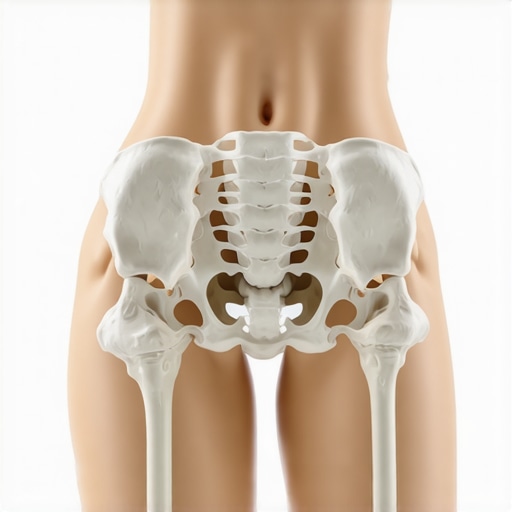
I remember the day I nearly gave up on running entirely. Every step felt like twisting a dull knife in my knee. It was a slow, frustrating process—trying stretches, icing, and endless rest—all to no real change. Then, as if a lightbulb flicked on, I realized that my hip alignment might be the hidden culprit behind my persistent knee pain. That realization was a game-changer.
Why Your Hip Position Might Be Sabotaging Your Knees
Let me ask you—have you ever experienced knee pain that just won’t budge, no matter how much you ice, stretch, or rest? It’s incredibly frustrating. Problem is, we often focus solely on the knee itself, ignoring how our hips influence overall leg function. When your hips are misaligned or restricted, it puts extra stress on your knees during everyday activities like walking, running, or even standing still. Think of your hips as the foundation of a building—if that foundation is off kilter, everything above it struggles.
In my early days, I made the mistake of only treating the pain spot, ignoring the bigger picture. That mistake cost me months of unnecessary discomfort. Scientific studies confirm that correcting hip mobility and alignment can significantly impact knee health, reducing pain and preventing further injury (source).
Is Fixing Your Hips Just Another Fad?
Honestly, I was skeptical at first. The idea that adjusting my hips could relieve knee pain sounded too simple, even a little far-fetched. That skepticism was paired with a fear—what if I’d wasted months on bogus tricks? I want to assure you, I made that mistake early on—trusting quick fixes over genuine solutions. It’s tempting to roll your eyes at the idea of a hip adjustment, but the truth is, a good chiropractor understands how interconnected our joints are. When done correctly, these adjustments can bring huge relief.
So, if you’re tired of Band-Aid solutions and want a real, lasting fix, stay tuned. We’re about to uncover the practical steps to realign those hips and set your knees free from pain. Have you experienced stubborn knee discomfort that refuses to go away? If so, you’re not alone—and what I’ve learned might surprise you.
Ready to discover how tuning your hips can transform your knee health? Let’s get started.
Assess Your Hip Mobility and Position
Start by gauging your current hip function. Lie on your back, bend one knee, and gently try to bring that knee toward your chest without forcing. If there’s resistance or discomfort, it signals restricted mobility. A specific story from my own experience involved me noticing my hips felt stiff during this test, which prompted me to seek targeted adjustments.
Incorporate Targeted Mobility Exercises
Engage in exercises designed to loosen tight hip muscles. For example, the ‘Hip Fire Hydrant’ move—on all fours, lift your leg to the side like a dog peeing—activates the muscles you want to unlock. I personally added this to my routine daily, and after two weeks, felt a noticeable increase in hip flexibility, reducing knee strain during running.
Learn Self-Adjustment Techniques Safely
Use foam rollers and gentle stretches to relax overactive muscles. Place a foam roller under your hip muscles and gently roll to release tension. Be cautious—self-adjustments should complement professional care. I tried this after watching instructional videos and found releasing my臀部’s tight spots provided immediate relief, but I always followed up with a chiropractor for proper alignment.
Schedule Professional Chiropractic Adjustments
Visit a qualified chiropractor to perform precise hip adjustments. Think of this like fine-tuning a musical instrument—small tweaks can restore harmony. During my own sessions, the chiropractor targeted specific pelvic and hip joints, which immediately improved my gait and alleviated knee pain.
Confirm Proper Alignment with Reassessment
After adjustments, reevaluate your hip mobility to gauge progress. The same test from earlier can be repeated. If movement improves and pain diminishes, you’re on the right track. I noticed better hip rotation after my adjustments, which also reduced stress on my knees during activity.
Maintain Mobility with Daily Habits
Consistency is key. Incorporate simple habits like standing up and stretching every hour, or doing mobility drills from targeted mobility exercises. Over time, these habits reinforce your gains and keep your hips aligned. I now dedicate five minutes daily to hip stretches, which has made a lasting difference in my joint health.
Monitor and Adjust Your Routine
Stay attentive to your body’s responses. Any increase in discomfort signals a need to revisit your techniques or consult a professional. Remember, realigning hips isn’t a one-time fix—it’s an ongoing process. Regular reassessment ensures you stay symptom-free and continue to support your knee health effectively.
 Many individuals assume that mobility exercises and chiropractic adjustments work as quick fix solutions, but the reality is far more nuanced. A common misconception is that you can simply perform a few stretches or get a quick adjustment and be set for life. In truth, understanding the intricacies of joint health and tissue healing reveals that progress requires patience, consistency, and a tailored approach. For example, superficial stretching can sometimes exacerbate issues if it leads to overstretching already weakened tissues. Likewise, some believe that cracking their neck or back is harmless—that it’s just a normal part of maintaining flexibility. However, frequent self-manipulation without proper training can damage ligaments or lead to joint instability, contradicting the goal of sustainable health.
One critical nuance often overlooked is the importance of neuromuscular re-education. Adjustments and mobility routines only restore proper alignment and function if the nervous system is also retrained to maintain healthy movement patterns. Expert studies suggest that combined approaches—including targeted exercises, proper breathing techniques, and professional chiropractic care—yield superior long-term results (source).
Beware of the trap of oversimplification. It’s tempting to think that adjusting your posture or cracking your joints will always fix deeper issues, but without addressing underlying muscular imbalances and lifestyle habits, these interventions remain superficial. An ongoing maintenance plan that incorporates mobility drills, professional adjustments, and ergonomic awareness is essential for lasting improvement. Have you ever fallen into this trap? Let me know in the comments and share your experiences.Maintaining optimal mobility and posture over the long term requires more than just occasional stretches or adjustments; it demands a strategic approach with the right tools and routines. Personally, I rely on a combination of specialized equipment and disciplined habits to ensure my progress isn’t lost and that I continue to scale my results effectively. In this article, I’ll share the tools I recommend and how you can incorporate them into your ongoing maintenance plan.
How do I keep my improvements working seamlessly over time?
First, investing in quality mobility aids like a foam roller or a massage ball is crucial. I personally prefer a dense foam roller that allows me to target my iliotibial band, hips, and lower back with precision. Regular self-myofascial release using these tools helps prevent tissue adhesions and keeps muscles pliable, which is central to maintaining good posture. For instance, I use a TriggerPoint GRID foam roller daily, applying gentle pressure on tight spots to facilitate blood flow and tissue recovery.
Beyond physical tools, tracking your progress with apps designed for mobility and posture can be transformative. I utilize a program like the targeted mobility exercises app, which offers guided routines tailored to my specific needs. These digital tools help me stay consistent, reinforce good habits, and identify areas that need extra focus.
Another aspect often overlooked is maintaining professional support. Scheduling periodic chiropractic adjustments is essential to keep joints properly aligned as tissues adapt and change. I recommend working with practitioners who use the latest technique updates, like those outlined in advanced chiropractic techniques. These sessions serve as resets, preventing minor misalignments from developing into chronic issues, and they enhance the effectiveness of your home routines.
Furthermore, developing daily habits such as mindful sitting, ergonomic awareness, and brief mobility stretches can make a huge difference. For example, I set a timer to remind myself to stand and stretch every hour, which not only relieves accumulated stiffness but also reinforces muscle memory for good posture.
Looking ahead, the future of long-term maintenance lies in integrating biofeedback technology and AI-driven assessments. These innovations will allow us to monitor neural and muscular responses in real-time, providing personalized adjustments to your routine. According to recent research, leveraging such tools can improve compliance and accelerate results (source).
To get started, I encourage you to select one tool—like a high-quality foam roller—and commit to using it daily for just five minutes. This small step can dramatically improve your tissue health and, ultimately, your posture. Remember, consistency is key, and combining tools with professional guidance creates a sustainable foundation for lifelong mobility and well-being. If you’re ready to refine your approach further, consider consulting with a specialist by reaching out here.”>
Throughout my journey with mobility and posture, I stumbled upon a profound truth: lasting relief comes from understanding the intricate dance between our joints. One of the most eye-opening lessons was realizing that superficial fixes, like quick stretches or temporary adjustments, often fail because they overlook the root cause—our body’s interconnectedness. Instead, embracing a comprehensive approach—addressing hip alignment, neuromuscular re-education, and consistent maintenance—represents the breakthrough I’ve experienced. This holistic mindset transforms pain management from a fleeting Band-Aid to a sustainable lifestyle adjustment, empowering you to reclaim your movement and vitality for years to come.